
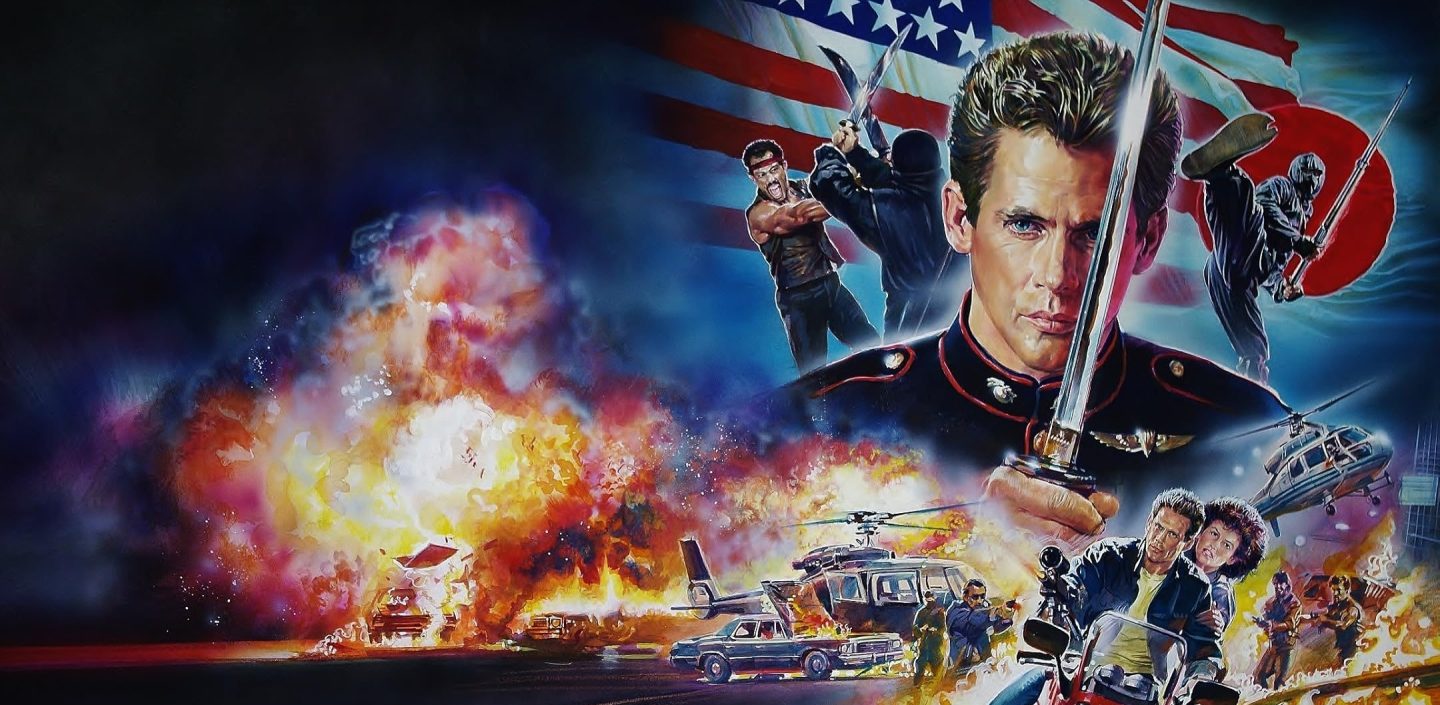
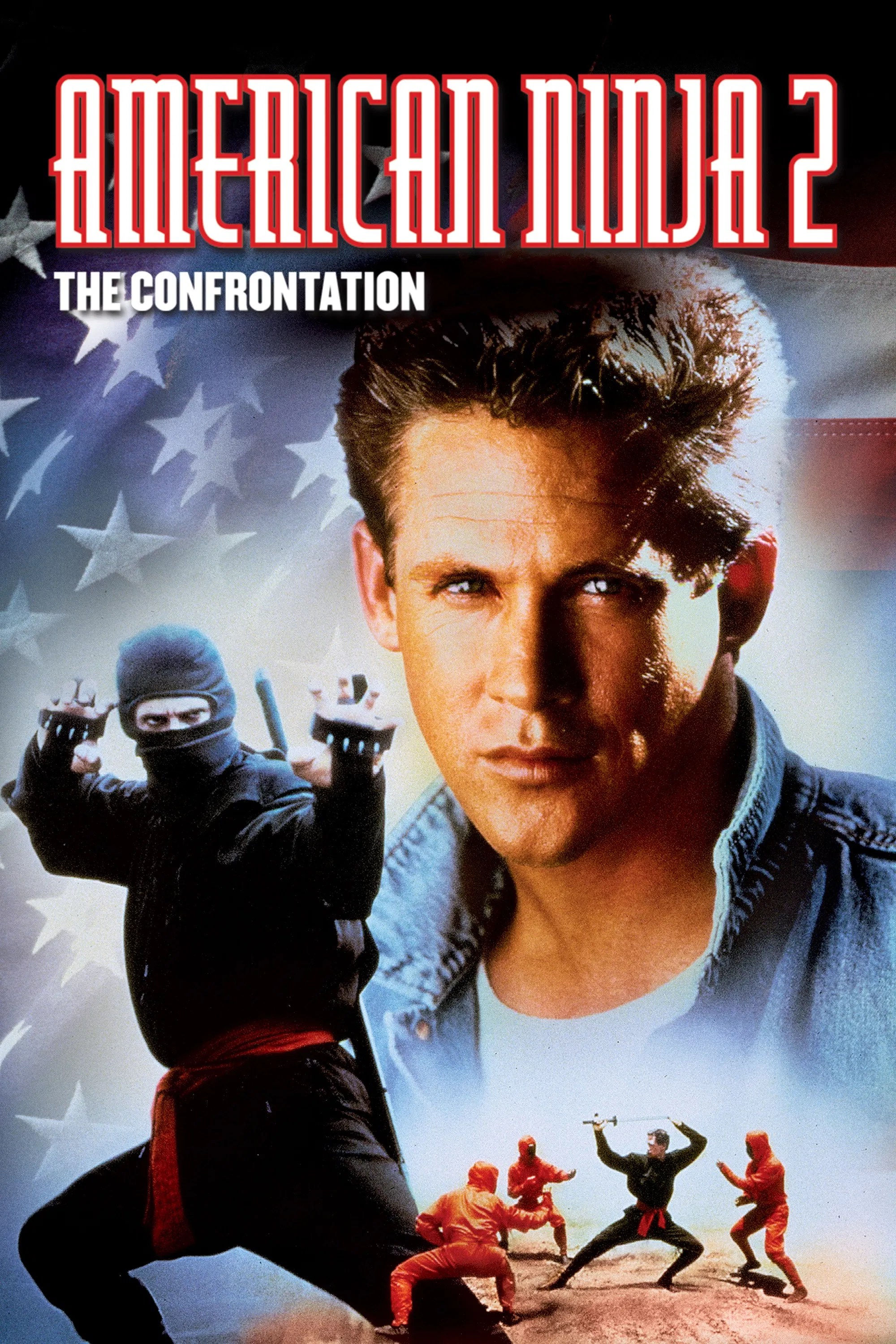
Director: Sam Firstenberg
18 | 1h 30 min | Action, Martial Arts
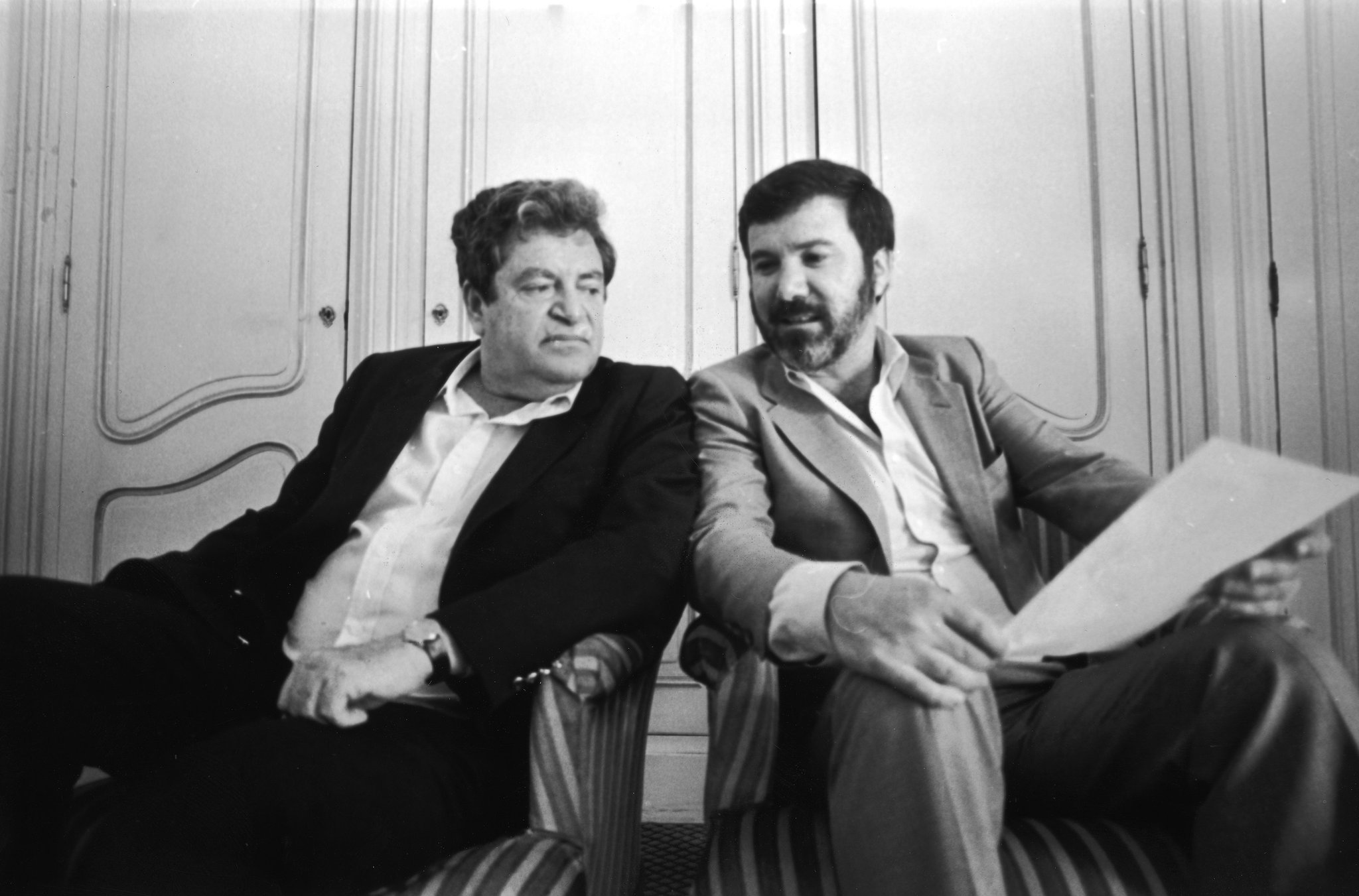
Here’s something that may or may not surprise you: I love Cannon Films. I love everything about them. I mean Cannon Films after Israeli cousins Menahem Golan and Yoram Globus, known fondly as Golan-Globus, purchased the company from former soft porn importers Dennis Friedland and Chris Dewey in 1979, thanks to a change in film production tax laws and the threat of insolvency. The two would transform the company into an unlikely B-movie hit machine. Their audaciously cheapskate blueprint of buying bottom rung scripts and rushing them into production would quickly pay dividends, the pair even managing to recruit action superstar Sylvester Stallone for a mega money two-film deal by 1985.
MTV-styled vigilante flick Cobra would prove Cannon’s biggest hit with an impressive box office of $160,000,000 on a budget of $25,000,000, most of which you’d imagine went to Stallone, because it’s difficult to see where else that money went in a movie that reeks of bargain basement. A year later, Sly was tempted back into the fold with another truckload of cash. Again, he must have pocketed the lion’s share, because Over the Top‘s whacky, arm wrestling based buddy movie looked even cheaper, leaching off everything from The Karate Kid to pro wrestling. Perhaps unsurprisingly, arm wrestling truckers was a concept that bombed hard, Over the Top managing a $9,000,000 loss. A $9,000,000 loss on a movie headed by a prime Sylvester Stallone! He was out of there in a flash, and I don’t blame him.
True to their bigger is better nature and ceaseless, some would say naïve levels of ambition, Golan-Globus would crash and burn as a truly mainstream Hollywood player before the decade was up. The first nail in the coffin was their attempt at taking on the Superman franchise, the notorious Superman IV: The Quest for Peace (1987) so bad that it managed to put the franchise on the shelf for more than a quarter of a century. For a property of that size, with that reputation and an already established, worldwide fanbase, that’s some going, even by their standards, and worse was to come. Golan-Globus had just as much stock in their Dolph Lundgren led adaptation of the popular cartoon series He-Man and the Masters of the Universe, another established brand that had massive sway with young cinemagoers, Cannon even touting their upcoming release as the ‘Star Wars of the 80s’.
If Cannon had stuck to the He-Man cartoon blueprint rather than blowing a shit load of cash on trying to look like arguably the most popular sci-fi movie in history, the abbreviated Masters of the Universe may have forged a money-spinning franchise of its own, but instead it looked like a cheap imitation of something else. And cheap is the key word here. Both of these movies, which should have been nothing less than massive, were merely B-movie pap masquerading as big-budget spectacular. He-Man and the Masters of the Universe was originally created as a glorified advert for a hugely popular toy range. Golan-Globus were similarly shameless in their intentions, without the massive mainstream success of course.
Golan-Globus may have lacked the industry savvy to truly propel themselves to the upper echelons of Hollywood, but their loss was our gain. Their version of Cannon Films was always more comfortable in the realms of B-grade hokum, resulting in a rich and varied catalogue of stilted, completely out-there movies that would fund their phenomenal output as they searched for a truly mainstream smash. Movies like Ninja III: The Domination tapped into modern cultural fads with a shameless aggression that resulted in some of the most iconic trash cinema in existence.
Breakdancing phenomenon exploiter Breakin’ (1984) is a prime example of Cannon’s mindblowing approach to production and distribution, Golan-Globus often marketing a film before a script had even been contemplated. The vastly inferior Breakin’ would rip-off the far more authentic Beat Street, released that same year. Not only would it rip it off, it would somehow beat it into theatres, releasing an ad for sequel, Breakin’ 2: Electric Boogaloo before Beat Street had even been released, practically making it obsolete. Breakin’ made $38,700,000 on a budget of only $1,200,000 – staggering returns for a rushed movie with very little to say about what at the time was an arthouse subject matter. I fell in love with Cannon movies as a kid in a way that was much less ironic, but undercooked scripts, mindboggling levels of dissonance and the shameless exploitation of anything and everything made me fall in love with Cannon Films all over again as an adult.
My gateway drug into the whacky world of Cannon Films was 1985’s American Ninja. Though producing three Oscar nominated films, along with an eclectic array of genre rip-offs, Golan-Globus made their name after purchasing the rights to the Death Wish series and cranking up the exploitation courtesy of a struggling Michael Winner, courting all kinds of commercial controversy with the take no prisoners Death Wish II, but after toying with the hugely popular, low-cost slasher formula, which didn’t go exactly as planned, their real niche arrived in the form of the martial arts genre. Recruiting multi-disciplined, Japanese martial artist Sho Kosugi, Cannon would kick-start the ninja craze of the early 1980s with movies such as Enter the Ninja and Return of the Ninja, but their ultimate goal was to Americanise the genre, and with the aptly titled American Ninja they would do so with typically shameless transparency. All they needed was a star to adorn the marquee.
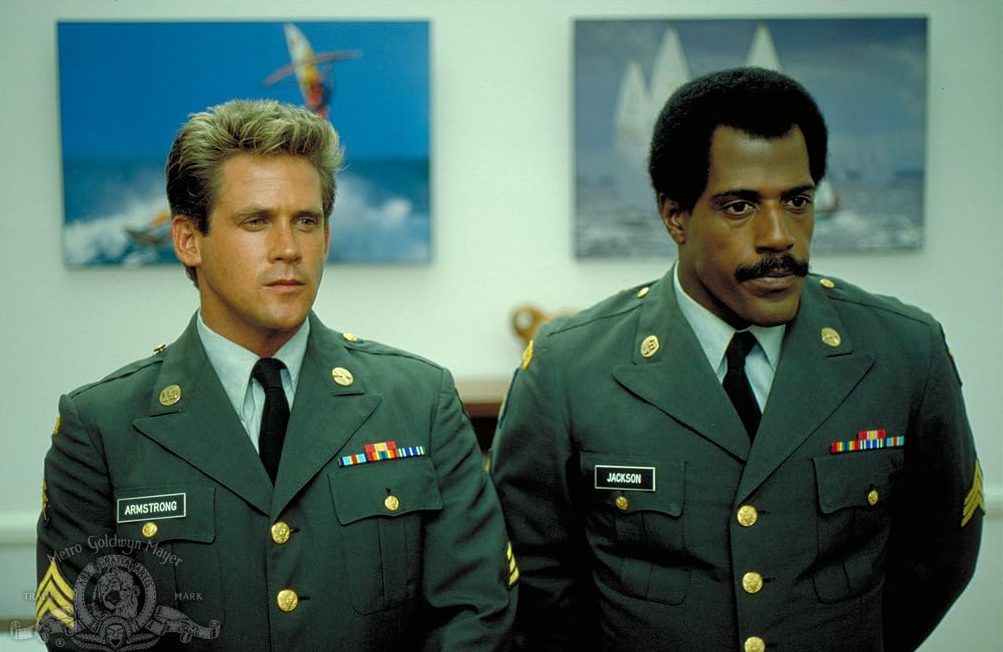
American martial arts legend Chuck Norris, who had already starred in Joseph Zito’s Vietnam action movie Missing In Action (1984), was the obvious choice, the actor even appearing on an early sales ad for American Ninja, but at 44 years of age he was in the process of winding down physically. He also didn’t see the sense of covering his face in ninja garb in a business that relied so heavily on star recognition. Instead, Cannon recruited former model-turned actor, Michael Dudikoff, a martial arts rookie who was pretty and athletic enough to fit the bill, later earning black belts in both Brazilian Jiu-Jitsu and Judo. With his icy glare and boyish good looks, he was the perfect fit for Cannon’s proposed Americanisation of the genre, the kind of face they could build a franchise on. In an era of buddy cop dominance, he also needed a partner, and Dudikoff could not have wished for more than Steve James, a hulking African American with a million dollar smile whose brash, likable energy provided the perfect counterpoint to his co-star’s effortless cool.
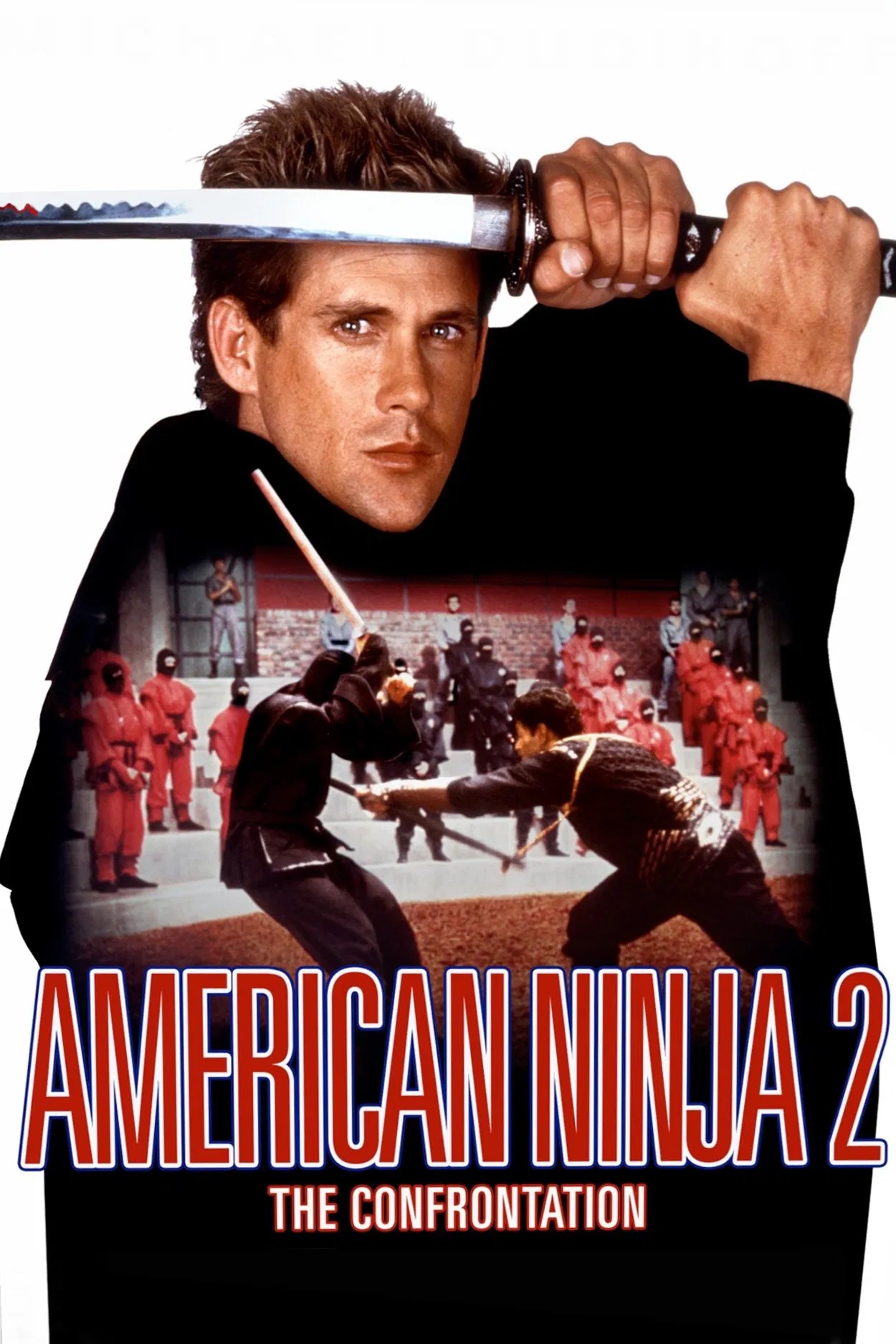
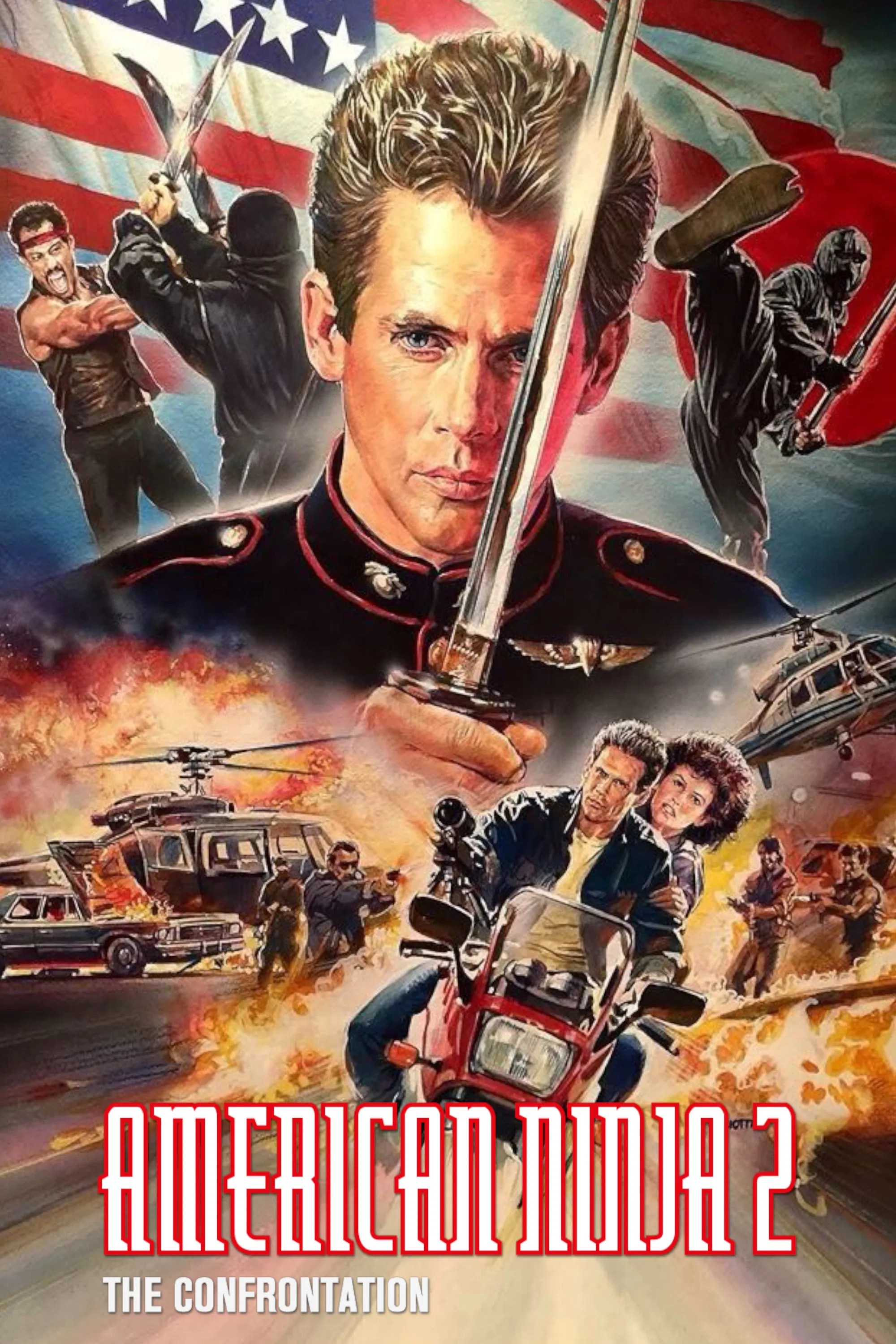
The original American Ninja was a milestone movie of my childhood. The story of an amnesiac orphan-turned-soldier battling corruption (and lots of ninjas) on a military base in the Philippines, it was corny, generic, and juvenile in that irresistible Golan-Globus fashion, serving up cheap thrills and surprisingly competent action sequences by the bucketload. It was also a financial success, spawning five sequels (only three of which starred Dudikoff). Of all those sequels, 1987’s American Ninja 2 has to be my favourite. The original pips it for sheer nostalgia, with a superior story and a more memorable love interest courtesy of Weird Science‘s Judie Aronson, but the sequel is faster, dumber, and driven by the kind of out-there science fiction concept that has to be seen to be believed.
In an era of elevated horror, absurdly long running times and sterile action movie self-awareness, it was deeply refreshing to go back to a simpler time, an era when the action genre delivered exactly what it promised with no pretentions, and all within a perfectly slight and serviceable 90 minutes. There’s always a fear that these movies live on as little more than rose-tinted nostalgia, that time has deemed them unwatchable to the point that you’ll get tired after five minutes, but from the moment a herd of super bikes whizzed into the frame Top Gun style, I was hooked. I could have watched it twice over.
Firstenberg’s contrived, breakneck approach is both breathlessly stupid and cheaply exhilarating, which is sometimes all that’s required. I don’t watch movies like American Ninja 2 for their subtleties. This is 90 minutes of corny jokes and contrived martial arts battles, the kind that lurk on every corner with the puerile aggression of a 3pm scuffle beind the bleachers. Every douche bag with stubble is a glorified school bully in this movie. Sometimes you expect them to ask for Joe’s lunch money before he inevitably hands their asses to them playground brawl style.
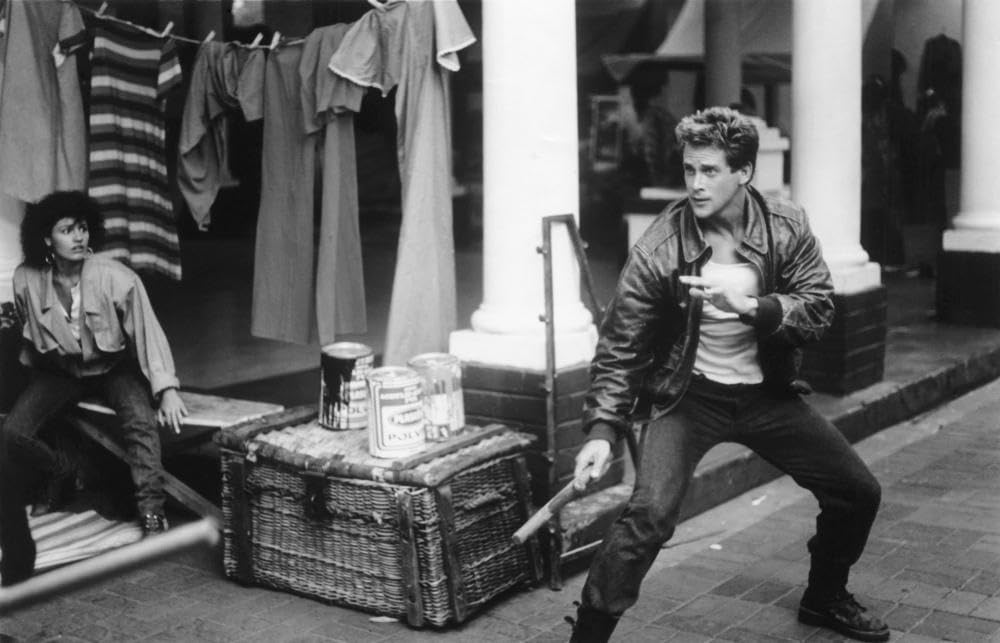
American Ninja 2‘s plot is absurd, with a sci-fi twist that neither the budget nor the screenplay are able to justify, but that’s what makes it so great. It all begins simply enough, two marines kidnapped in a bar by a gang of rough and tumble heavies, a third marine, their pal, hiding behind a pillar with all the subtlety of a daytime soap opera character fortuitously stumbling upon a corny revelation. Not only is the third marine, Tommy Taylor, a coward, he’s actually in on the whole set-up, forced to turn on his military fellowship or face the consequences.
Tommy has also been tasked with picking up our two heroes, now cipher clerk’s recruited to uncover the whole mystery. Inevitably, Joe and Jackson are onto him in record time. In any other situation their powers of perception would have been lauded as superhuman, but Tommy is so conspicuous that he may as well have had a full confession, typed up and signed, ready for their arrival. If he’s not glancing around nervously or randomly losing his temper, he’s constantly chewing on his nails as if trying to communicate his guilt via sign language. Let’s just say he’s not long for this world.
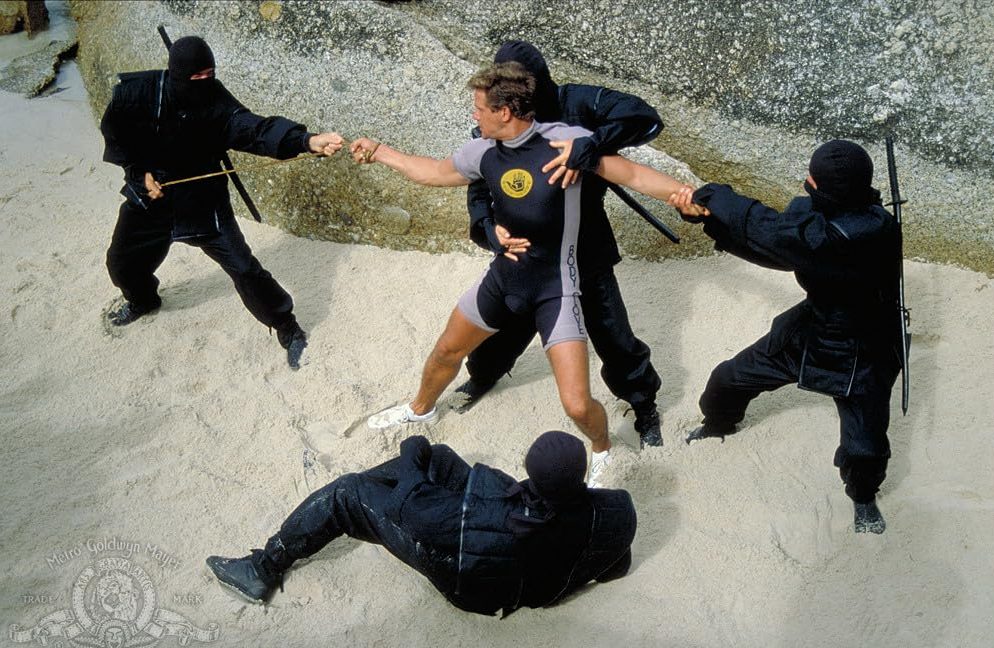
Joe and Jackson waste no time ruffling feathers, or slipping back into their roles as ass-beating buddies. Dudikoff, particularly, has come a long way since American Ninja in terms of martial arts choreography, which is vital because the action comes thick and fast, even if Cannon’s cheapjack tendencies see the movie resorting to woefully fake sword stabs under the armpit, with absolutely zero blood on display. One scene sees Tommy fatally stabbed to death with what appears to be some kind of elongated rubber plunger. The way he falls back, choking on the last morsels of life while the weapon bends and wobbles inside of him, is so beyond realism that all you can do is chuckle at the sheer audacity of it all. The whole production could have been masterminded by a gaggle of rambunctious kids hepped up on glucose. It’s pure, childish mayhem from start to finish.
Every time our deadly duo leave the base they wind up in some kind of trouble, breaking into barroom brawls with infantile displays of machismo, and that’s not to mention the island’s seemingly endless population of ninjas, who should really work on their stealth tactics if they’re to stand a chance against Joe and Jackson. I understand the use of black shinobi shozoku costumes in the dead of night. They provide camouflage and make ninja’s invisible to their enemies. In American Ninja 2, they spend ninety percent of the film hiding in plain sight, draped from head to toe in black costumes in broad daylight. They even stand on giant rocks at the most visible point imaginable, just in case they didn’t blow their cover the first time around. Maybe I’m missing something here, but the sight of a gang of samurai-wielding ninjas, garbed in black in the middle of the excruciating summer heat, is about as conspicuous as it gets. They may as well have turned up naked.
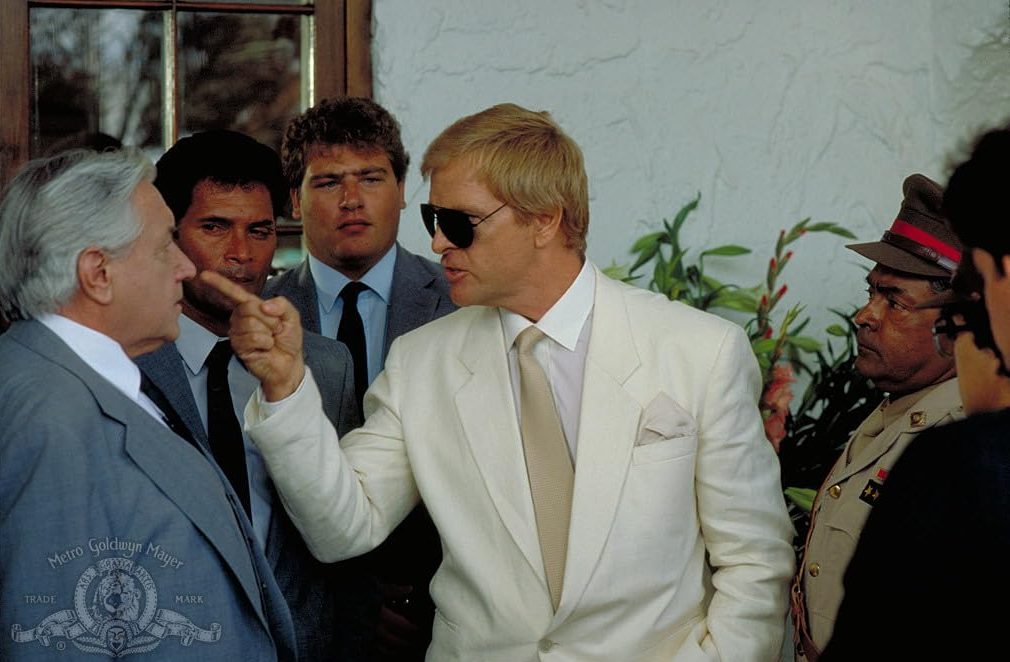
The island’s ninjas work for nefarious supervillain ‘The Lion’ (I Was a Teenage Frankenstein‘s Gary Conway), a shade-sporting, Miami Vice suit wearing psychotic with designs on transforming the island’s kidnapped marines into genetic super ninjas. Why he chose to kidnap neighbouring US marines is anyone’s guess. Sure, they’re dumb and completely devoid of skill and intelligence thanks to Conway and James Booth’s cackhanded screenplay, but picking a fight with the world’s single most devastating superpower when you could merely have kidnapped members of the island’s defenceless townsfolk is anyone’s guess. Better still, why not recruit the legions of hired goons already on your payroll? It would have made life so much easier.
The Lion has solicited the help of a local scientist, who according to his daughter, Alicia, was on track to curing cancer until his efforts were derailed and redirected. Her monologue describing the situation is beyond laughable. Not just because of its sheer length and exhaustive expositional hyperbole, but because South African actress Michelle Botes has clearly been dubbed, which dials the already laughable levels of melodrama up to eleven. Why even go with the poor girl if you’re just going to erase her accent after the fact? Would it have anything to do with the fact that the movie was shot in South Africa, Botes’ hiring a matter of fiduciary convenience? It’s the natural conclusion to draw.
Joe’s inevitable romance with Alicia is just as laughable. Part of the reason is that Alicia has the lion’s share of the dialogue, which is ludicrous for all the reasons mentioned, Joe’s icy, James Dean glare wilting as a consequence. Joe basically becomes a married man and a father in the space of a couple of days, in the most underdeveloped way of course. This is 80s B-movie fare, so the love interest is a pathetic, helpless damsel who spends her time either terrified of pursuing ninjas or jumping for joy like a cheerleader when Joe hacks one of them to death. But unlike the original American Ninja, there’s zero attempt to create a convincing romance, and the surrogate son in question doesn’t even belong to Alicia. He’s just a local panhandler whose only real dialogue consists of asking Joe for cash. If anything, he’s more deserving of a smack in the mouth than the movie’s villains.
It’s great seeing Dudikoff and James back in tandem, even if their relationship fails to develop in any way meaningful. Joe was the lone wolf of the original American Ninja until Jackson, and by proxy the rest of the US army, welcomed him into their brotherhood. Here, the two offer no real sense of evolution, either as singular characters or as a unit. They’re a generic team leeching off the buddy cop formula: Jackson the charming bad ass, Joe the mostly silent renegade who gets the job done, and the genericisms don’t stop there. We have a watered-down version of the original movie’s Black Star Ninja, two-bit villains who belong in a Streets of Rage game, and a Marine Captain dubbed ‘Wild Bill’ who hangs around in Bermuda shorts and shows absolutely no leadership skills whatsoever, immediately conforming to Joe and Jackson’s equally haphazard plans to simply rush-in and let them have it, regardless of the consequences. It’s like a game of GI Joe come to life: chaotic, anorexically plotted and over the top to the point of senselessness.
I’m Seeing Double Here
As you would probably expect from a gloriously dumb Cannon production, there are some massive editing fails in American Ninja 2, like the moment when Joe and Jackson jump 80 feet off a giant rock into a small boat without sinking it, or even so much as twisting an ankle.
But all of that pales in comparison to the moment in which a clearly obvious stunt double, masquerading as Joe, looks directly at the camera 11 minutes and 40 seconds into the movie. And let me make this perfectly clear, it’s not a fast-paced stunt that you have to be quick to spot. It’s not a stunt at all, just an innocuous scene in which imposter Joe and Jackson slowly and conspicuously leave Captain Wild Bill’s office with a shamelessness that epitomises mid-80s Golan-Globus.
Just incredible!
Counterproductive
American Ninja 2‘s mysterious villain, The Lion, may have an audacious, morally bankrupt business plan that involves kidnapping marines and transforming them into subservient super ninjas, but he really needs a lesson in worker rights, for both his sake and that of all current and future employees.
While displaying his new army to an interested party, The Lion has his head ninja and henchman kill a handful of recruits in an opulent and quite frankly senseless display. Not only does this weaken them for their impending war with the US marines, it makes his soldiers, and the science behind them, look like a complete failure.
Blending In
Ninjas are obviously known for their stealth abilities, but this is some next level, Jedi mind shit.
Looking for clues to an operation so beyond reality that Sherlock Holmes himself would be forced into retirement, Joe and his new squeeze, the only female ninja at the entire complex, disguise themselves in enemy regalia, infiltrate the lab and stand conspicuously next to an army of potential investors and even the The Lion himself.
Though sticking out like a parody among the various corporate suits who are somehow unperturbed by such a peculiar sight, Joe and Alicia are free to eavesdrop on the whole operation; and this is classic James Bond levels of exposition, let me tell you!
Heartbreaker
Steve James has a million dollar smile and a muscular torso to die for, but even a prime Brad Pitt would struggle to pull the ladies like Jackson.
In one scene, a beautiful, ludicrously wealthy babe hands him her number on a piece of paper from out of nowhere. Bear in mind, Jackson has just arrived back from a mass brawl, his clothes literally torn to shreds and hanging off his body like he’s been savaged by an ambush of tigers.
Smooth!
Choice Dialogue
Captain ‘Wild Bill’ Woodward: “I don’t like that tiny maggot, I don’t like him at all. I mean what is this? Ninjas? Drug pushers? My men being kidnapped and murdered? This is really beginning to get on my tits!”
Spoken like a true leader.
Edison Smith
lacks the air of mystery that made Joe interesting the first time around, with a story that is less engaging, but the action is bigger, dumber and more ambitious, and Dudikoff and James have really found their groove in a movie that leans more into humour – both accidental and otherwise.




 vhsrevival.com