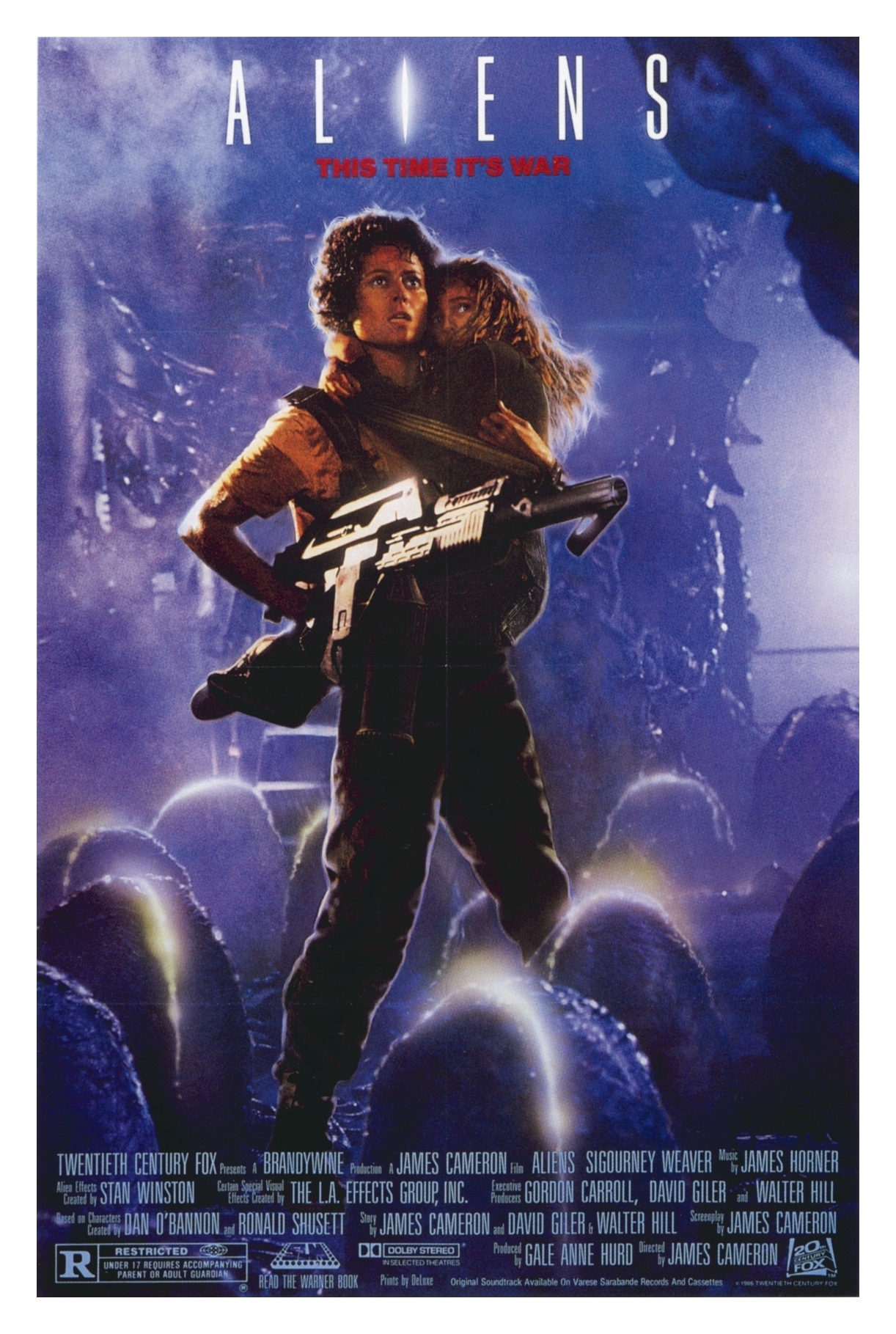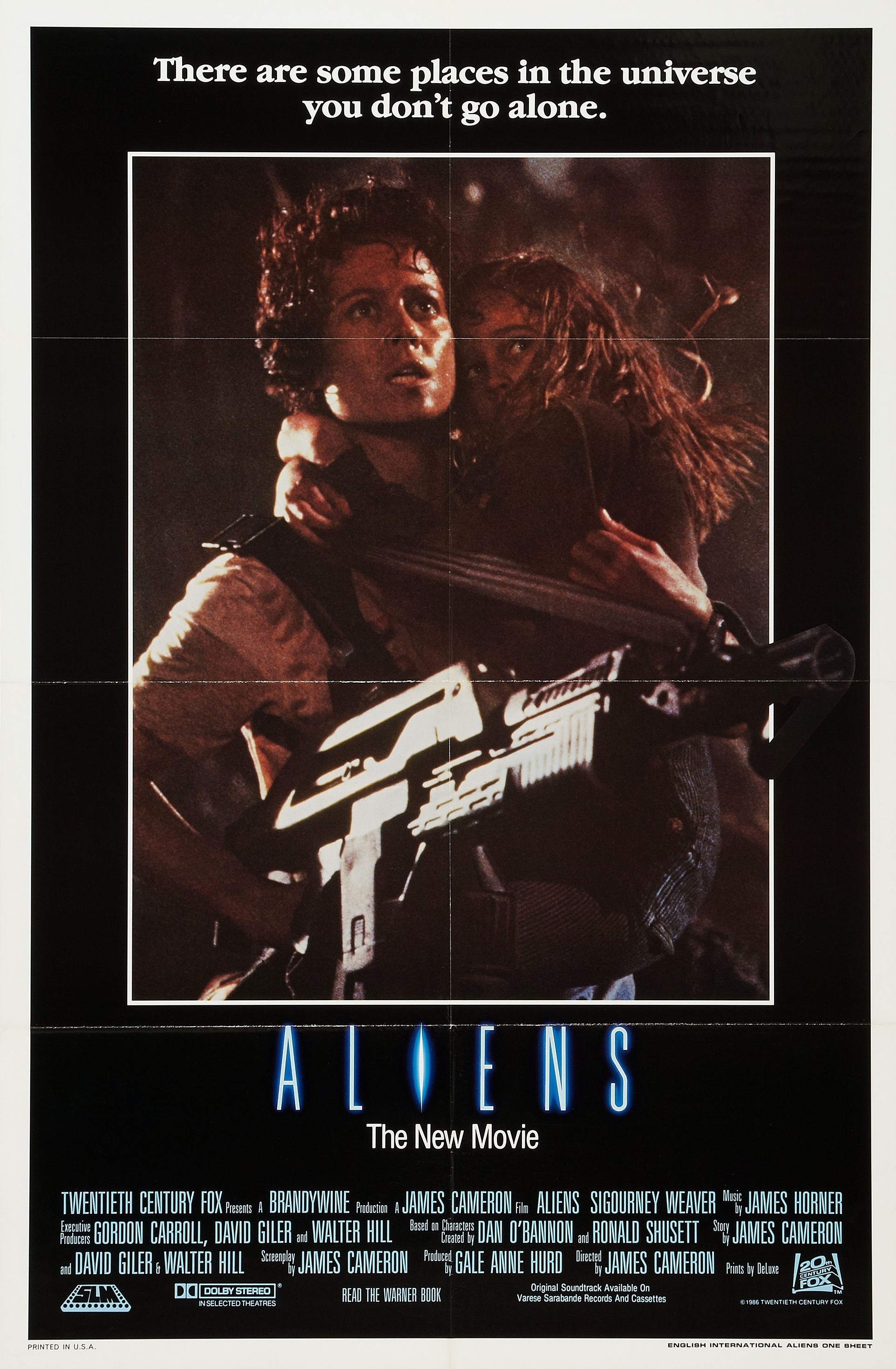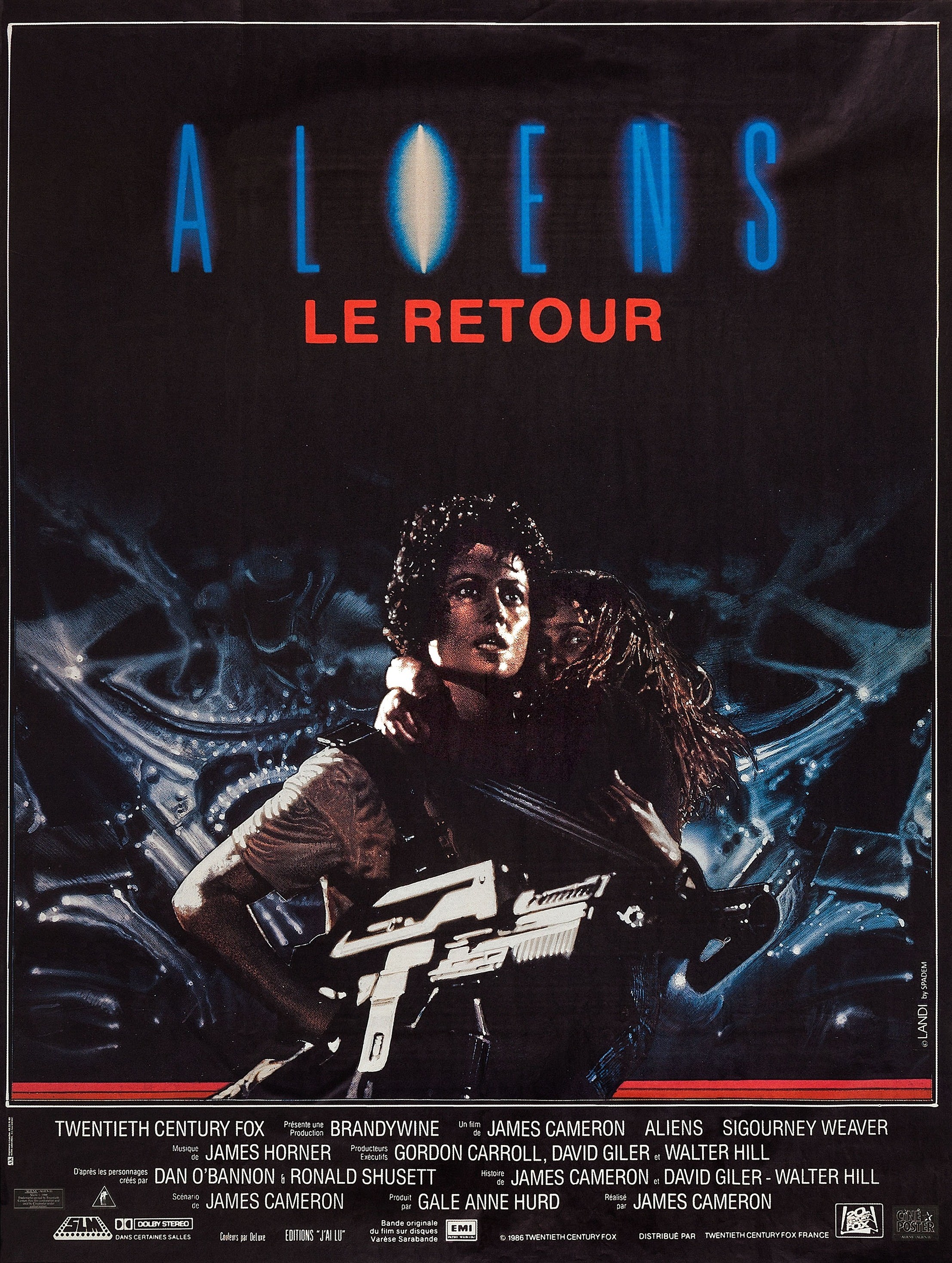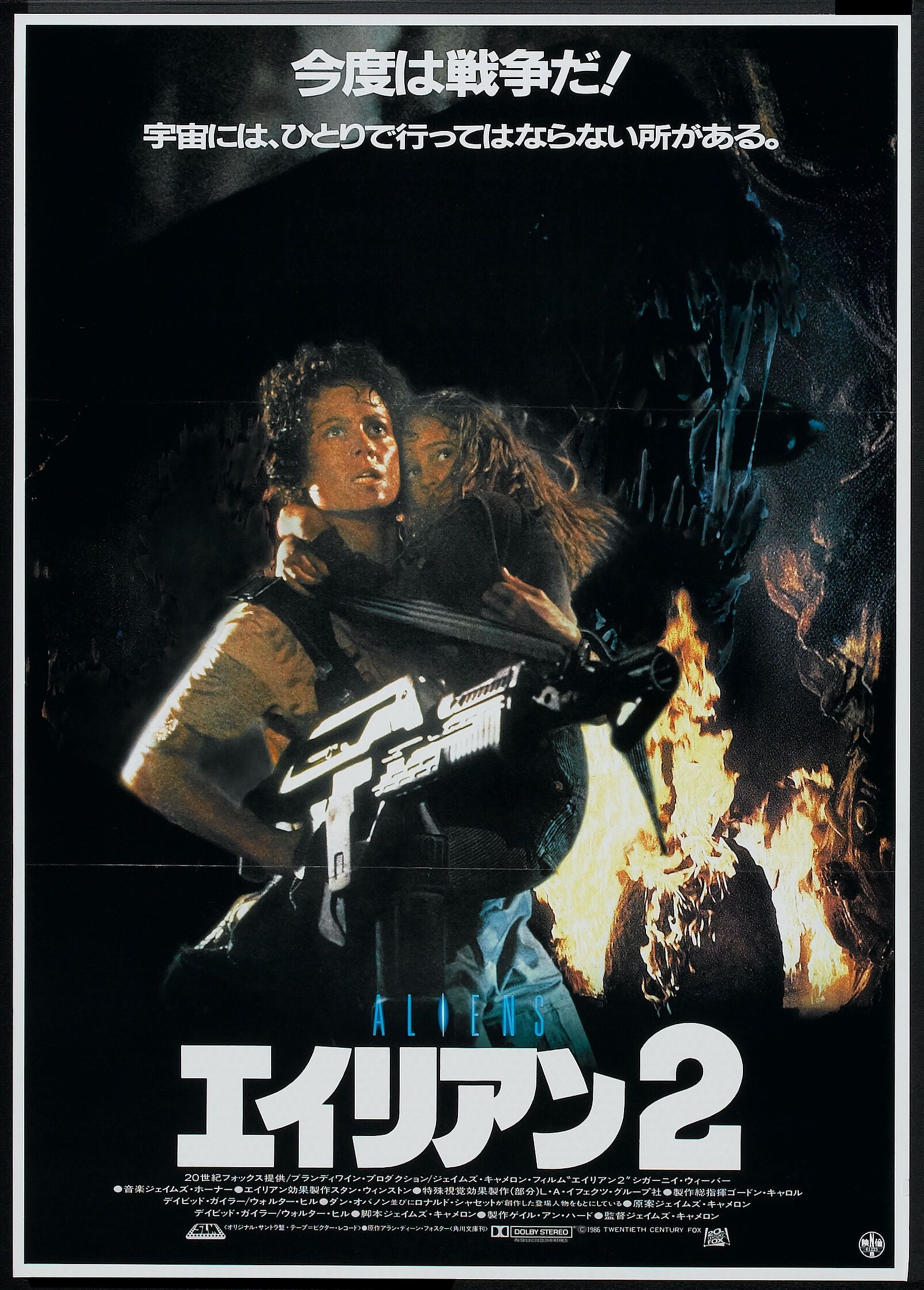
VHS Revival locks and loads for James Cameron’s masterclass in sequel making
A sequel that lives up to an original picture is a rare thing indeed. Even rarer is one that in some ways surpasses it, but director James Cameron managed to produce two of the most astonishing of any era in an incredibly short time period. In 1991, he in some ways bested his horror-infused sci-fi epic The Terminator with Terminator 2: Judgment Day, an action spectacular that kept Arnold Schwarzenegger front and centre by flipping the script and casting him as an obsolete terminator reprogrammed to take on a more modernised threat in Robert Patrick’s deliciously coldblooded T-1000 model. Judgment Day went on to break all kinds of records, becoming the most expensive film ever made and the highest-grossing R-rated movie of all time, but the prospect of living up to a near-perfect movie like The Terminator must have been a daunting one.
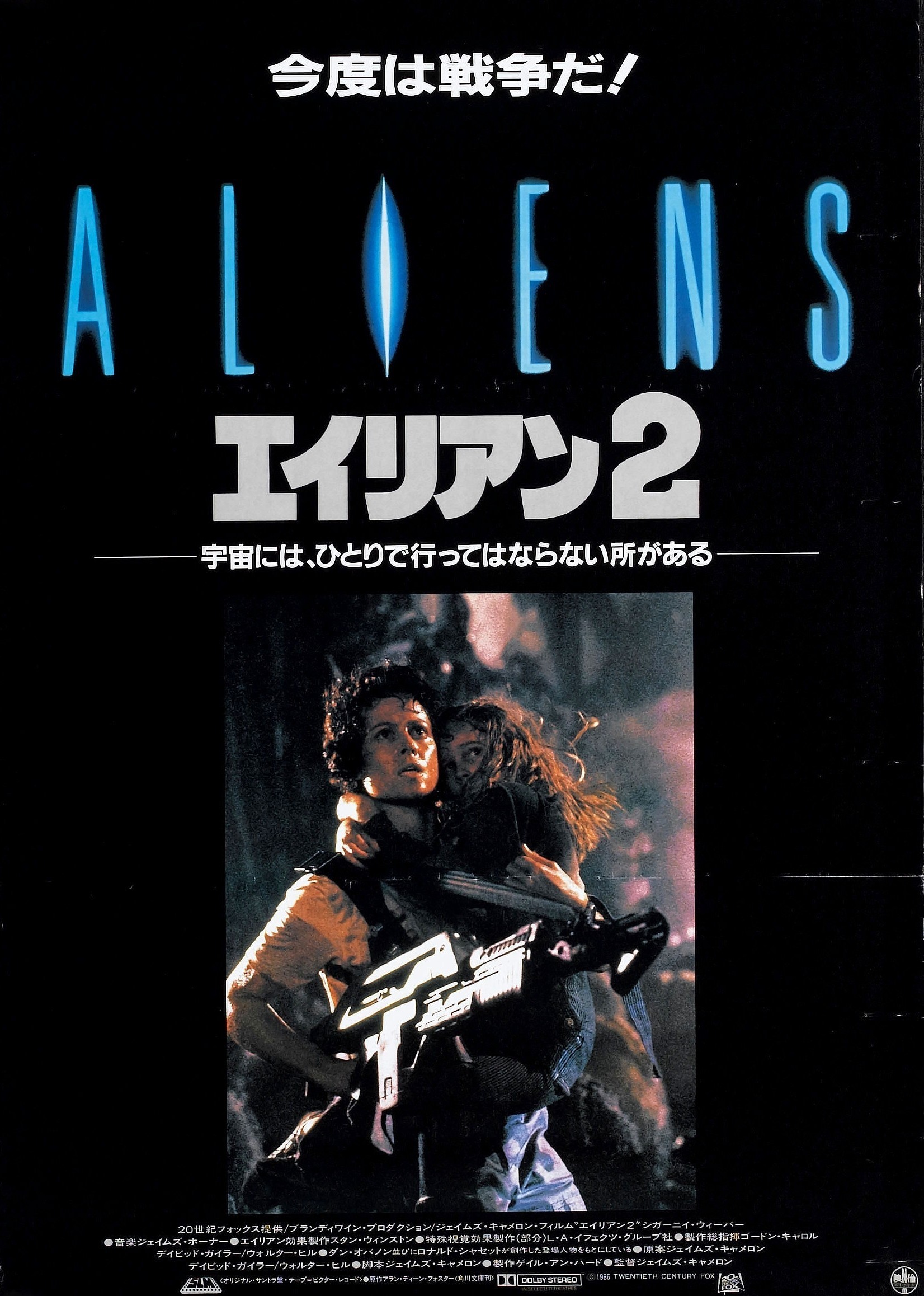
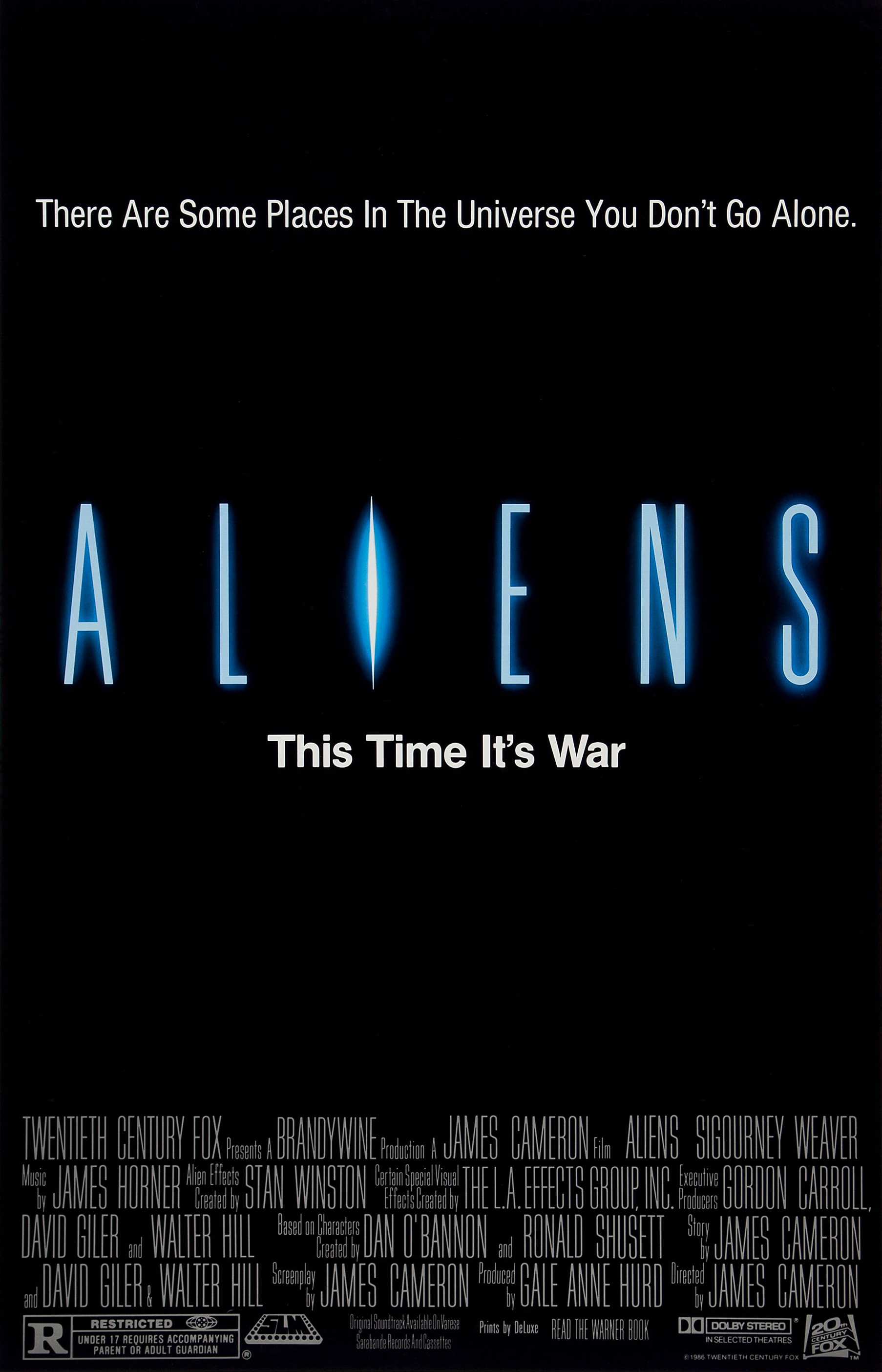
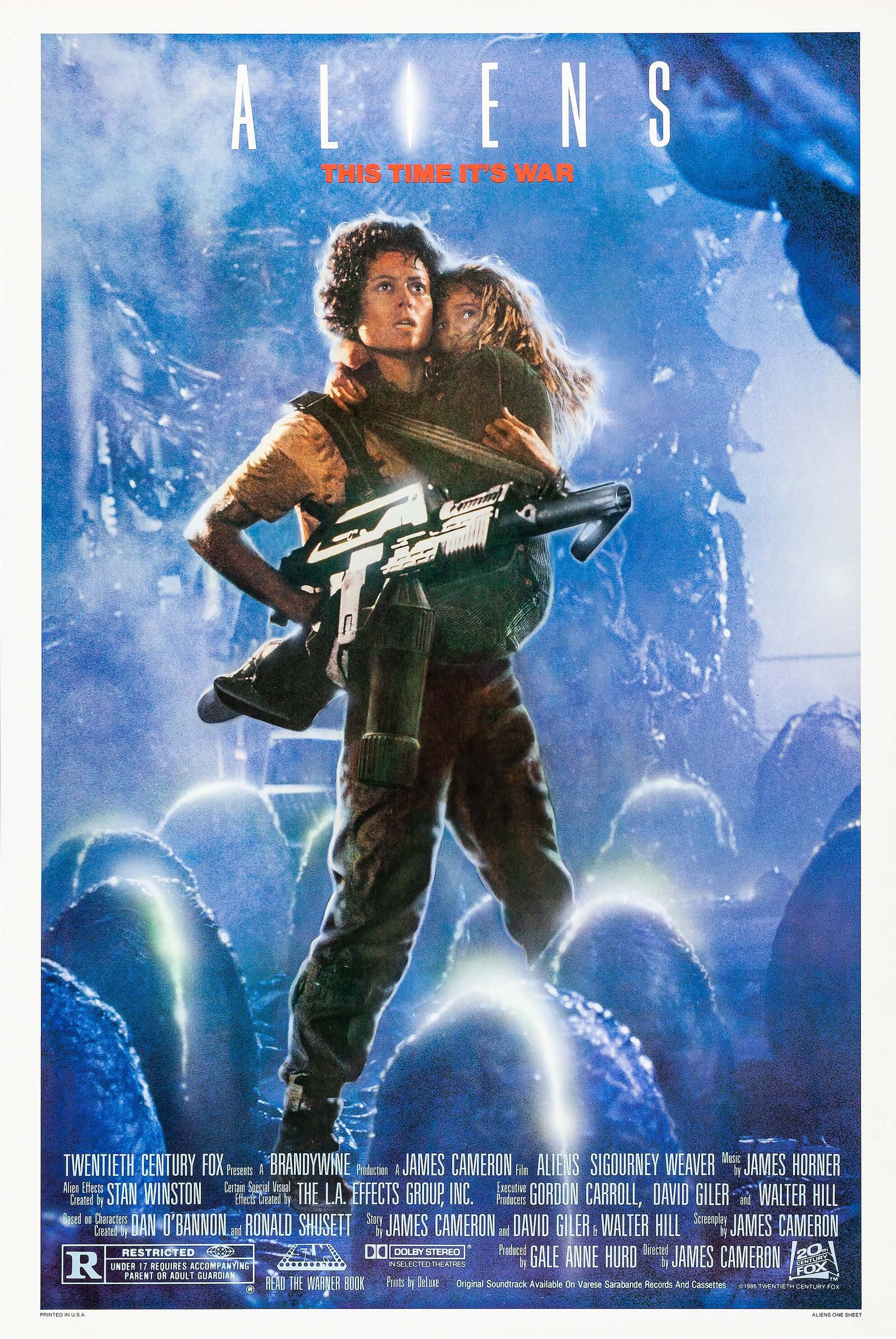
Fortunately, Cameron was well schooled in giving audiences something fresh while maintaining those essential elements that made the original movie so special. Two years after announcing himself as a serious Hollywood player with The Terminator, the filmmaker landed the sequel to Ridley Scott’s innovative sci-fi classic Alien, a movie which came with even more expectation, particularly since Scott’s genre defining classic wasn’t Cameron’s original property. Cameron decided that his best move was to shift tone, eschewing the quiet foreboding and creeping shadows of Scott’s seminal space-bound slasher for a balls-to-the-wall action extravaganza in the 80s mode, essentially altering the criteria of the movie without changing it much at all. It made sense. Trying to play Scott at his own game would have been a foolhardy move, but fans of the first film would be expecting more of the same to some extent, so straying too far from the original formula was also a no-go. A statement had to be made while staying loyal to Scott’s timeless classic, and that’s exactly what Cameron set out to do, starting with an ingeniously simple title that laid his intentions bare.
Thanks to a combination of lawsuits and a lack of enthusiasm from 20th Century Fox, who would undergo several changes in management between 1979 and 1985, the long-mooted ‘Alien II’ would remain in development purgatory for more than a half-decade, which may have been a blessing in disguise. Six years is a long time in cinematic terms, and a rushed-into-production sequel would likely have been much closer in tone to the original. Not only that, but Cameron, who only had one film to his name prior to The Terminator in 1982’s Piranha II: The Spawning, a credit he was forced to share having been fired by eventual successor Ovidio G. Assonitis, would have been nowhere near the camera. The filmmaker was initially hired to write the screenplay for Aliens back in 1983 based on the commercial clout of his scripts for The Terminator and Rambo: First Blood Part II, and was only recruited to direct after the success of his time travel classic. Finally, the film that would become known as Aliens was beginning to take shape.
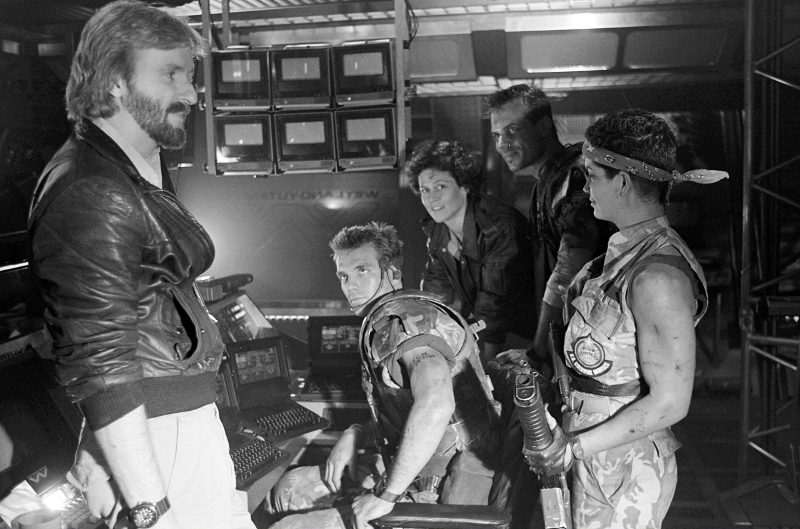
Casting problems soon arose. Much like Judgement Day more than a half decade later, there was no movie without the star of the original film. Sigourney Weaver, who broke the mould for mainstream action heroines as the brave and resourceful Ellen Ripley, was central to Alien‘s distinctiveness and an absolute prerequisite for the series as a continuing saga, but the actress wasn’t keen about returning for a numbered sequel. Schwarzenegger, who was only accepting good guy roles by 1992 as he looked to ingratiate himself with political circles, faced very different problems when asked to return to the role that made him, the kind that Cameron solved with the inspired creative twist of making him the hero protector, but Weaver had very little interest in entertaining Cameron’s script until assurances were made that Aliens was more than just a cash-grab. This led Cameron and producer Gale Anne Hurd to feign the recasting of Ripley, though Cameron, who wrote the script with a picture of Weaver on his desk, was determined to have her on board. So vital to the film going ahead was Weaver that she ultimately received a $1,000,000 salary and a percentage of the film’s profits — a lucrative deal for a female action lead in 1985.
What do you mean *they* cut the power? How could they cut the power, man? They’re animals!
Private Hudson
Cameron turned to familiar faces as he looked to flesh-out the cast, Michael Biehn, Lance Henriksen and Bill Paxton having all worked with the director on The Terminator. Henriksen was dubious about accepting the role of Bishop as he feared he wouldn’t be able to live up to Ian Holm’s coldblooded saboteur, Ash, from the original Alien. Henriksen’s android, who is understandably rejected by Ripley but ultimately sympathetic and loyal, is a superior model free from the homicidal twitches of his obsolete predecessors, but even with the actor delivering a softer, childlike portrayal, our knowledge of the first movie helps maintain an element of doubt where it counts.
Interestingly, James Remar was originally cast as Biehn’s character Corporal Hicks but left having been fired for drug possession. So nailed-on was Remar prior to his misdemeanour that rare, on-set pictures of the actor still exist. The hiring of Paxton, whose overconfident but ultimately out of his depth Private Hudson was written as the film’s comic relief, was greenlit by the studio based on his priceless comedic turn as oppressive bonehead Chet in John Hughes’ 1985 comedy Weird Science, a role the actor admitted was still his most asked about among fans prior to his premature death in 2017. Jenette Goldstein, who would play unflinching female pit bull Private Vasquez, would later star as John Connor’s negligent foster mother in Terminator 2, a movie in which she is almost unrecognisable.
Other than Weaver, and despite an enviable cast that included Yaphet Kotto, Tom Skerritt and Harry Dean Stanton, the real star of Alien was HR Giger’s monstrous phallic creation the xenomorph, an acid-bleeding, genetic hunter that made Jaws look like a lost salmon leaping hopelessly upstream. The original xenomorph was a pure predator, a giant killing machine with an uncanny ability to remain in the shadows. Thanks to Scott’s slow-building approach and some miraculous low-key lighting, it was barely seen, barely heard, and if you were unfortunate enough to catch a glimpse of it, you were pretty much done for. The question was: how do you revive such a creature and expect it to have the same impact second time around, especially when you throw in the kind of futuristic heavy artillery that can destroy them with one testosterone-charged burst. The answer was simple: you deliver more of them.
There’s a case to be made for the idea that upping the ante on both sides, something that Terminator 2 would also do, cheapens the xenomorph by making them more disposable and ultimately less fearsome, but we see another side to the creature when viewed as part of a whole colony, one that that makes them just as terrifying: the idea of a hive mind. Faced with an army of lock ‘n load space marines, the xeno, once a solitary hunter with the moral capacity of a particularly lethal insect, show solidarity and a willingness to sacrifice themselves for the greater good; like a colony of ants, they’re selfless, industrious and wired to adaptation.
Look, man. I only need to know one thing: where they are.
Private Vasquez
The unlucky and overconfident rabble sent to dispatch of their species may be well armed and trained to the highest human standards, but there’s no competing with a natural predator of the xenomorph’s calibre. They may lack the empathetic brotherhood of their human counterparts, but they work on sheer survival instincts, and if the best soldiers are those of the dehumanised variety, then the xenomorphs possess the perfect army, one backed by a bigger, smarter general, the kind who represented Ripley’s toughest test to date.
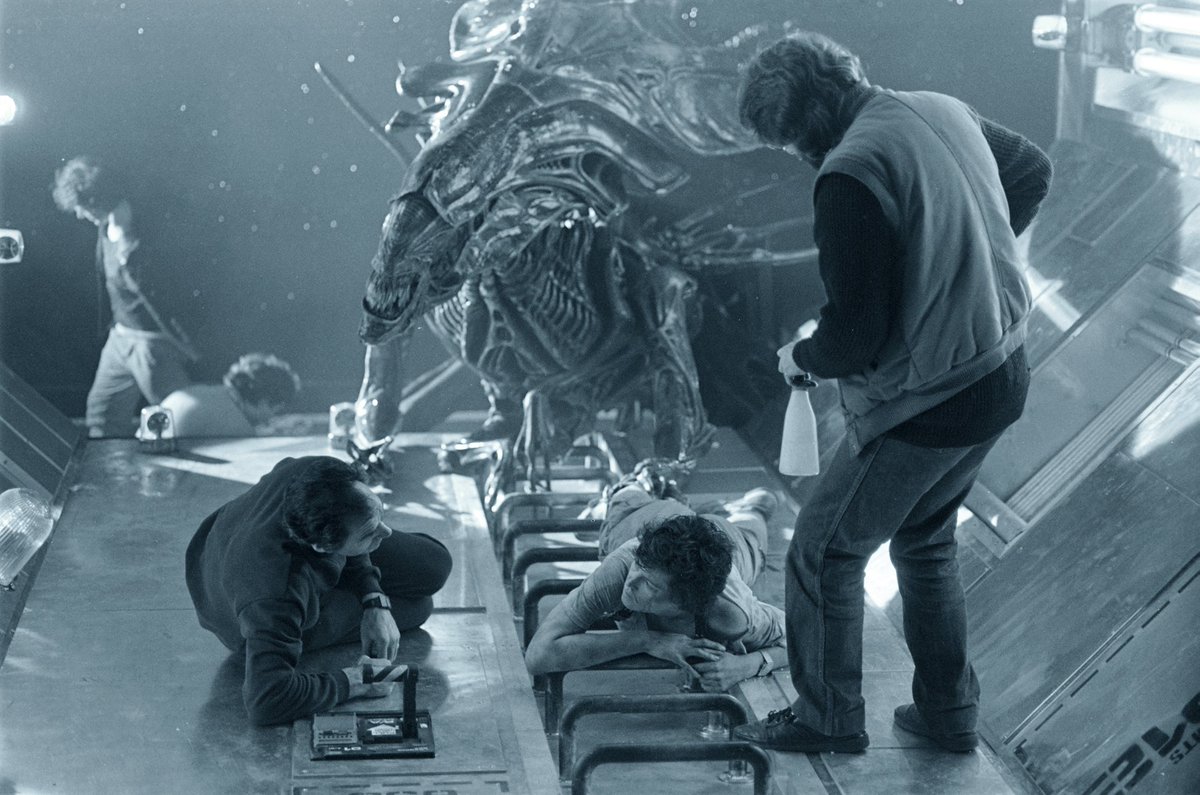
That test comes in the form of our egg-laying queen, who looks as impressive today as she did more than thirty years ago. Part of the movie’s durability is its refusal to look dated — particularly the alien species itself, which for my money remains the most terrifying monster in all of cinema. Thanks to wonderful costumes, frenetic editing, and the kind of authentic set-design that maintains our suspension of disbelief, the movie hasn’t aged one iota, and in many ways looks superior to later CGI efforts due to its physical tangibility (just imagine how dated this movie would look if it featured early CGI).
Particularity memorable are the eggs themselves. If the original xenomorph put you on the edge of your seat, then the infamous ‘Facehugger’, known taxonomically as ‘Manumala noxhydria and designated “Stage 1” xenomorph’, had you leaping right off it, and there’s something fundamentally horrifying about seeing them hatch; the calm, purely physiological event before the storm. The original xenomorph was an entity shrouded in mystery. Just as terrifying is the notion that these are organic creatures who are in many ways no different from ourselves, the kind who will protect their own at all costs.
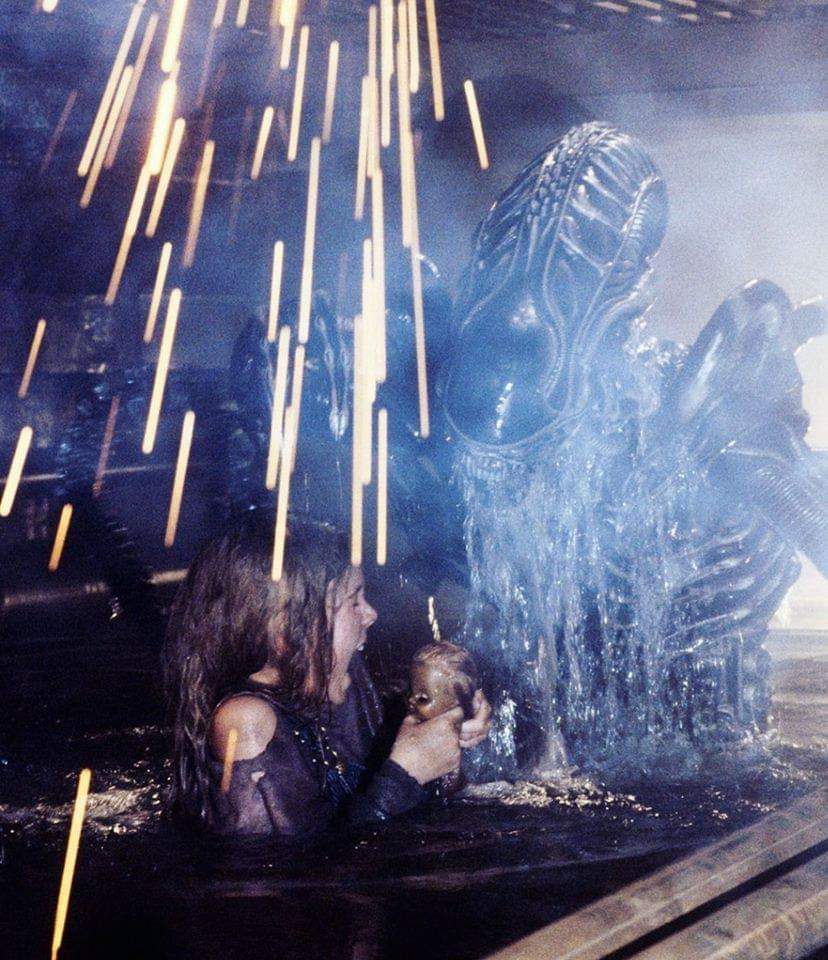
Despite their do or die approach in Aliens, the xenomorph overcome the tactical expertise of Ripley’s comrades with a formidable mix of patient savvy and reckless abandon. There is one specific moment where a particularly sly xeno creeps up on the lost and lonely Newt, literally drooling at the prospect of her capture and emerging from the water in the kind of ‘he’s behind you’ shot you’d expect from John Carpenter’s Halloween. It’s the seeming omnipresence of the hive mind and the isolation of space, both inner and outer, that proves key to the xenomorph’s power and the power of horror in general. Despite his bigger is better approach to the source material, Cameron expands our understanding of the xenomorph in a way that strengthens its legacy as a horror creation rather than detracting from it.
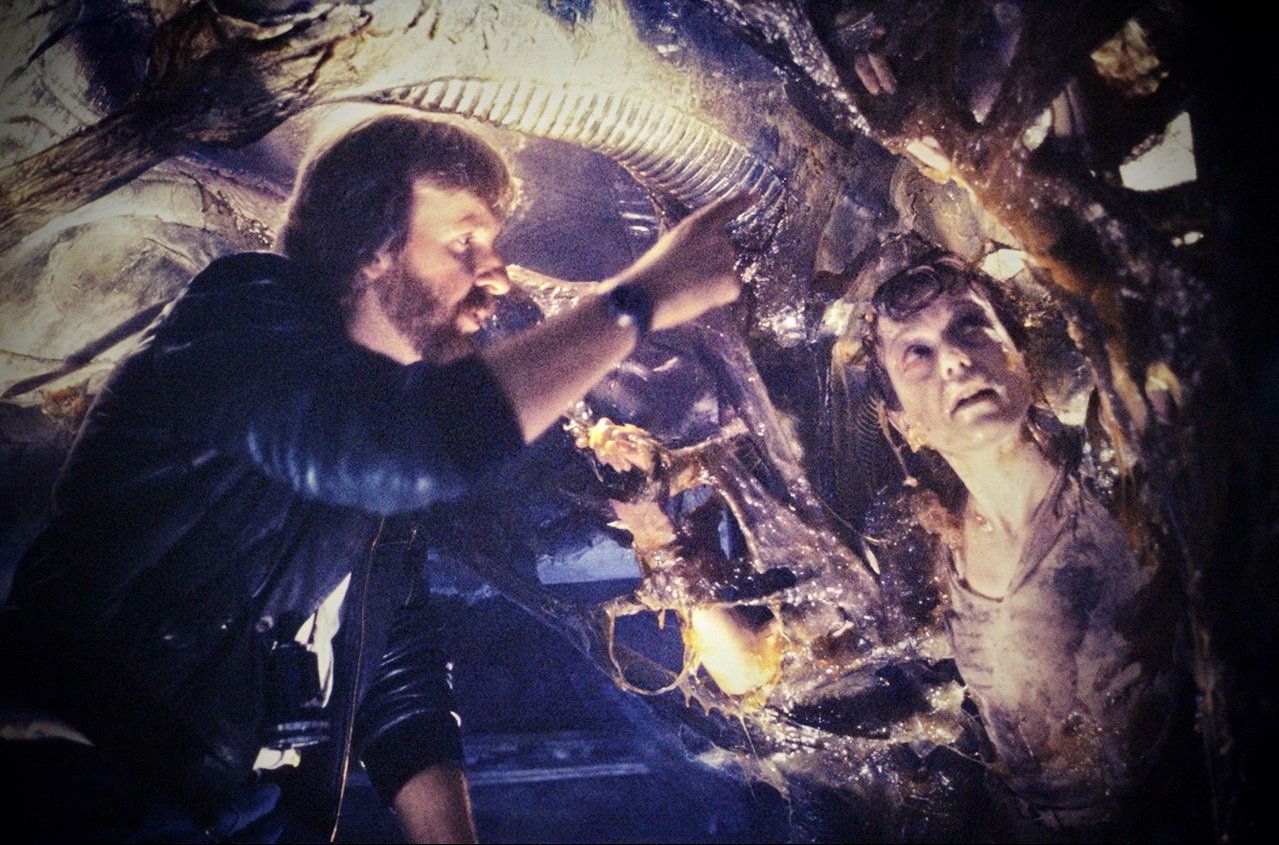
Alien may have been a purer horror in sentiment, Aliens typically catergorised as its action movie cousin, but Cameron manages to retain those horror elements while forging his own smash-mouth identity. The film’s best moments, some of which rivaling the original for excruciating tension, show the xenomorph adapting to the tactical maneuvers of their human adversaries, pursuing in packs through ever tighter spaces from all directions, particularly during an iconic sequence with a portable tracker, it’s incessant bleeping forging truly heart-in-mouth moments fuelled by sheer terror. There’s also the grizzly scene when our decreasingly cocksure troops stumble upon a series of xenomorph cocoons, a gallery of death that spells out the inevitability of their futures in no uncertain terms.
Frightening stuff, but like Alien, Aliens is as much about those surreptitious human threats, the kind of godless parasites who are intent on controlling and weaponising a species that operates on pure, ferocious instinct. In order to maintain that excruciating sense of distrust and moral ambiguity, there has to be a traitor in the pack, and in Aliens that traitor comes in the shape of duplicitous corporate shill Carter Burke, who almost rivals the xenomorph with his destructive ambitions. Burke is played by perennial ’80s supporting man Paul Reiser, who threatens to steal the show along with the lives of our ill-fated heroes, or ‘grunts’ as he blithely refers to them.
You know, Burke, I don’t know which species is worse. You don’t see them fucking each other over for a goddamn percentage.
Ellen Ripley
Burke is the very embodiment of the Wall Street 80s, a lickspittle concerned only with wealth and personal advancement. Here he takes the place of Ash, and what he lacks in brute strength he more than makes up for with sleazy panache, the kind so slippery it makes him a prime target for the remorseless monsters he initially sets out to protect. Deep down, we love to be scared, and as a result we are in awe of the xenomorph. We quietly respect and admire them, regardless of their threat to our very species. Our connection with the doomed and helpless cast is the only thing preventing us from fully embracing that admiration, and it is through Burke that we’re finally able to indulge. The xenomorph may be reprehensible in spirit, fearsome and terrifying in stature, but a guy like Burke deserves their devastating brand of retribution and then some.
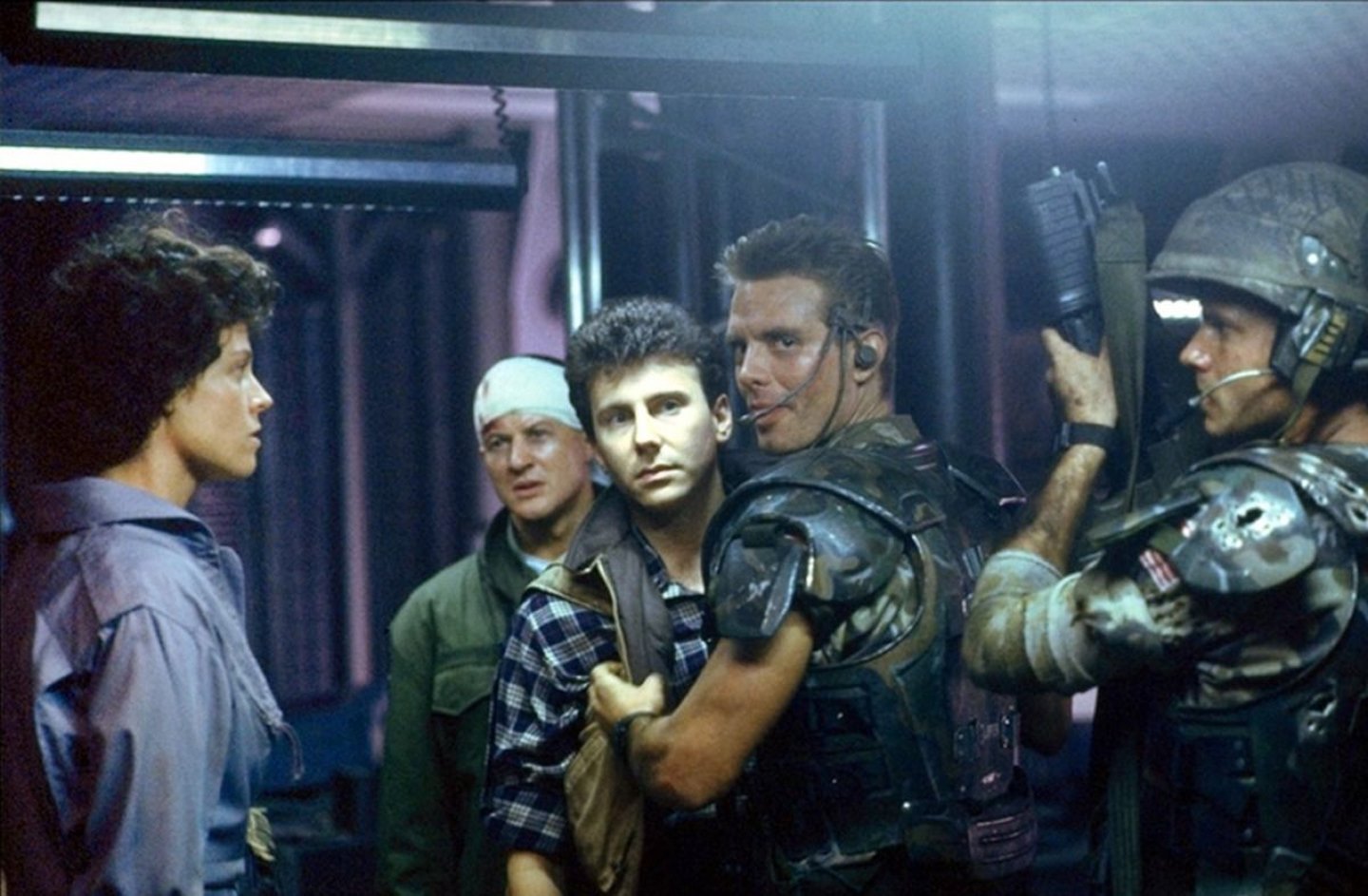
The only person truly prepared for the relentless force of nature that our cast are up against is the film’s protagonist, a Ripley reborn and ready to rumble. When we first meet Ripley she’s been in statis for 57 years as the only survivor of the ill-fated Nostromo, and already the Weyland Corporation have designs on sending her back after losing contact with an investigative colony which had set up camp on moon LV-426. Due largely to her previous run-in with a duplicitous droid who went above and beyond to complete Weyland’s actual mission, our heroine has her reservations, but her determination to wipe out the alien species along with the promise of infallible military aid soon convinces her otherwise.
Part of the beauty of Aliens, and one of the elements that sets it apart from the original, is that we can predict to a certain extent how events will unfold. Ridley Scott’s xenomorph was a stealthy hunter with a patient appetite for destruction, all elusive shadows and barely glimpsed pay-offs, but by the time our macho platoon is geared up and ready for action in Aliens, we’re already very much in the know, are able to share Ripley’s lofty vantage. To begin with, Ripley is an outsider in a realm of macho marines, a reluctant hero who appears to be out of her depth, and like the xenomorph, a creature she shares uncanny parallels with, is severely underestimated. This ignorance endears us to the character even further. We can sympathise with her inability to convince others of the severity of their situation, and as an audience we feel gratified for sharing in our heroine’s knowledge. We watch events unfold almost as a smug insider.
In preparation for the film’s all-out alien assault, Cameron gives us a heroine of increased wisdom and fortitude, something he would later apply to Linda Hamilton’s Sarah Connor in Terminator 2. As arguably the first female action lead — though Pam Grier’s Coffy can lay claim to that title on a less mainstream level — Ripley was previously billed as the underdog, and that was how we perceived her until she ultimately outlived the crew of the Nostromo to defeat the seemingly impervious. After Ripley returns to Earth she is still the underdog in the eyes of our cast because the events of Alien left no witnesses, the Ripley who grew to conquer existing only in our memories. It is this intimacy that allows Cameron to step on the gas without having to put too much emphasis on characterization, something the superior theatrical cut complements beautifully. The added meat of the Director’s Cut, though widely revered and superb in its own right, lacks the flawless pacing of the original release, which is a smash-mouth affair almost from the get-go, our characters barely touching base before their lives are thrown into jeopardy. There’s a quasi love interest built on a mutual respect, but even Michael Biehn’s Corporal Hicks is light on development, with a supporting cast who barely have time to breathe.
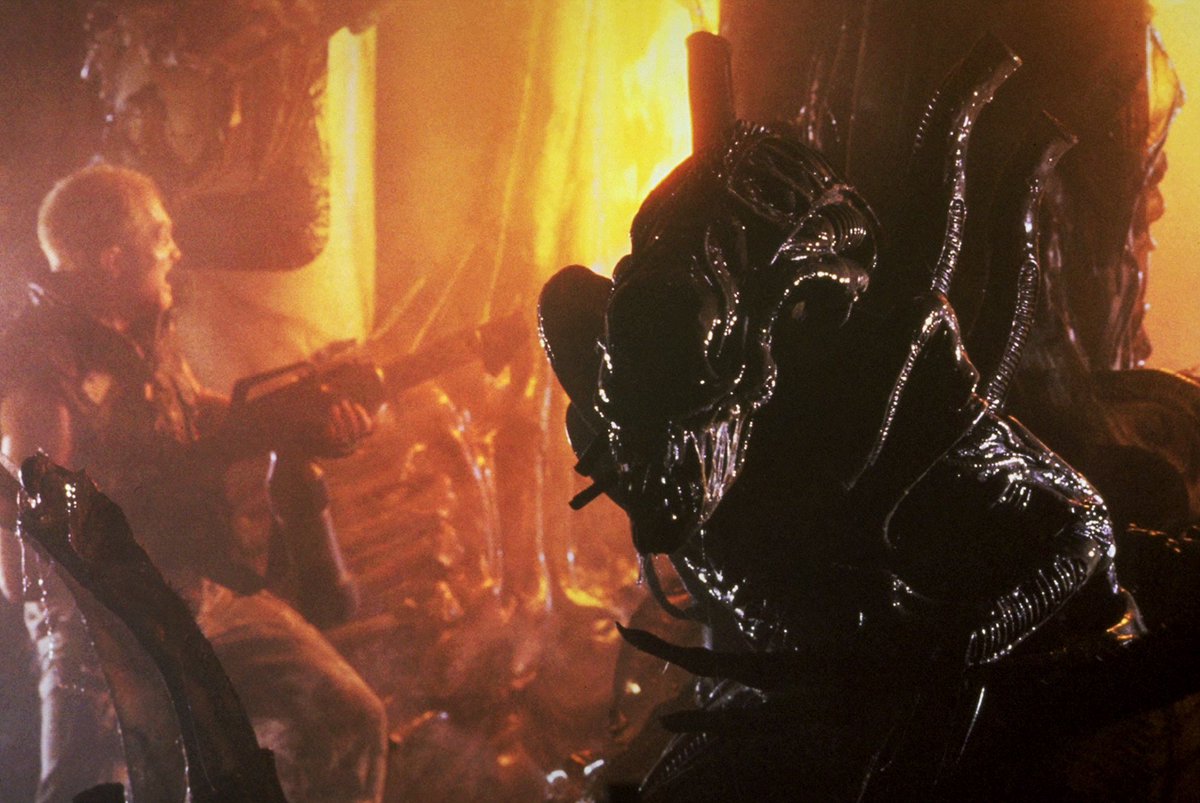
That’s not to say we don’t root for the characters in Aliens. Each serves a purpose in a screenplay of great resourcefulness that careens towards its main event with the kind of macho camaraderie that goes from deeply risible to hugely infectious. Though they come thick and fast, each character’s death means something as their squadron erodes like so much neon acid. Characters who begin as blazing assholes achieve redemption in the eyes of their audience. An unprepared lieutenant Gorman, relinquishing the reins and finally understanding what we have known all along, sacrifices himself and female ass-kicker Vasquez in a wonderfully tense instance of martyrdom, the two going out in a blaze of solidarity and taking a few screeching xenomorphs along for the ride. The once cowardly Private Hudson is suddenly transformed into a one-man killing machine, selflessly taking out a rabble of aliens before ultimately succumbing to their relentless onslaught. Bishop, though unfairly scrutinised, also sacrifices himself and wins his detractor over — no mean feat following the reprehensible and downright terrifying disposition of his predecessor.
Get away from her, you bitch!
Ellen Ripley
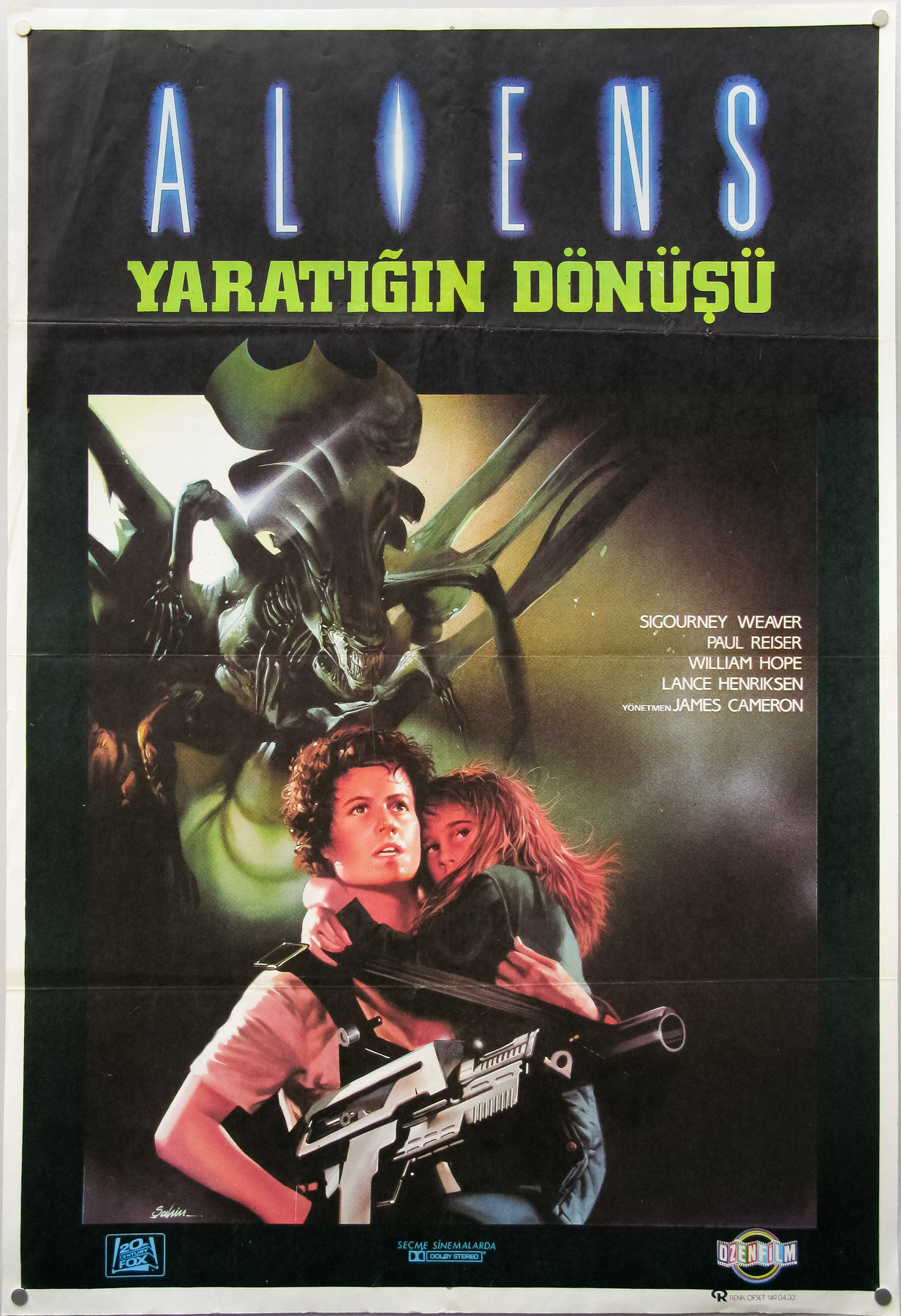
The film’s true ace in the hole, one who helps to establish parallels between Ripley and the newly introduced xenomorph queen, is juvenile stowaway Newt, a somewhat dressy, commercial embellishment who forms the basis of the movie’s strongest narrative. Even in Alien, Ripley exhibited a cold streak when faced with the decision to let the possibly infected crew of the Nostromo back on board. Since then she’s learnt a thing or two, but the unaffected Newt turns a corner, their relationship drawing maternal parallels with the xenomorph queen as Ripley looks to hit her where it hurts.
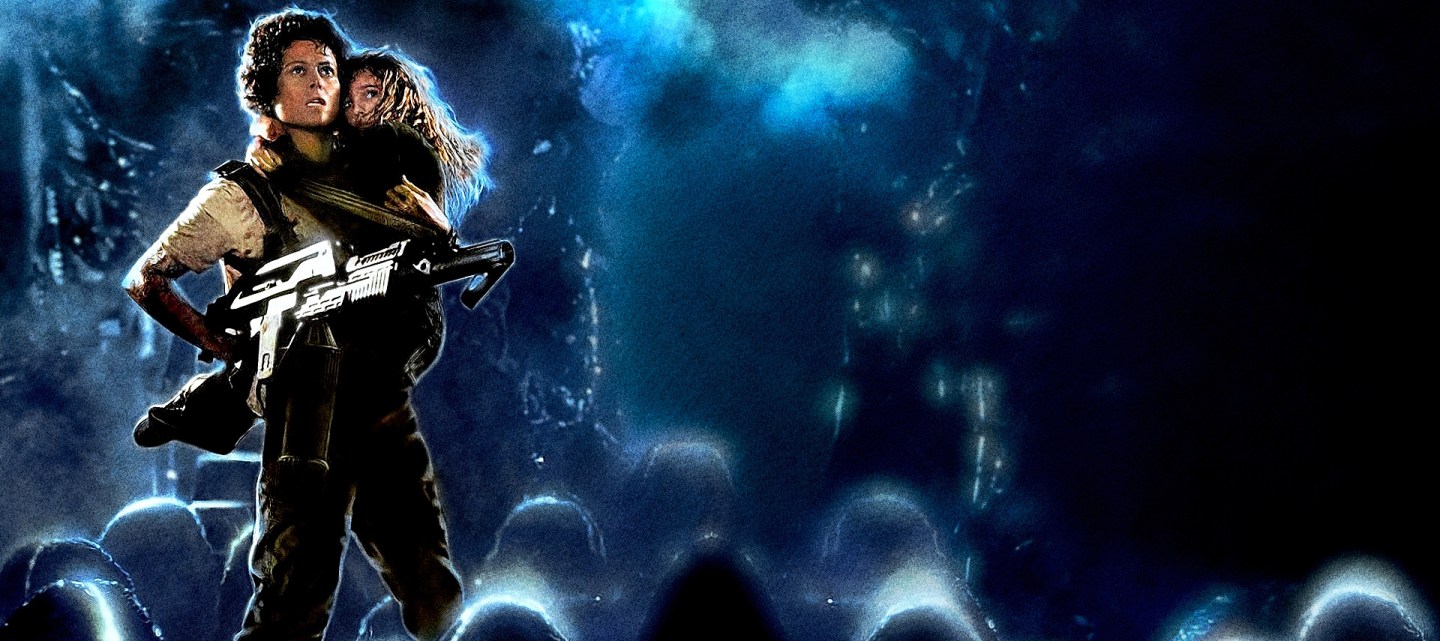
The xenomorph’s new role as ‘survivor’ and ‘protector’ is mirrored beautifully by Ripley’s own expanding character, a sense of personal vendetta replacing the motiveless action of the first movie, resulting in a blockbuster finale that is lent added relevance. It is during that finale that Ripley symbolically emerges from her own cocoon, giving birth to an insatiable warrior who will stop at nothing to rid the colony of the xeno scourge forever, even if it means embracing a little hand-to-hand combat in the movie’s climactic scene. The sight of Ripley embarking on a brutal bout of fisticuffs with the fearsome alien queen is very much in-sync with the action-obsessed 80s, forging a new variation of heroine, one who is not afraid to tackle her indomitable aggressor head-on. The sight of Ripley emerging in a giant, walk-in loader is one of the most iconic and satisfying of the decade. Cameron is a master when it comes to forging those fist-pumping, spine-tingling moments of audience solidarity, and in Aliens he surpasses even himself.
By the mid-1980s, Hollywood was all about bigger is better, which in itself is a precarious philosophy for producing a quality sequel, particularly for something as patient and as exquisitely paced as Alien. The original Ripley was an innovative and groundbreaking character, a ’70s woman redolent of the women’s liberation movement who suddenly finds herself in the chauvinistic ’80s. Aliens takes our resourceful heroine and transforms her into a bad ass to rival the Stallones and the Schwarzeneggers, a sagacious character who deflects the belittling war cries of her condescending allies with a wry smirk and ultimately wins their reverence. The iconic power loader is merely an extension of her ‘take no prisoners’ persona, exemplifying her battle-hardened evolution and proving that, as a woman in a male-dominated arena, she can go toe-to-toe with the best of them. As a sequel that matches the expectations of its predecessor, Aliens is right there with her.
Director: James Cameron
Screenplay: James Cameron
Music: James Horner
Cinematography: Adrian Biddle
Editing: Ray Lovejoy