

Oscar winners, cult road thrillers & exploitative Cannon action… VHS Revival brings you all the retro movie news from February 1986
February 7
In the midst of America’s obsession with Australian culture, Golden Globe and Emmy nominated Aussie actor Bryan Brown emerged to headline self-reflexive practical effects thriller F/X aka F/X Murder by Illusion, released on February 7. Thanks to Mel Gibson and the Mad Max series, pop star Olivia Newton John’s Koala Blue fashion brand, supermodel export Elle Macpherson, Fosters lager commercials starring none other than Crocodile Dundee‘s Paul Hogan, and rock stars INXS and ACDC, as well Qantas direct flights that eradicated arduous multiple layovers for US travellers, it paid to be from the land down under for anyone seeking fame or fortune in the land of opportunity.
Co-starring First Blood‘s equally charming Brian Dennehy as curious NYPD homicide detective Leo McCarthy, F/X follows special effects artist Roland “Rollie” Tyler’s attempts to evade assassination after becoming the shooter in a staged hit that was meant to aid mafia informant Nicholas DeFranco’s safe entrance into the Witness Protection Program. Though given foolproof reassurances by the Department of Justice, an already reluctant Rollie is plunged into a gauntlet of mystery, murder and subterfuge, using every practical effects trick in the book to clear his name in a superbly plotted thriller packed with suspense and memorable performances, giving audiences an insider look into the magical world of Hollywood SFX.

Beginning as an unsolicited screenplay by rookie writers Gregory Fleeman and Robert T. Megginson, F/X was initially pitched as a low-budget TV movie but impressed producer Jack Wiener so much that it was quickly promoted to a fully-fledged feature. Rather than hire an action director in an era of Arnie and Stallone decadence, Wiener hired Off-Broadway director Robert Mandal with the hope of forging characters that audiences cared about, which certainly paid off from a creative standpoint, even if it may explain the movie’s modern-day anonymity. In order to add authenticity to the film’s conceit, James Bond special effects regular John Stears, who would share an Academy Award for his work on Star Wars Episode IV: A New Hope, was hired, resulting in a series of fun and plausible sequences that ultimately lends the movie a unique touch. It’s a shame that this one has fallen into relative obscurity.
Though F/X performed particularly well at various pre-release screenings, managing fairly good numbers at the US box office, executives at Orion Pictures felt that the movie’s true potential was hindered by their choice of title, which in hindsight was considered too vague for mainstream audiences. This would lead to an article in The New York Times entitled “F/X, A Suspense Film with a Mysterious Title”. Had Wiener gone down the mainstream action route, perhaps it would have been a different story commercially, but it’s hard to imagine that such a theoretical alternative would have lived up to Mandal’s movie artistically. F/X, which has to go down as one of the most underappreciated thrillers of its time, managed a not too shabby $20,600,000 on a budget of $10,000,000.
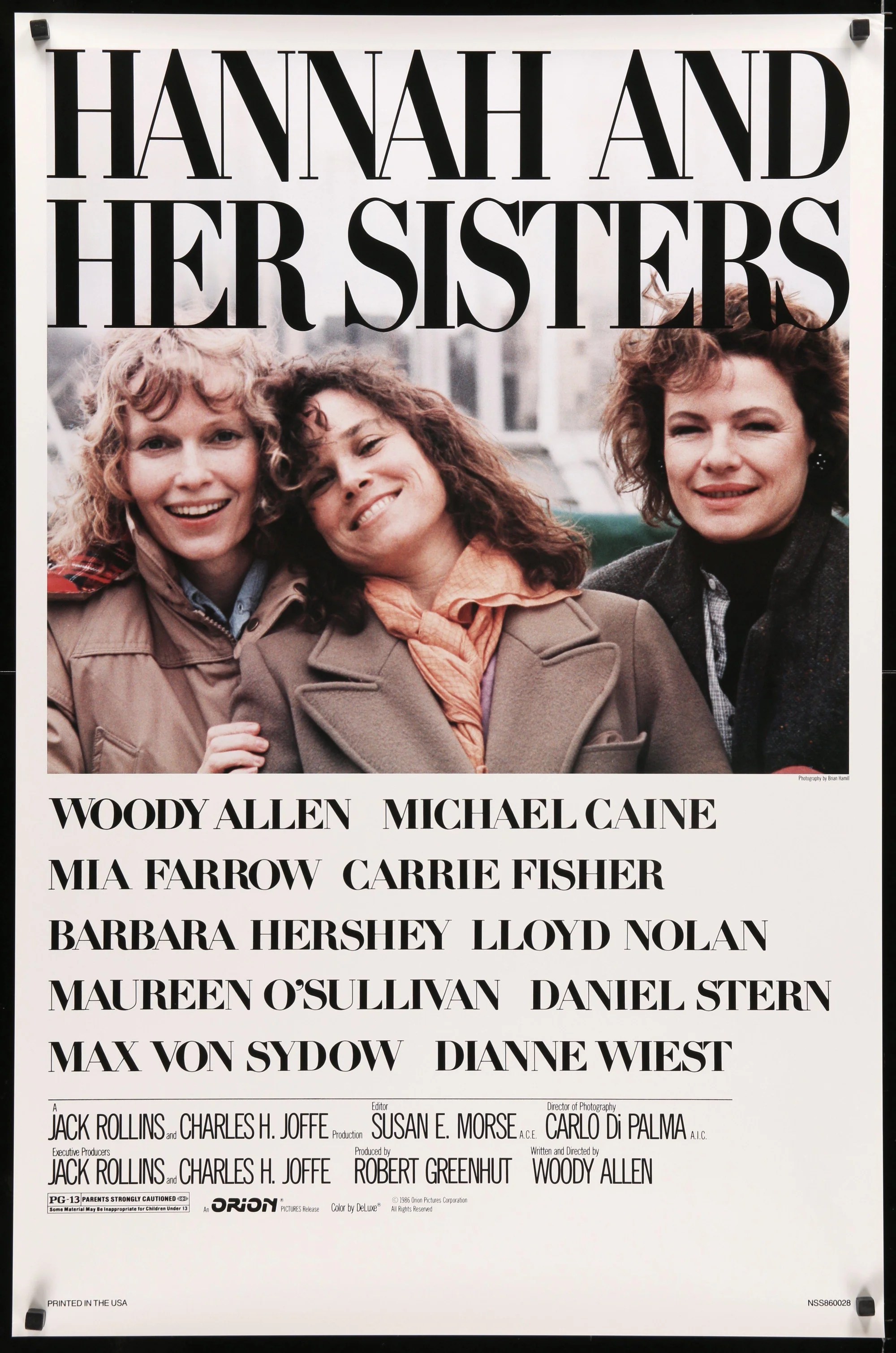
Woody Allen’s multi-Oscar winning dramedy Hannah and Her Sisters, also released on February 7, would become the darling of not only February, but the entire year. Critics were quick to shower Allen’s 15th feature-length picture with praise, the movie appearing on 71 individual top ten lists from a poll of 100 critics. Described as setting “new standards for Mr. Allen as well as for all American movie makers” by Vincent Canby of the New York Times, the screenplay was later named the 95th best ever written by the Writers Guild of America, West (WGAW). In his 1986 review, Pulitzer Prize winning critic Roger Ebert would name Hannah and Her Sisters “the best movie [Woody Allen] has ever made”.
With a structure and background taken from Ingmar Bergman’s Fanny and Alexander and Tolstoy’s epic novel Anna Karenina and utilizing self-contained vignettes, Hannah and Her Sisters takes place over a period of 24 months, chronicling times of contentment, turbulence and resolution. Centering on the eponymous Hannah (Mia Farrow) and bookended by two telling Thanksgiving dinner parties, the movie involves her husband Elliot’s infatuation with her sister Lee (Barbara Hershey), with whom he has an affair, and her hypochondriac ex-husband’s rekindled relationship with her other sister Holly (Diane Wiest). Featuring an ensemble cast of almost equal importance, the movie depicts the spiritually debilitating distractions of big city life with an incredibly assured directorial style.

Farrow, who had been in a relationship with Allen since 1980, wasn’t a fan of the script, calling it “self-indulgent and dissolute in predictable ways”. In her 1997 autobiography What Falls Away: A Memoir, Farrow would elaborate on her feelings, explaining, “It was my mother’s stunned, chill reaction to the script that enabled me to see how he had taken many of the personal circumstances and themes of our lives, and, it seemed, had distorted them into cartoonish characterizations. At the same time he was my partner. I loved him. I could trust him with my life. And he was a writer: this is what writers do. All grist for the mill. Relatives have always grumbled. He had taken the ordinary stuff of our lives and lifted it into art. We were honored and outraged.”
Affairs would only grow worse for the pair. Five years prior to the book’s release, Farrow alleged that Allen had sexually molested their adoptive daughter Dylan Farrow, then aged seven, in Mia Farrow’s home in Bridgewater, Connecticut. This was eight months after Farrow had been made aware of Allen’s sexual relationship with another of her adoptive daughters, Soon-Yi Previn, who he would eventually marry in 1997. Allen, who denied all allegations made against him, cited his relationship with Previn as his ex-partner’s motivation for claims that he insisted were an act of vengeance. Previn was 21 years old when Farrow was made aware of her relationship with her former father figure.
Hannah and Her Sisters was nominated for seven Academy Awards, winning three for Best Screenplay (Allen), Best Actor in a Supporting Role (Caine) and Best Actress in a Supporting Role (Wiest). It also proved a huge box office success, managing a domestic gross of $40,100,000 on a budget of $6,400,000
February 14
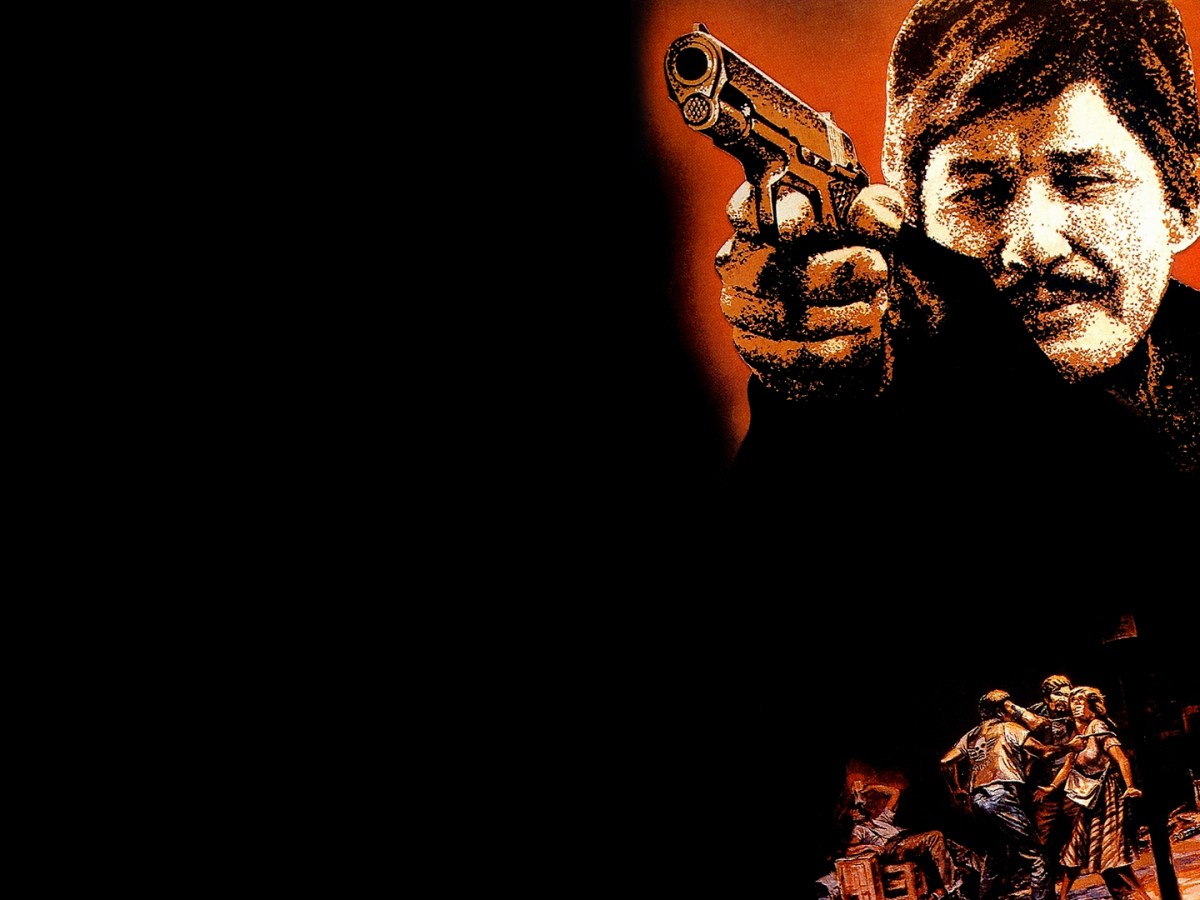
Golan-Globus and the always respectable Cannon Films returned with arguably their most exploitative movie to date on February 14, and given this is the same production pair who brought us the quasi-fascist, deeply misogynistic Death Wish II, that’s quite the achievement. Incidentally, Death Wish headliner Charles Bronson was set to star in The Delta Force alongside Chuck Norris but was forced to drop out due to prior commitments to Act of Vengeance, a TV movie notable for starring an incredibly young Keanu Reeves in an early role.
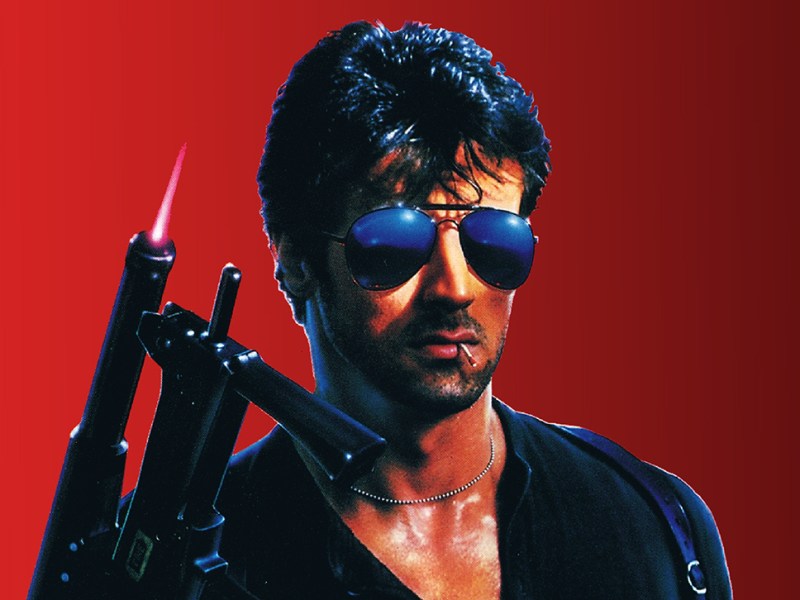
Golan-Globus had designs on making Norris their marquee attraction as they looked to further compete in Hollywood, later striking an ill-fated, two-movie deal with megastar Sylvester Stallone for the highly successful vigilante flick Cobra and the poorly received, arm wrestling road movie Over the Top, though their efforts would ultimately crumble under the weight of mainstream failures Masters of the Universe and Superman IV: The Quest for Peace. “We look at Chuck as having the potential of a Clint Eastwood,” Menahem Golan would say. “His acting talent is getting better. He’s in the right style, and he’s very popular.”
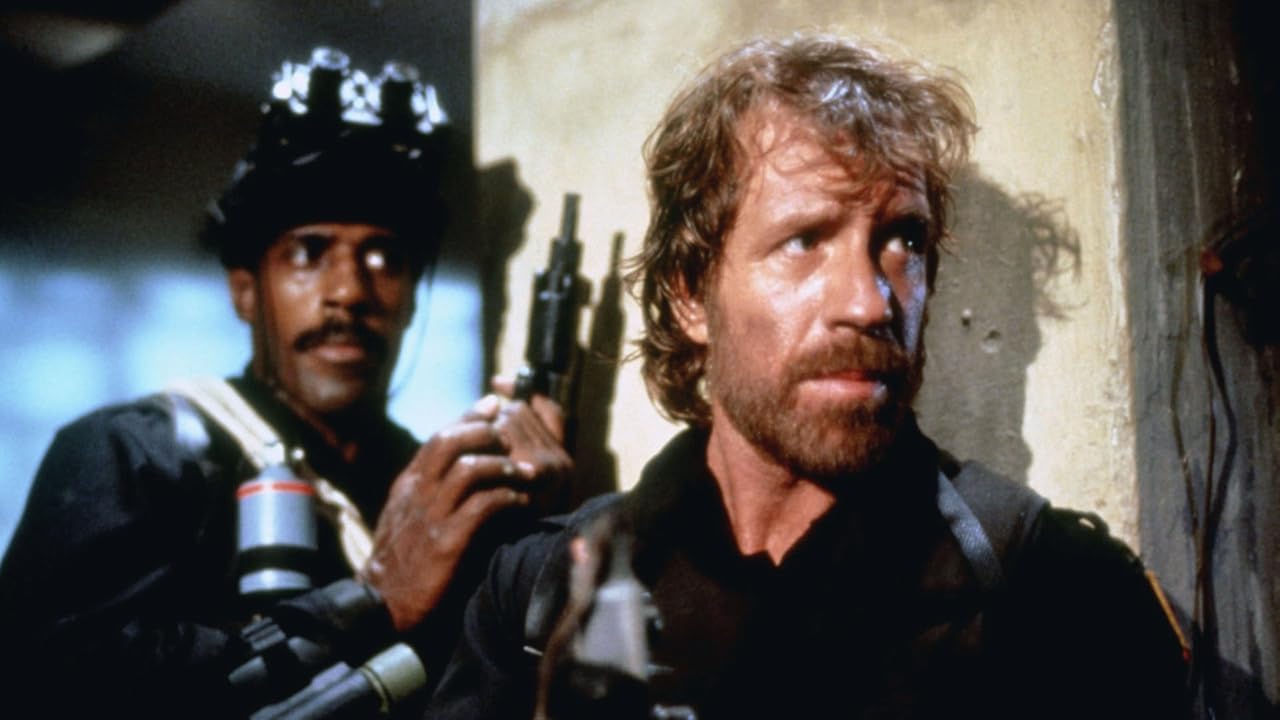
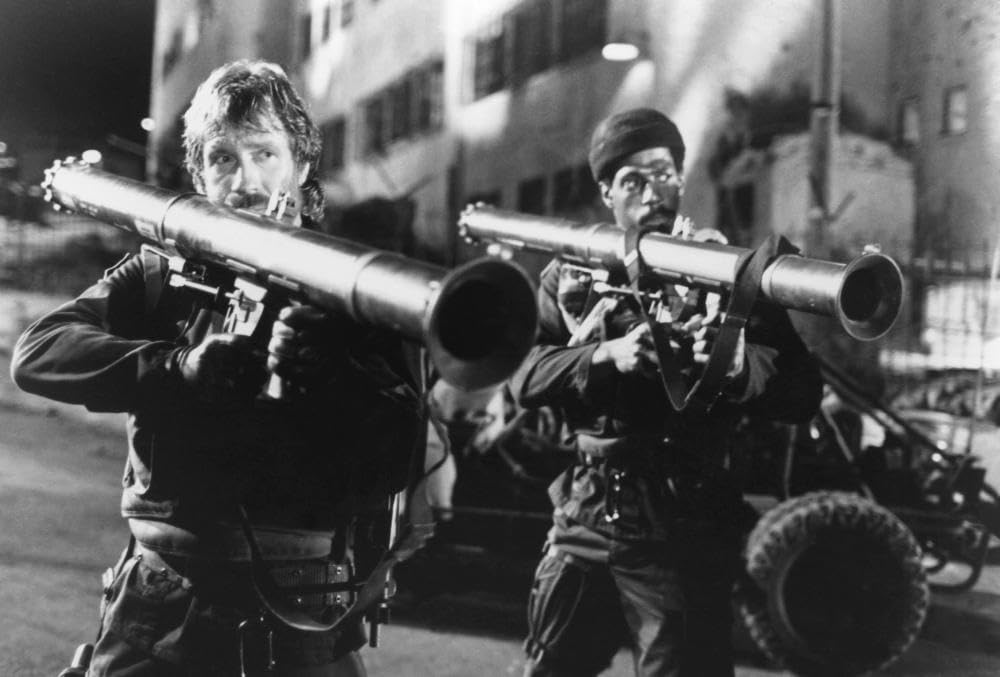
The Delta Force is actually a well made movie by Cannon standards, with an increased budget compared with their typical output, though true to form it soon descends into maudlin melodrama, priceless overacting and barrels of jingoistic machismo delivered with lashings of gun-toting violence. Inspired by the June, 1985, TWA (here renamed ATW) Flight 847 hijacking and the resultant hostage crisis, the movie received a surprising three star review from Roger Ebert, who wrote, “[the film’s] docu-drama approach gives an eerie conviction to the movie, although later, after Chuck Norris and Lee Marvin arrive on the scene, there’s not much we would mistake for reality. The movie caters directly to our national revenge fantasies; in ‘The Delta Force,’ the hijacking ends the way we might have wanted it to.”
Ex-military man and world famous martial artist Norris was the perfect choice for a movie that, despite its clunky political approach and attempts at re-writing history, proves thoroughly enjoyable as a mindless slice of action hokum. The star, who would never quite reach the mainstream status that Golan-Globus craved, was unusually outspoken about the events surrounding Flight 847, saying in an interview with the Sun Sentinel, “What we’re facing here is the fact that our passive approach to terrorism is going to instigate much more terrorism throughout the world. I would have sent the Delta Force immediately.”
Directed by Friday the 13th: The Final Chapter‘s Joseph Zito and co-starring Lee Marvin, American Ninja‘s Steve James, Robert Forster, Shelley Winters and The Naked Gun‘s George Kennedy, The Delta Force would manage reasonable box office returns of $17,760,000 on a budget of approximately $9,000,000.
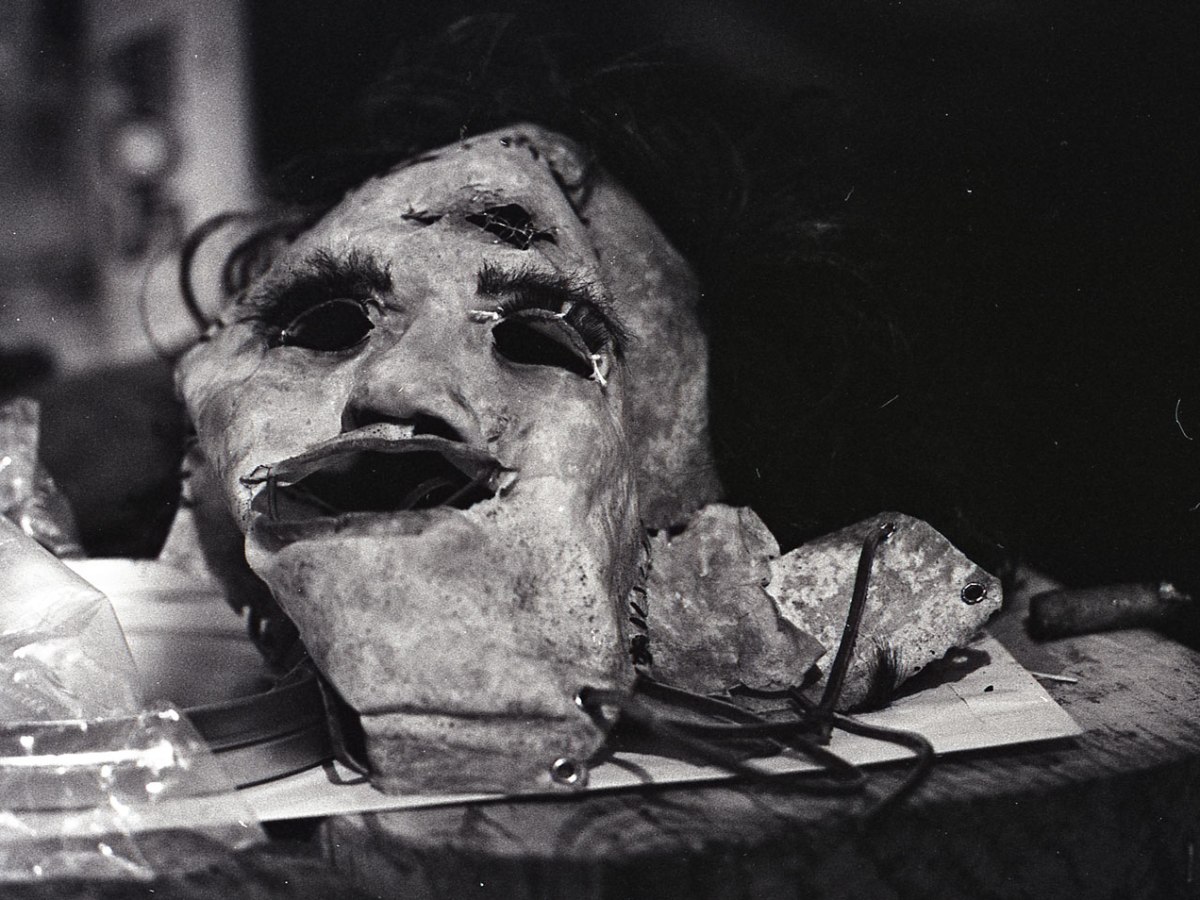
Tapping into the popular horror-through-appliances sub-genre popularized by Tobe Hooper’s Spielberg backed, supernatural classic Poltergeist, Ted Nicolaou’s alien-based, science-fiction horror-comedy Terrorvision also hit theatres on February 14 to very little fanfare. Incidentally, Nicolaou had previously worked as a sound recordist on Hooper’s seminal slasher progenitor The Texas Chainsaw Massacre.
Produced by Charles Band’s cult B-movie company Empire Pictures, which would deliver such low-rent classics as Trancers (1984), Eliminators (1986), Dolls (1987) and Robot Jox (1990), Terrorvision is similarly bonkers, following the comedic mishaps of the Putterman family, whose home is invaded, via satellite signal, by a ghastly mutant named Hungry Beast. After eating grandpa Putterman during a family movie night, Beast then proceeds to wreak havoc after entering the Putterman home through the TV set, committing all kinds of carnivorous and shapeshifting monstrosities. Featuring swinger parents, casual child abuse and some truly laughable practical effects, the movie is as mad as it sounds.

In-line with Band’s spendthrift production model, Terrorvision was shot back-to-back in Italy with former special effects artist and future Friday the 13th Part VII: The New Blood director John Carl Buechler’s classic cheapo horror Troll, a movie most notable for producing a sequel that many regard as one of the worst movies ever made, so much that so that Italosleaze director Claudio Fragasso’s Troll 2 would inspire a 2009 documentary titled Best Worst Movie.
Made on a miniscule budget, Terrorvision was hammered by critics. Janet Maslin of the New York Times called the movie “stupidly smug” and “campy without being the least bit clever”, while Variety dismissed it as “an uninvolving sci-fi thriller comedy that relies heavily for its shock value on gooey monster effects rather than cinematic finesse”. Unsurprisingly, Terrorvision would manage a woeful box office return of $320,256.
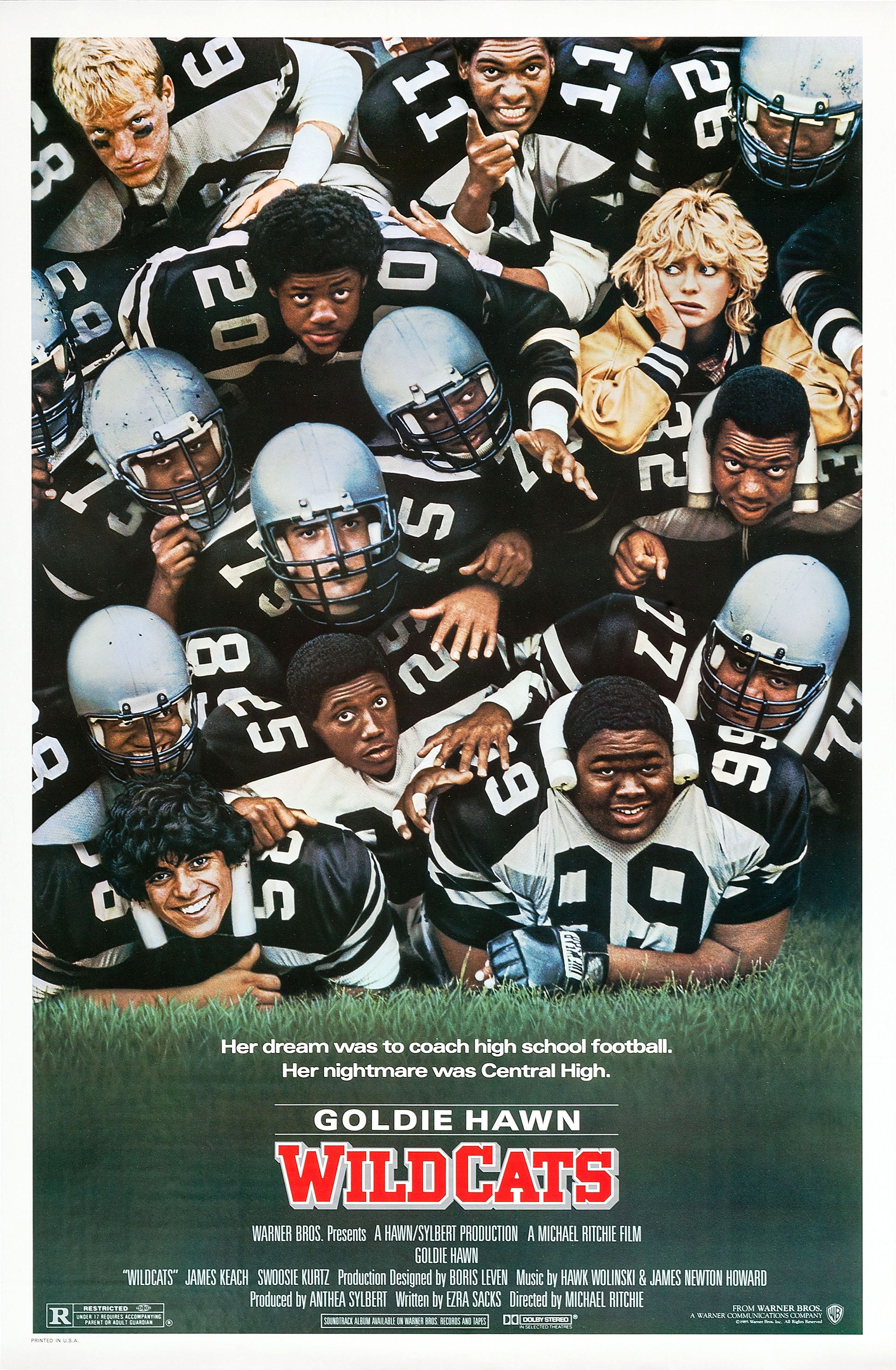
Producers once again tried and failed to reproduce the wild success of Goldie Hawn’s 1980 comedy Private Benjamin with Michael Ritchie’s half-assed sports comedy Wildcats, which though missing the mark considerably, still proved to be the week’s most successful release, managing an overall box office return of $26,285,540.
Criticized for a lack of plot and an overdependence on its gimmicky premise, the movie casts Hawn as Molly McGrath, the daughter of a famous football coach who vacates her position at an affluent high school in pursuit of a long-suppressed dream to follow in her father’s footsteps, the kind of masculine endeavour that didn’t come easy to women in the mid-1980s. To make things even more difficult, McGrath lands at a tough, inner city Chicago high school, where she quickly becomes the victim of gender and racial prejudice, before inevitably overcoming the odds thanks to her can-do spirit and ability to win over super-talented delinquent Phillip Finch (Tab Thacker).
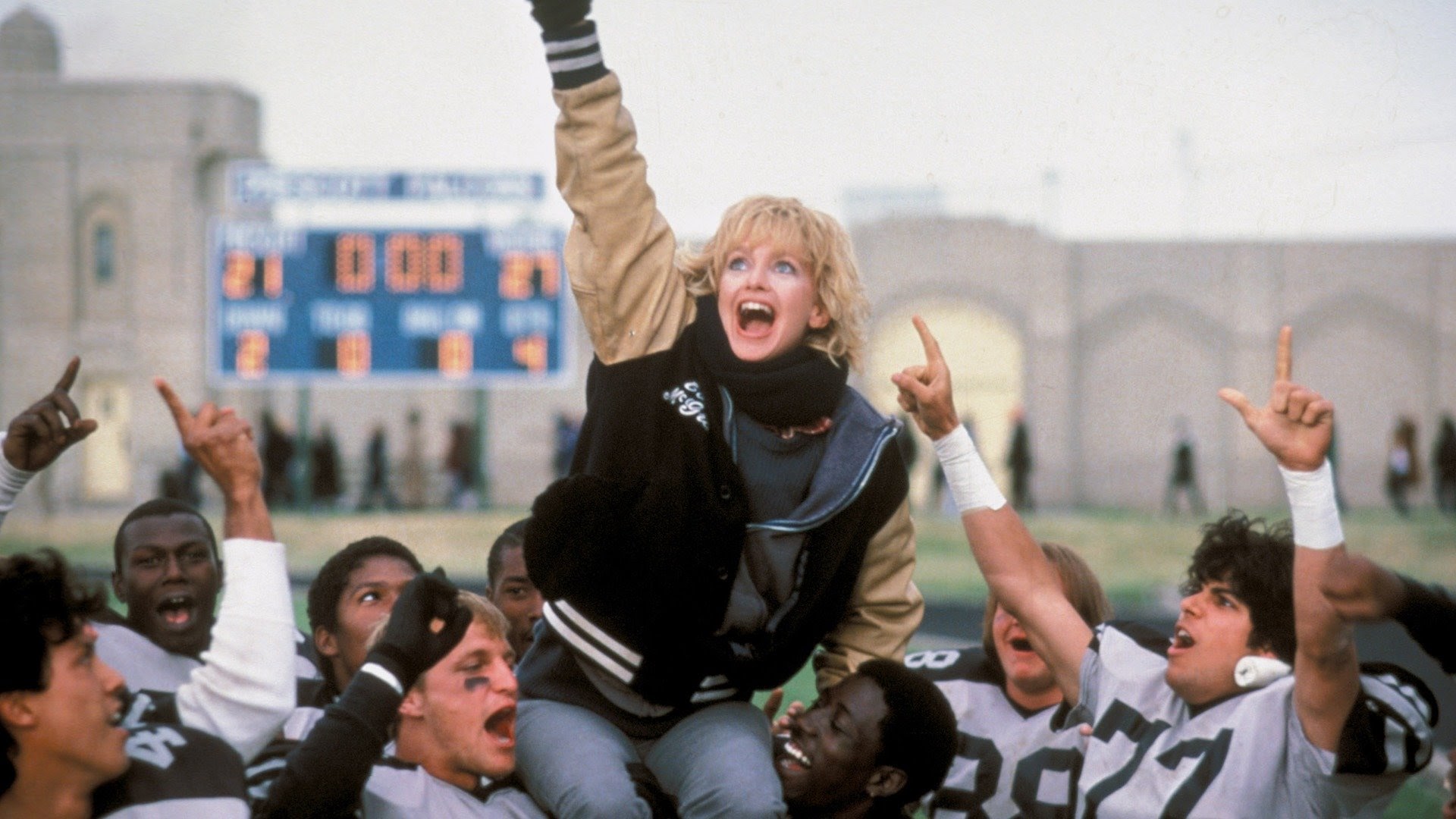
Wildcats received widespread negative reviews for its cardboard characters and lack of emotional insight, the film relying too heavily on Hawn’s past glories in similar roles. Roger Ebert would write of the movie, “The filmmakers, the producers and Hawn herself bought the premise instead of looking for the plot. The problem with the movie is that they started with a character description instead of with a story. The fact that Hawn plays a boys’ football coach is not in itself interesting. Her relationship with the team would have been interesting, if they’d developed one.”
Reducing Hawn to type and giving her very little to work with comedically, Wildcats would feature a predominantly black cast, including early appearances from future superstars LL Cool J and Wesley Snipes, which would ultimately land the film in some cultural hot soup. Resorting to the ‘white saviour’ narrative later found in such mainstream hits as Dangerous Minds and Finding Forrester, Wildcats has been criticised as racially and culturally insensitive in the years since its release. It certainly doesn’t hold up well.
February 21
The late Rutger Hauer gave one of his most devilish performances in Robert Harmon’s twisted cat and mouse road thriller The Hitcher, released on February 21. Co-starring C. Thomas Howell as a naive, fresh-faced city boy trailed by Hauer’s non-discriminatory psychopath, the movie would garner a cult following years after its release. Hauer exudes an elusive, almost supernatural air during a breathless duel across the West Texas desert that, though criticized for its violence, leaves more to the imagination than you may recall, and to its credit.
Penned by Near Dark scribe Eric Red, The Hitcher was inspired by The Doors classic Riders on the Storm, which in terms of aura breathes the same air. Red was embarking on a cross country trip of his own when the initial idea for the film was conceived, and completed the script in 1983 while working as a cab driver during a seven-month stay in Texas. Red wrote a letter to several Hollywood producers in an attempt to sell his screenplay, writing, “It grabs you by the guts and does not let up and it does not let go. When you read it, you will not sleep for a week. When the movie is made, the country will not sleep for a week”. Fair warning.

The original script for The Hitcher left a lot less to the imagination, but was reworked by script development executive David Bombyk, who liked Red’s vision but feared that it was too violent to appease producer Ed Feldman. In an era of slasher oversaturation, he also wasn’t keen on making yet another slice and dicer, seeing the film as a thriller with more depth than your typical exploitation picture. Red and personal manager Kip Ohman would spend six months reworking the script, culling any instances of what they considered to be repetitive violence, and the screenplay was soon picked up by production executive David Madden of 20th Century Fox. David Bowie, Sting, Sam Shepard, Harry Dean Stanton, and Terence Stamp were all considered for Hauer’s role. Unfortunately, the movie bombed, failing to break even with a domestic gross of $5,800,000 on a budget of $7,900,000.
Released during America’s HIV pandemic and a wave of hard-right Christian conservatism, The Hitcher has been labelled as a ‘gay panic’ movie in some quarters, the young and pretty Halsey becoming the object of Ryder’s taboo sexual desires. It certainly makes sense. Much like Jack Sholder’s similarly controversial Freddy’s Revenge, released a year prior, it’s uncommon and somewhat refreshing to have a male protagonist in what is essentially a road movie-come-slasher, a genre renown for its ‘final girl’ trope.
Despite its breathtaking pace and compelling pursuit, The Hitcher was hammered by many critics, particularly for its lack of a traditional motive, the screenplay pegged as nihilistic and without consequence, but like Steven Spielberg’s similarly breathtaking debut Duel, to which the film holds more than a passing resemblance, sometimes the less we know about a pursuing menace, the better.
Released a full two years after its completion due to the concerns of American distributor Metro-Goldwyn-Mayer regarding its sexually explicit content, Adrian Lyne’s contentious erotic drama 9½ Weeks was finally unleashed in theatres on February 21.
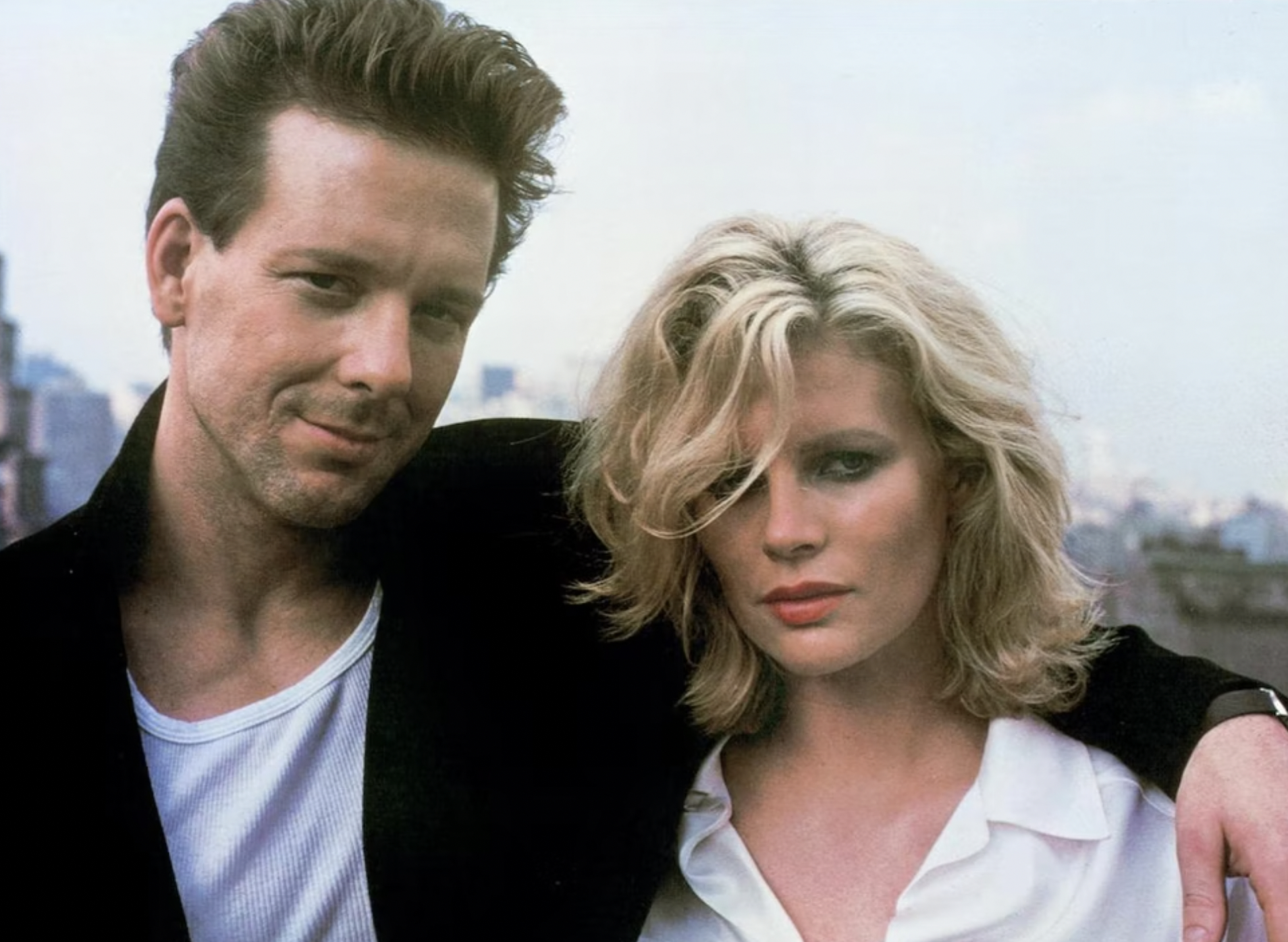
Starring Kim Basinger as a SoHo art gallery employee and Mickey Rourke as the mysterious Wall Street broker with whom she has a brief and intense affair, the movie was originally conceived as an adaptation of Ingeborg Day’s novel Nine and a Half Weeks, though the book’s sadomasochistic themes were considered too strong for mid-1980s audiences in an era when fetishes were still very much a taboo subject, particularly in an era of Aids related sexual conservatism.
9½ Weeks was still plenty taboo for its time. Basinger claimed that her audition, in which she was made to crawl like a prostitute groveling for money, acting out one of the film’s most problematic scenes, was so demeaning and humiliating that she ultimately left in tears. Lyne would take a similarly controversial approach to shooting. Rehearsals were scrapped in favour of first-time meetings between actors and off the cuff performances. Fights inevitably broke out between Basinger, Rourke and Lynn to the extent that shooting fell behind schedule at a cost of $500,000, though Rourke later claimed that such tensions worked to the film’s advantage.
The Motion Picture Association of America (MPAA), who had decimated the slasher genre during the early part of the decade, took a hard line with Lyne’s movie, which had already stirred up massive amounts of controversy in the media, lumbering the original cut with the dreaded X rating. MGM were forced to remove a total of three minutes in order to pass the film for an R rating in North America.
Though 9½ Weeks fared reasonably well critically, it was also nominated for three Razzie Awards, including Worst Actress (Basinger) and Worst Screenplay. Though the film performed poorly domestically, it proved a huge smash internationally in a more uncut form, with a worldwide gross of $100,000,000, and would gain further traction on the rental market. Basinger and Rourke would become huge international stars as a consequence.
February 28
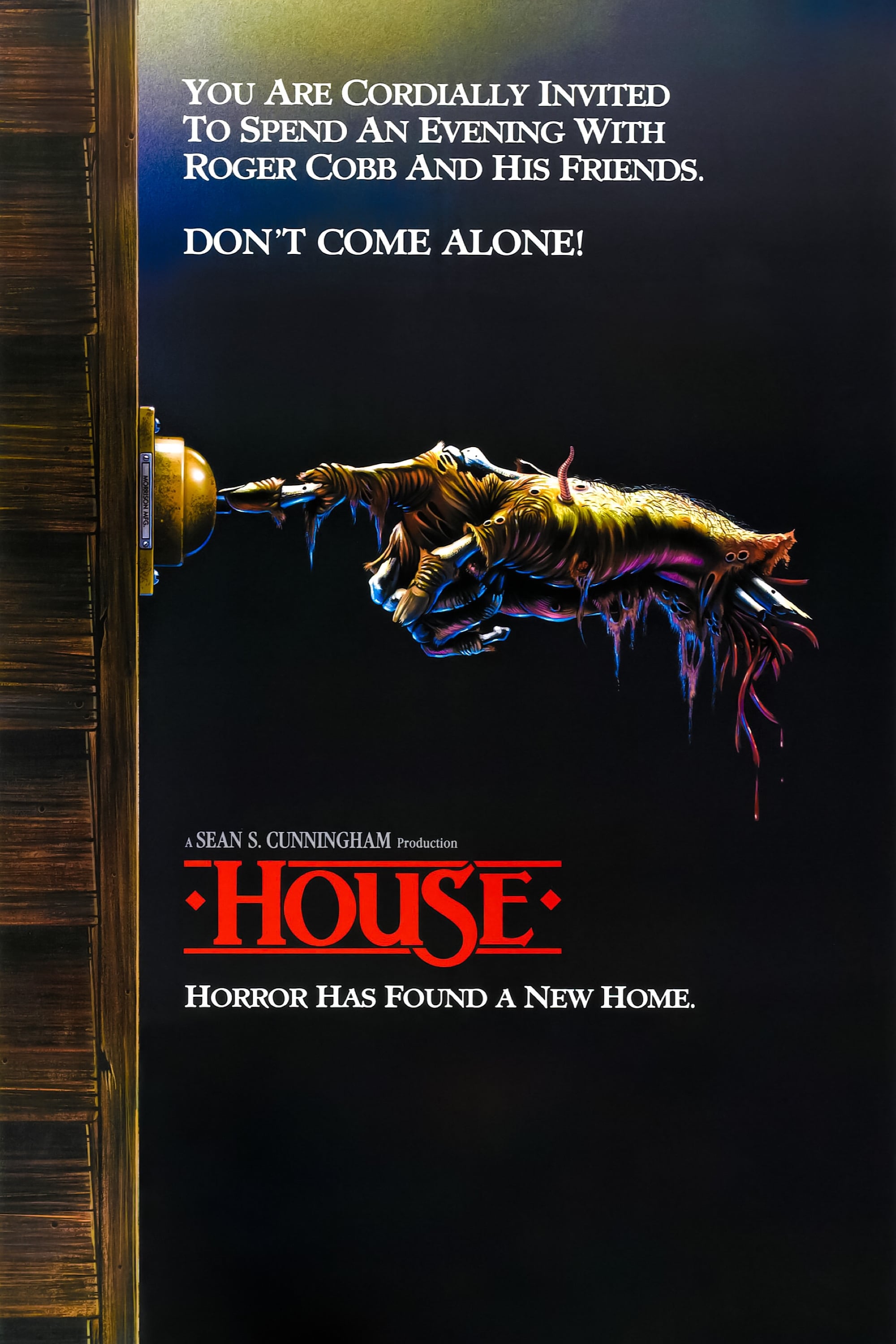
February’s most successful horror movie came in the form of former Friday the 13th series director Steve Miner’s, Fred Dekker penned supernatural comedy horror House. The movie would lead to an eclectic series of sequels that are notorious for having little-to-no connection, including 1989’s priceless A Nightmare on Elm Street derivative House III: The Horror Show.
The story of a troubled author who moves into his late aunt’s haunted mansion while attempting to deal with the loss of his son, the movie would receive mixed reviews, many of the more negative comments concerning the film’s often silly nature while tackling themes of grief and war-related trauma, which ultimately feel out of place, though like many out-there 80s horrors, House has garnered something of a cult following. It also benefitted from one of the more memorable posters of the era.

With a budget of approximately $3,000,000 to play with, the film’s practical effects proved much more appealing. A number of impressive monsters were created for the titular house of horrors, most notably Richard Moll’s Big Ben, the giant, zombified corpse of protagonist Roger Cobb’s former war buddy, who once begged Roger for a mercy kill that never came, leading to his capture and torture at the hands of the Viet Cong. The movie’s closet-bound ‘War Demon’ is even more impressive. A fully mechanized, eighteen-foot tall creation operated by an incredible fifteen people, it featured a fully operational bowel system that remains a sight to behold almost half a century later.
Though lacking any real sense of cohesion, House is worth a look just for the madhouse visuals on display, and word of mouth certainly proved as much, Miner’s low-key treat earning itself quite the payday. Screening in 1,440 theatres following a successful limited release, House managed an unexpectedly impressive $5,900,000 during it opening weekend (wide release), trailing only the final movie in this article. Things would only get better for New World Pictures and Sean S. Cunningham Films, House raking-in a further $16,200,000 for a total worldwide gross of $22,100,000, an impressive return for a low-budget, non-franchise horror released in 1986.
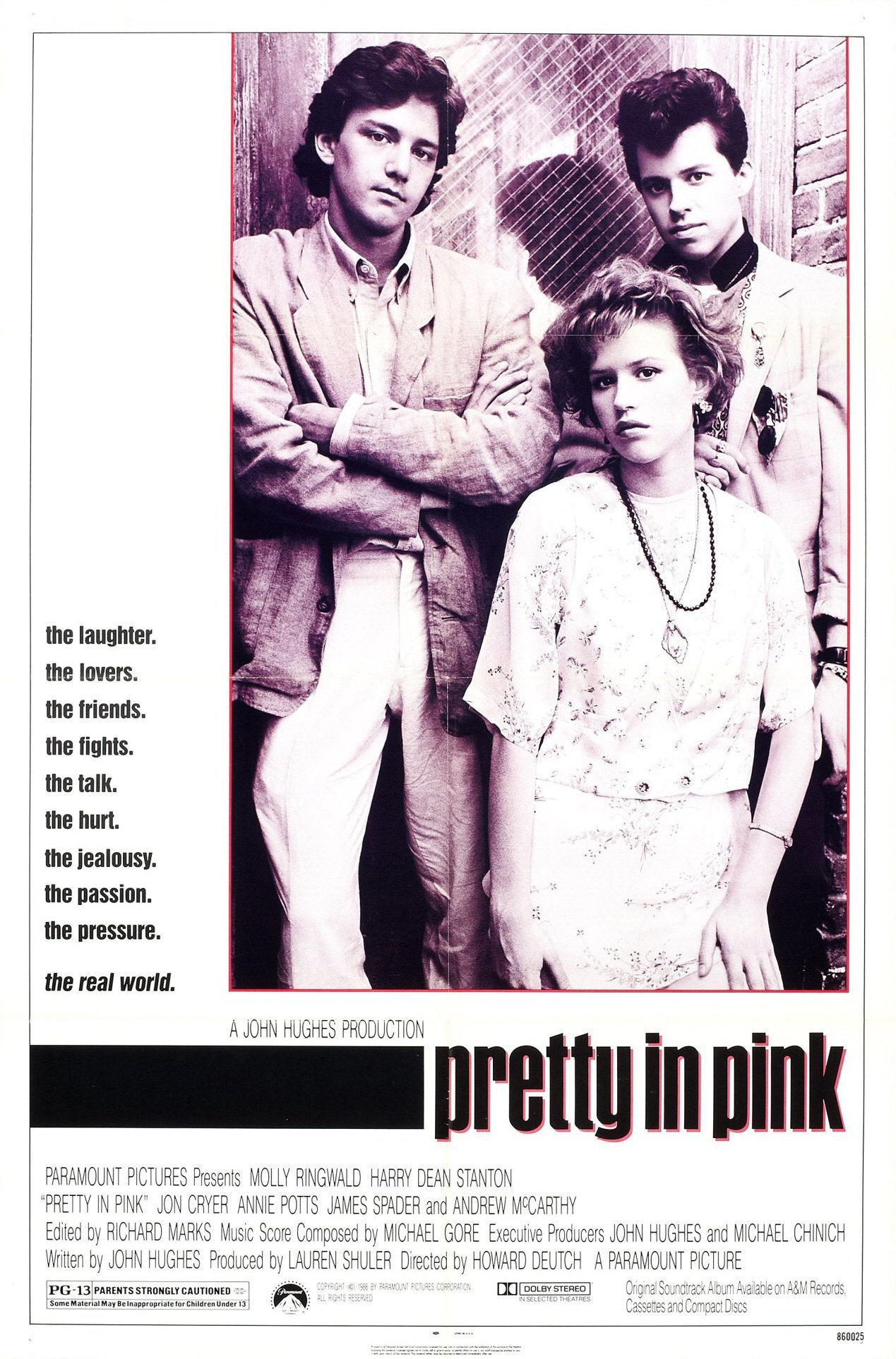
John Hughes would continue his incredible 80s run as a writer/director by penning Howard Deutch’s teen comedy drama Pretty in Pink, released on February 28. Hughes would garner a reputation as one of the best in the business with his keen understanding of adolescence, making films about teenagers, for teenagers, the kind that understood 80s teen vernacular and refused to talk down to their target audience. In the space of four years, Hughes would direct his acclaimed debut Sixteen Candles, MTV-styled powerhouse The Breakfast Club, riotous sci-fi comedy Weird Science, cult favourite Ferris Bueller’s Day Off, Some Kind of Wonderful, and arguably his greatest achievement, 1987’s cherished Thanksgiving road movie Planes, Trains and Automobiles. Now that is some resume.
Also produced by Hughes, Pretty in Pink was titled after The Psychedelic Furs’ 1981 New Wave song of the same, which was re-rerecorded to coincide with the movie’s release. Music was always a big factor in Hughes’ films at a time when the increasingly popular music video, thanks to the launch of cultural phenomenon MTV, found its way not only into the promotion of movies, but into their stylistic presentation. Featuring tracks from 80s pop luminaries such as New Order, Suzanne Vega, Nik Kershaw and The Smiths, the soundtrack is considered one of the best compilations in movie history. Orchestral Manoeuvres in the Dark’s “If You Leave” became an international hit because of the movie, reaching number four on the US Billboard Hot 100.
Ringwald claims that she introduced Hughes to Pretty in Pink, which inspired him to write the screenplay, and though the song can be interpretated in a way that fits the movie’s themes of high school cliques and attitudes towards social class, songwriter Richard Butler revealed the song to have a much darker meaning. “The song is about a girl who sleeps around a lot and thinks that she’s popular because of it. It makes her feel empowered somehow and popular, and in fact, the people that she’s sleeping with are laughing about her behind her back and talking about her,” he would explain.

Commonly labelled a ‘Brat Pack’ film due to its cast of 80s teen pin-ups, Pretty in Pink stars The Breakfast Club‘s Molly Ringwald – who was influential in the hiring of co-star and fictional love interest Andrew McCarthy instead of original choice Charlie Sheen – Harry Dean Stanton, Jon Cryer, Annie Potts, James Spader and Kristy Swanson. Hughes go-to star, the precocious Antony Michael Hall, turned down the role of Duckie, eventually played by Cryer, as he didn’t want to be typecast as the also-ran nerd, which certainly was not an accurate reflection of his real-life party persona.
Pretty in Pink‘s original ending, which would see Ringwald’s Andie Walsh and geeky confident Ducky, who was relegated to the romantic shadows for much of the movie, end up together, but poor test screenings meant that plans were changed to have the working class Andie and wealthy preppy Blaine as the film’s romantic focal point. Concerns regarding classism were also a factor. The vociferous booing that the original cut received was a reaction that Ringwald had predicted. “It didn’t make sense to have the entire movie be this Cinderella story [yet] she doesn’t get to end up with the guy she wants,” she would say of her character.
Pretty in Pink received lukewarm reviews for its largely one-note performances, conventionality and an emphasis on trendiness, though Ringwald was almost universally praised for carrying the movie, her performance described as “absolutely beguiling” by Chicago Tribune critic Gene Siskel. Boosted by the involvement of Hughes and his go-to female lead, Pretty in Pink did impressive numbers at the box office, with returns of $40,500,000 on a budget of only $9,000,000. The movie is now regarded as a cult classic thanks in large part to its sense of 80s style and memorable, nostalgia-loaded soundtrack.











 vhsrevival.com