
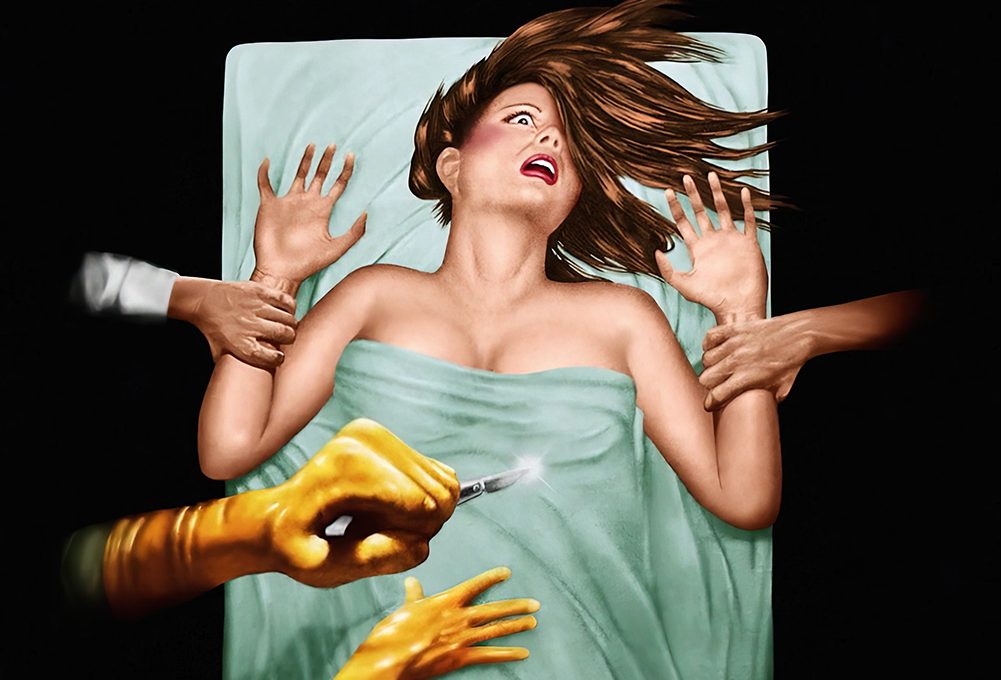

Director: Boaz Davidson
18 | 1hr 29min | Horror, Slasher
Some twists are so obvious you don’t see them coming, or, in the case of Hospital Massacre, you do see them coming, but by the time that twist arrives you’ve forgotten all about it thanks to the 80 minutes of unreserved madness that preceded it. Come to think of it, there is no real twist in Hospital Massacre, just a blatantly obvious set-up and a plain-as-day pay-off. There are a plethora of possible culprits, but the face of our semi-masked killer is so visible that it’s clearly none of the candidates dangled so clumsily in front of us. It’s all so blatant, misguided and ineffective. If you want to know how to take one of film’s most basic sub-genre’s and fuck it up beyond all comprehension, ask Golan-Globus and the gloriously second-rate Cannon Group, because this is one of the lamest, silliest slashers ever committed to celluloid. It’s a total laugh-riot.
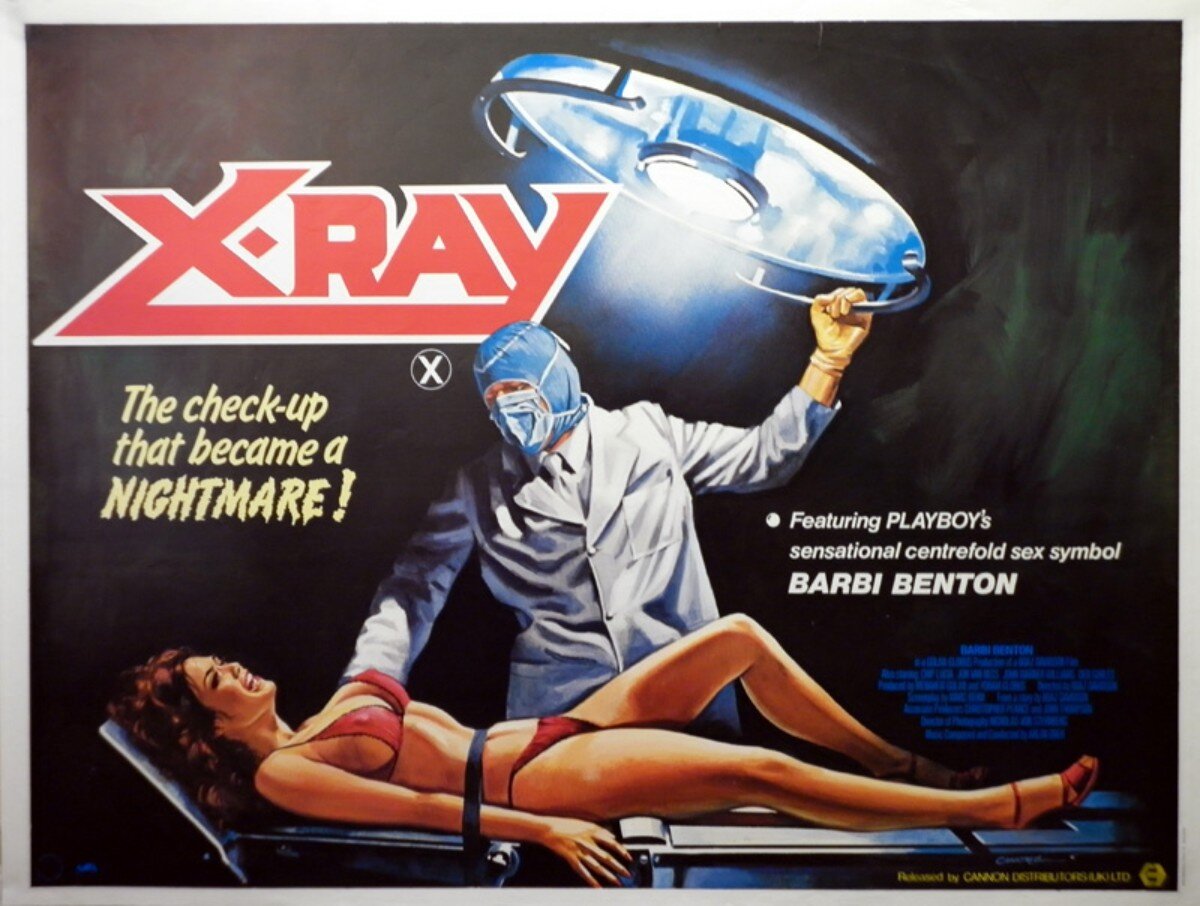
Hospital Massacre is another slash-by-numbers feature buried beneath the reams of explicit VHS tape, one that retains a certain charm thanks to its impossibly beautiful leading lady, Barbi Benton, a former glamour model who smoulders so hard she threatens to melt the screen. It also possesses that ‘so bad it’s good’ quality, the kind that has left stoners and movie geeks spellbound for decades. Many of us mourn the loss of those days, a time when directors threw caution to the wind and just made movies, inspiring all kinds of filmmakers to produce all kinds of craziness. There’s still a market for such movies, but it’s much more intentional and self-aware, an ironic throwback to more innocent times. Hospital Massacre’s silliness is less a concerted effort, more a by-product of a growing VHS market and an abundance of hack filmmakers looking to exploit a low-risk sub-genre that was doing incredible numbers at the turn of the 80s. When it comes to accidental hilarity, the 80s home video boom is an absolute goldmine.
Due to its cheap and derivative nature, the slasher has always provided its fair share of giggles, as have cult B-movie distributors Cannon, who even in their late-80s commercial pomp, a brief period that saw them team with Sylvester Stallone and run the Superman franchise into the ground with the notoriously crappy Superman IV: The Quest for Peace, were always glorified purveyors of second-rate sleaze. Tobe Hooper’s wholly self-aware The Texas Chainsaw Massacre 2 notwithstanding, the slasher proved but a footnote in Cannon’s eye-wateringly abundant back-catalogue, with only Schizoid, New Year’s Evil and Hospital Massacre to their name during the genre’s initial boom. Those films were wildly dissonant and underwhelming to say the least, but you can’t argue with the business logic.
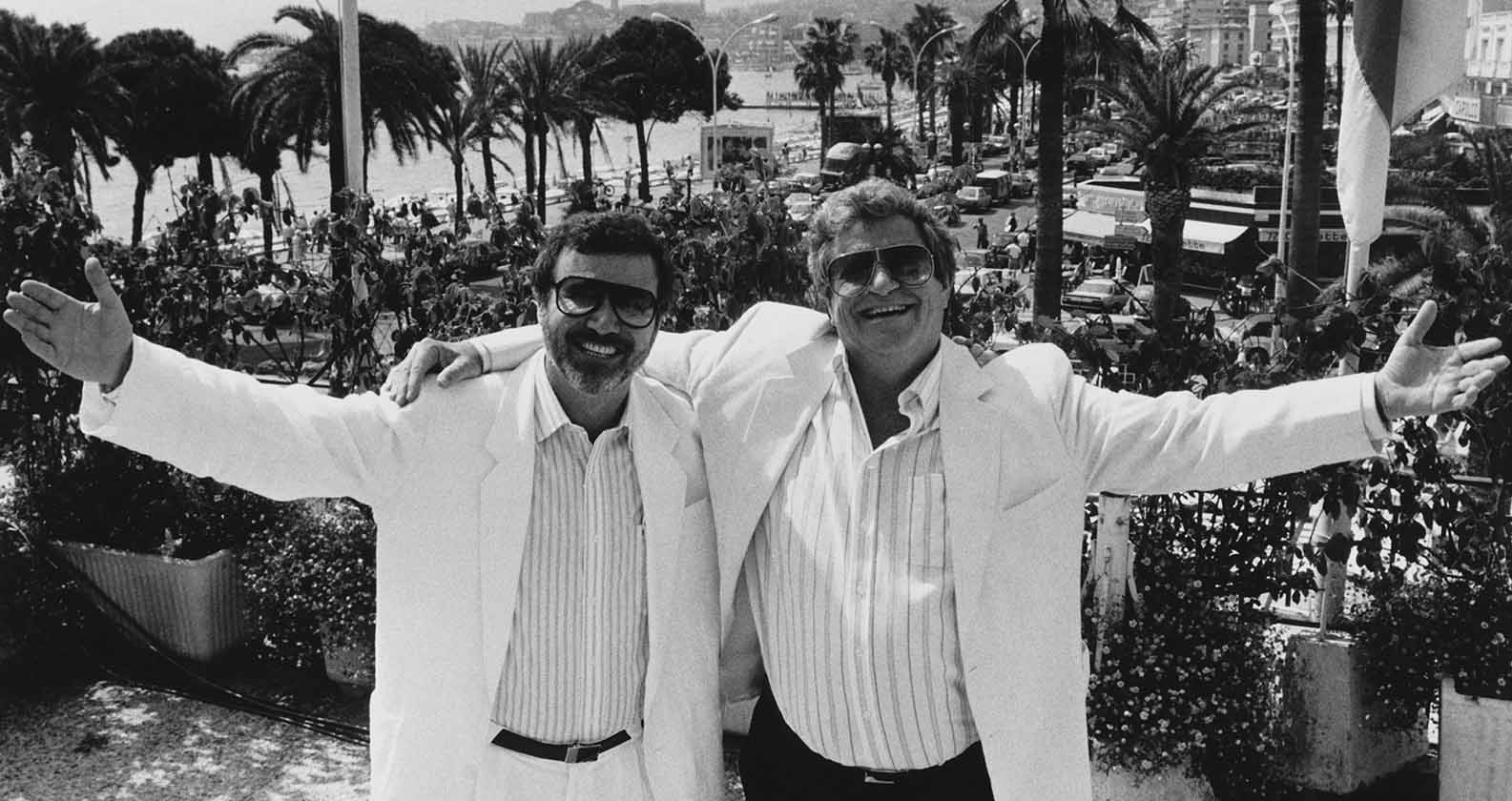
When Israeli cousins Menahem Golan and Yoram Globus bought the cash-strapped Cannon Group at the turn of the 80s, they had a very different business model in mind. Founders Dennis Friedland and Chris Dewey had peddled soft porn before upping the stakes by producing larger scale movies on a tight budget. They’d been prudent and had failed. But Golan-Globus had bigger ambitions, and in the burgeoning home video market they saw their chance to get off the ground. Ultimately, it was the niche martial arts genre and patriotic, low-budget action vehicles that proved their bread and butter among a myriad of transparent derivatives, but it was the slasher, perhaps more than any other genre, that fit their bargain-basement profile.
As well as being cheap and hugely popular, the slasher was also rather straightforward from a creative standpoint ― at least in theory. Slasher fans don’t have high expectations from a critical perspective, but they demand certain staple ingredients, the kind that Golan-Globus and director Boaz Davidson, a last-minute replacement for an original director who reneged on some production funding, got mostly right. For a genre that thrives on skimpily-clad beauties, the casting of Benton, who was more than happy to shed her skimpies, was something of a masterstroke. So irresistible was Benton in her nubile prime that she purportedly persuaded perennial ladies man and glorified pimp, Hugh Hefner, to buy the Playboy Mansion. That’s no mean feat.
Benton was something of an American icon during the 1970s, and not only through her relationship with Hefner, who was so smitten with the young model that the two almost married before the famous philanderer’s insatiable appetites got in the way. Benton was offered a role in the television comedy-come-country music variety show Hee Haw at the turn of the decade, winning the hearts of the nation with her inimitable sense of humour, surprisingly credible vocal talents and American-as-apple-pie beauty. She would even release a successful country and western album with Playboy Records, bagging a number 1 hit in Sweden and reaching No. 17 in the US Country charts. Hollywood inevitably came calling, though Benton’s silver screen career was mercifully short-lived. Of her two appearances, Hospital Massacre performed the poorest, receiving only a brief run across multiple states after an initial regional release in Dayton, Ohio. The fact that the film was outperformed by James Sbardellati’s Argentine-American fantasy adventure film Deathstalker, Benton’s only other movie, should give you some idea of Cannon’s commercial clout back then. They sure came a long way in a short space of time.

Despite its commercial shortcomings (box office figures for the movie don’t seem to exist anywhere in the world), there are certainly worse slashers out there, even if much of the movie’s charm lies with its sheer ineptitude. A serious lack of effort in terms of his appearance notwithstanding, Hospital Massacre features a rather memorable killer, a frenzied psychotic who succumbs to such fits of rage that it often borders on parody, and believe me, it’s not always intentional. He’s something of a B-movie Patrick Bateman, a highly-strung professional who lives for unabashed acts of slaughter, the kind that he commits with a queer invincibility, though in this instance we’re laughing at him, not with him. We also get a series of rather nasty kills (the amount of blood flying around is just priceless) and a rather effective Omen-esque score by B-movie composer and future anime dabbler, Arlon Ober, but the film’s problems lie elsewhere.
Hospital Massacre suffers from a serious lack of craftmanship. From the film’s script-by-numbers set-up to some of the most ludicrous plot developments and WTF moments I’ve seen in a long time, this is silly, hairbrained stuff, but that’s what makes it so memorable. Cannon’s misguided genre foray is a straight-up cash-in with a single-minded goal, an impudent and deeply misguided punt at commercial glory that is so complacently conceived it leaps hurdles of tedium and races for the delirious hills. The movie fails quite astonishingly as an exercise in horror, but in pure Golan-Globus fashion it is crammed with so many brainless moments that you can’t help but succumb to its questionable charms. I’ve seen some seriously naff slashers, the kind that bore you to tears, but Hospital Massacre aka X-Ray, aka Ward 13, aka Be My Valentine (even the naming of this film was an exercise in pure chaos) isn’t one of them.
That final title, Be My Valentine, is an interesting one, since the movie’s aforementioned set-up takes place on Valentine’s Day. In a genre renown for cheaply cashing-in on holiday titles, this seemed like the perfect chance to stake a claim, but the concept fizzles out almost entirely. There are a couple of nods going forward, our killer literally aiming to cut out our protagonist’s still-beating heart ala My Bloody Valentine, but they hardly make it central to the film. It’s like they chose a concept with a conflicting setting and couldn’t decide which should take centre stage. I’m glad they went with the location, which is so sterile and befitting of the genre. The fact that Hospital Massacre was actually shot in an abandoned hospital is also a godsend for such a humble outing. A crappy set would have killed this movie.
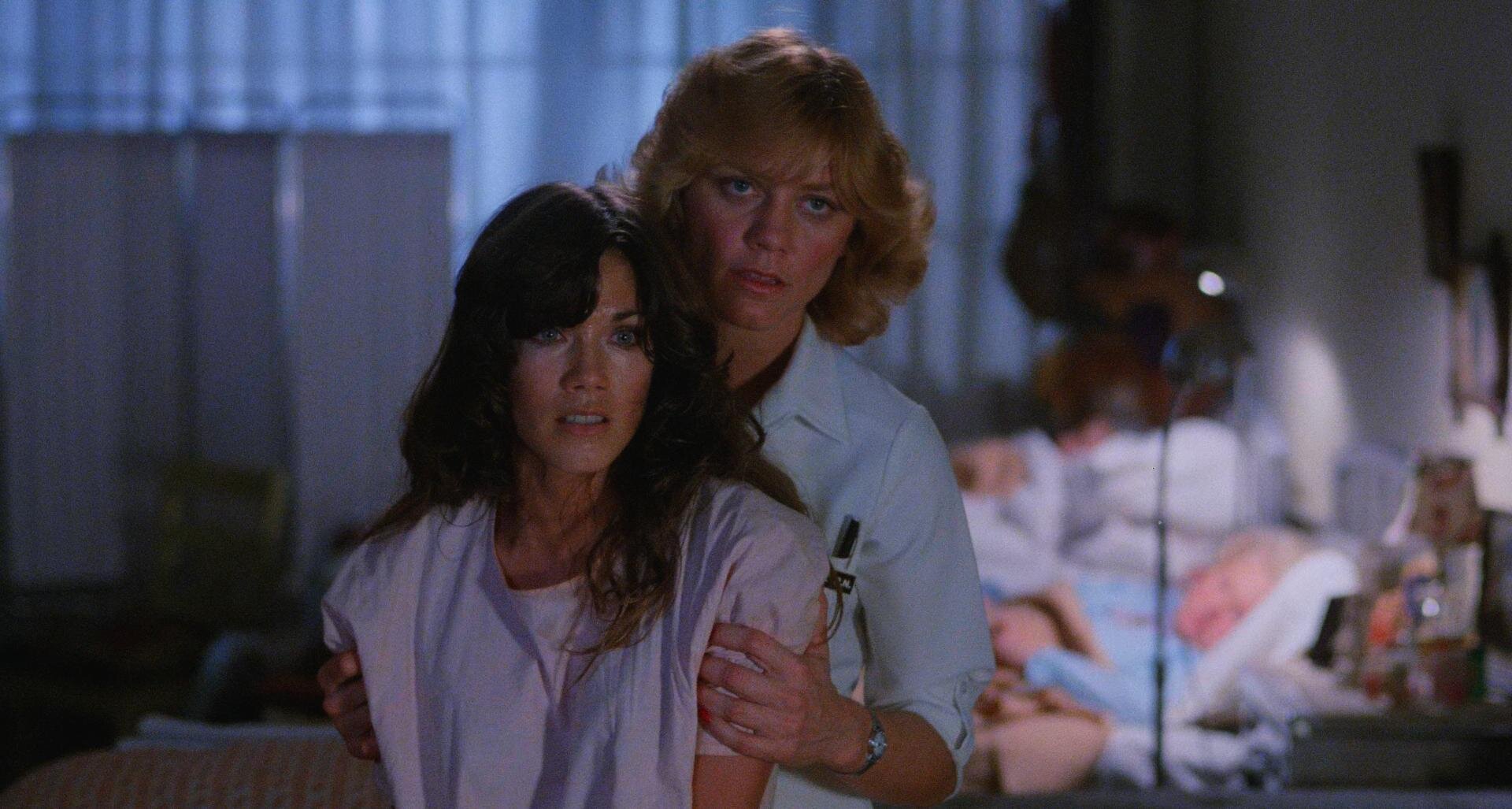
Taking a leaf out of genre catalyst Halloween‘s suburban nightmare, our killer’s motive is rooted in childhood. The story begins, rather harmlessly, in 1961, a preteen Susan finding a Valentine’s card from peewee admirer, Harry, only to mock his sentiment with another male friend. Unfortunately for the cheeky chappie in question, Harry is not the most stable of children, squashing his momentary embarrassment with a superhuman slaying that would leave zombie Jason questioning his place in the world. After Harry’s prepubescent frame somehow finds the height and strength to hang his love rival from a six-foot coat rack (presumably he found a chair to aid his deed in the seconds that his unrequited love was absent from the room), his grinning face sticks around long enough for Susan to establish him as the guilty party.
Twenty years pass and Susan (Benton) is a happily married mother of one who fails to exhibit even a morsel of mental scarring, laughing off her husband’s reminder of a recent massacre that took place at the Los Angeles County hospital where she is due some test results. This may strike you as careless behaviour, but despite her gruesome past she does have a point. I mean, what are the odds that two massacres would take place at the same location in as many years. Pretty slim, right? As are the chances that one of the hospital’s staff would share the name of the demented child who had changed her life irrevocably, a person who, despite being fingered for his juvenile crime, has somehow evaded prosecution, landing a job as an intern in a profession where potential victims and sharp implements are plentiful. Talk about negligence!
Harry, who is very obviously the killer from the outset (trust me, spoilers mean nothing here), then sets about offing a whole host of victims for no other reason than to fill the movie’s already scant running time. Instead of simply killing Susan, Harry decides to prolong her stay by tampering with her test results, somehow producing an X-ray of the patient’s intestines that any competent doctor would identify as an error instead of strapping her to a gurney for being mad and attempting to perform an operation on her for a condition that couldn’t possibly have been diagnosed. It looks like one of those giant worms from Tremors has burrowed its way in there, for Christ’s sake!
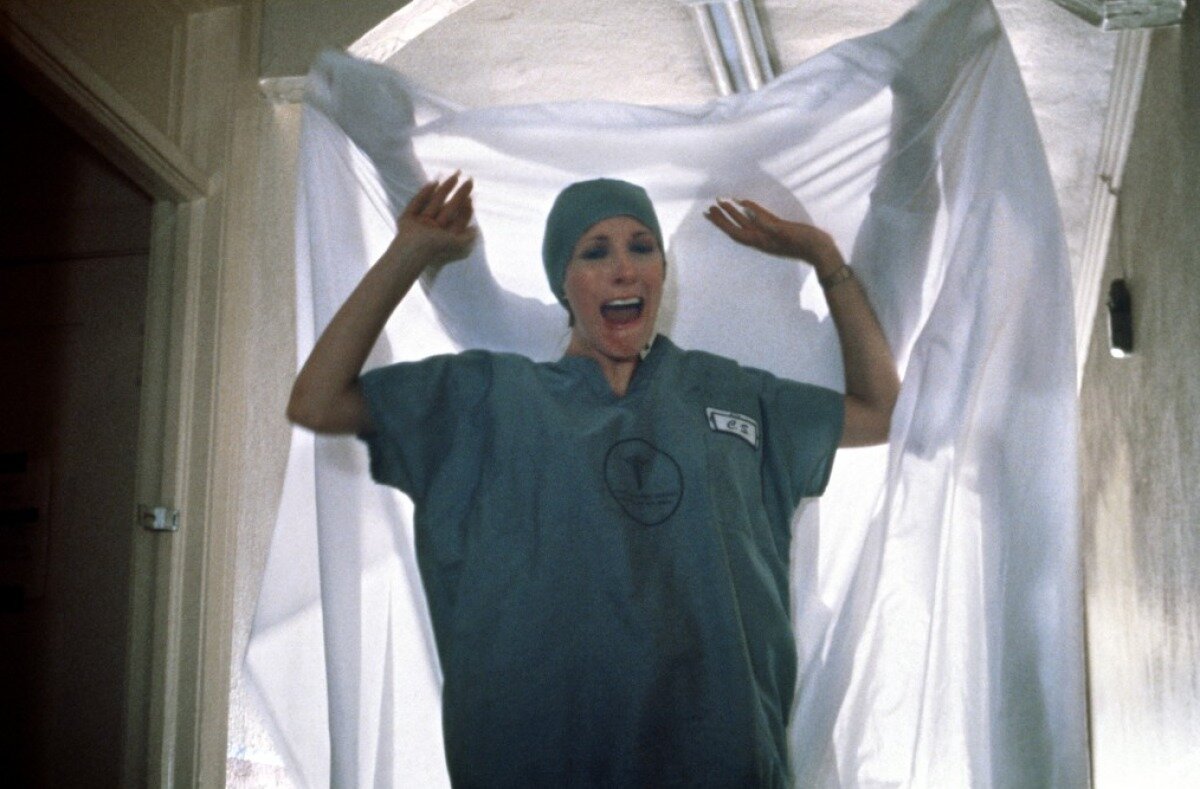
In light of these findings, Susan is forced to spend the night on a hospital ward with three croaky old hags who ooze foreboding like the three witches of Macbeth, and the lunacy doesn’t stop there. As hospitals go, this one is a veritable nuthouse, a building under partial fumigation where drunks and perverts wander the corridors unchallenged and rapey doctors operate with total impunity. Susan’s nude examination, courtesy of John Warner Williams’ Doctor Saxon, will send shivers down the spine of any watching female with a pending appointment. It’s so perversely intimate and drawn-out and without reason, a jaw-droppingly transparent grab at commercial titillation that has to be seen to be believed.
Ultimately, what makes the film so engrossing is its refusal to bow to any kind of coherence. Elements such as plot, logicality and general creative integrity are neither here nor there. Golan-Globus were looking to tap into a burgeoning market, and in doing so read the ingredients on the back of the packet. It’s like they threw a sachet of spices into a pan and turned on the heat before adding the instant noodles, or even the water to boil them in. It’s audaciously undercooked at times, burnt to a crisp at others, an acquired taste that will likely please scholars of mindless schlock no end.
Hospital Massacre was first released in Mexico on October 16, 1981, arriving on US shores the following summer, which is arguably the peak phase of the slasher’s golden age. With releases such as Halloween II, The Burning, My Bloody Valentine and Friday the 13th Part II, that period was characterised by its unprecedented violence and anarchic sense of nihilism, the genre only succumbing to the chastening whip of censorship during the latter part of the decade, a period categorized by supernatural self-awareness and all-out silliness. Hospital Massacre is that rare golden age slasher that manages to be jaw-droppingly preposterous despite the violence — yet another dubious feather in the cap for the inimitable Golan-Globus.
Taste the Rainbow
Golan-Globus deliver some truly delicious kills that are both creatively savage and stupidly executed, but despite a series of bloodthirsty slayings, my favourite involves one unlucky chap’s unfortunate date with a sink-full of corrosive chemicals.
After finding one of the hospital’s nurses slashed to ribbons and hanging upside-down in an improbably-placed locker, a perverted janitor has his mush deliquesced in a pool of sulphuric acid that leaves his skin hanging off his face like a bag of melted Skittles.
Fast Food
Hospital Massacre has the power to make seemingly innocuous developments seem positively surreal, like the moment in which three heavily bandaged patients, unable to aid a screaming Susan, perform what can only be described as an epileptic line dance fuelled by absolute futility (you’ll see), but the movie’s most curious moment arrives while Susan is taking the elevator.
Aghast to see a seemingly dead man leaning against the corner of the elevator with an inordinate amount of blood dripping from his mouth, Susan is relieved to discover that the man is actually a drunken slob eating a burger and the blood is in fact ketchup.
Yes, it’s as silly as it sounds.
Choice Dialogue
Moments before leaving his once traumatised, murder-witnessing wife at the hospital, husband Jack suddenly remembers something.
Jack: Hey, wait! isn’t this the hospital where they had all that trouble last year?
Susan: What trouble?
Jack: Some patient ran amok or something.
Susan: (scoffing) Oh, please! (laughing)
A madcap slasher with an irresistibly psychotic killer, the wholly unoriginal
Edison Smithis as devoid of sense as you might expect from a Golan-Globus production, a fact that elevates and detracts in equal measures, but if you’re looking for unreserved silliness in the slasher mode, look no further. Cannon movies: you gotta love ’em!





 vhsrevival.com