
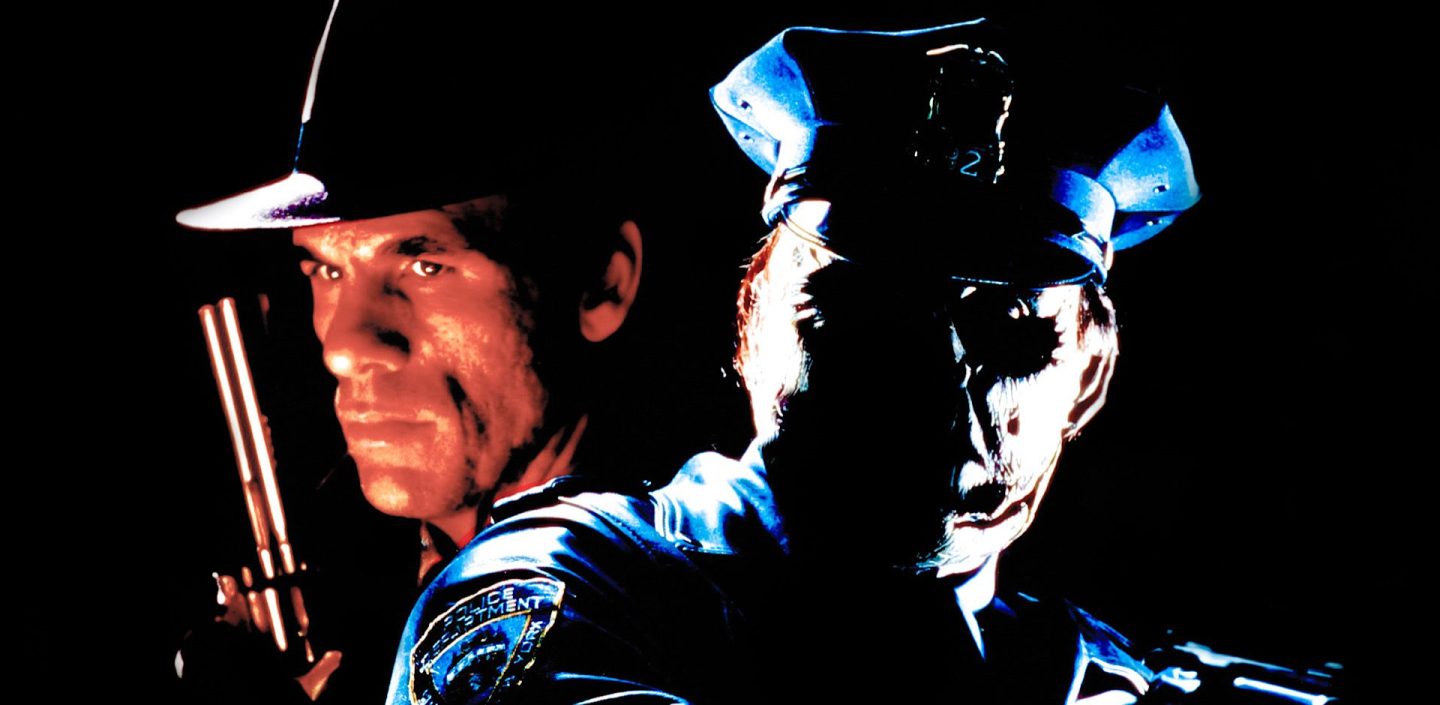
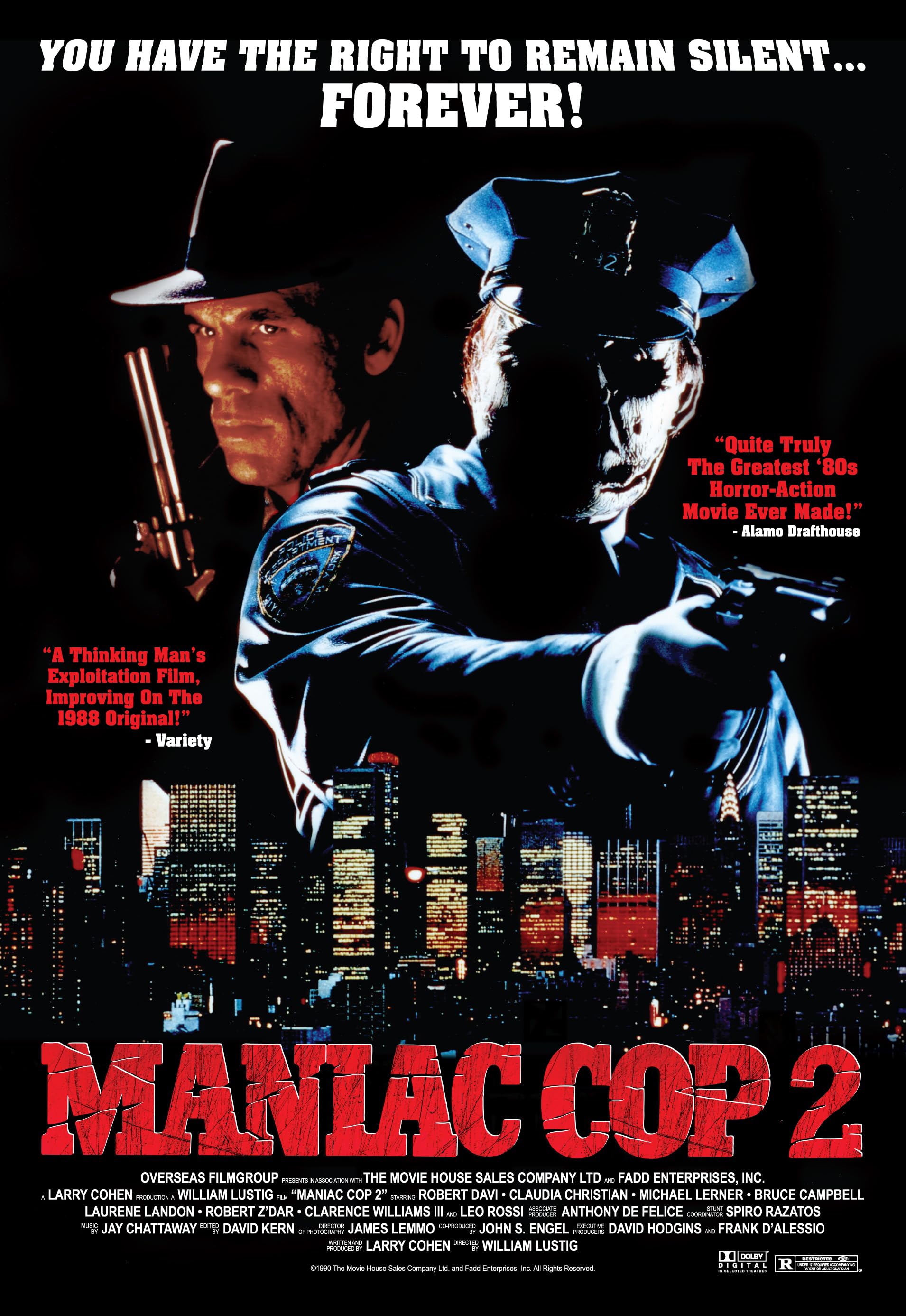
Director: William Lustig
18 | 1h 30 min | Action, Horror, Slasher
Maniac Cop is 2 one of those rare sequels that manages to outshine the original. It’s important to have perspective going in – this isn’t The Godfather Part II – and there are reasons, such as recycled footage from the first film that would even be repurposed a second time in the shamelessly undercooked Maniac Cop 3: Badge of Silence, a movie that appeared direct to video a belated three years later, but the remaining 80 or so minutes are an absolute blast for both slasher and action movie fans; not to mention those of you who enjoy that special brand of ‘so bad it’s good’, the kind that predates the hyper self-aware movies that would consciously tap into the formula. Maniac Cop 2 doesn’t provide us with a rich continuation of an original story. It doesn’t boldly reimagine or even flip the script in any way meaningful. What is does is give us more of the same in the traditions of lesser mainstream sequels, upping the action with its tongue firmly in its cheek, but through sheer audacity it charms the handcuffs off you. It’s absolutely mental at times.
For those who haven’t seen or even heard of the Maniac Cop series, seek it out for fear of unlawful retribution. The franchise villain, Officer Matt Cordell aka The Maniac Cop, lacked the commercial clout of those truly mainstream monsters to come out of the slasher’s golden age, due largely to the fact that director William Lustig’s exploitation vehicle was somewhat late to the party commercially, but he’s certainly one of the most memorable. The series is also unique in the sense that it isn’t a traditional slasher in the purest sense, leaning heavily, and thrillingly, into 80s action territory, but fans of stalk and slash brutality, despite the fact that Maniac Cop 2 arrived at a time when gore was a big no-no with the censors, will savour its blunt, direct approach to violent mayhem.
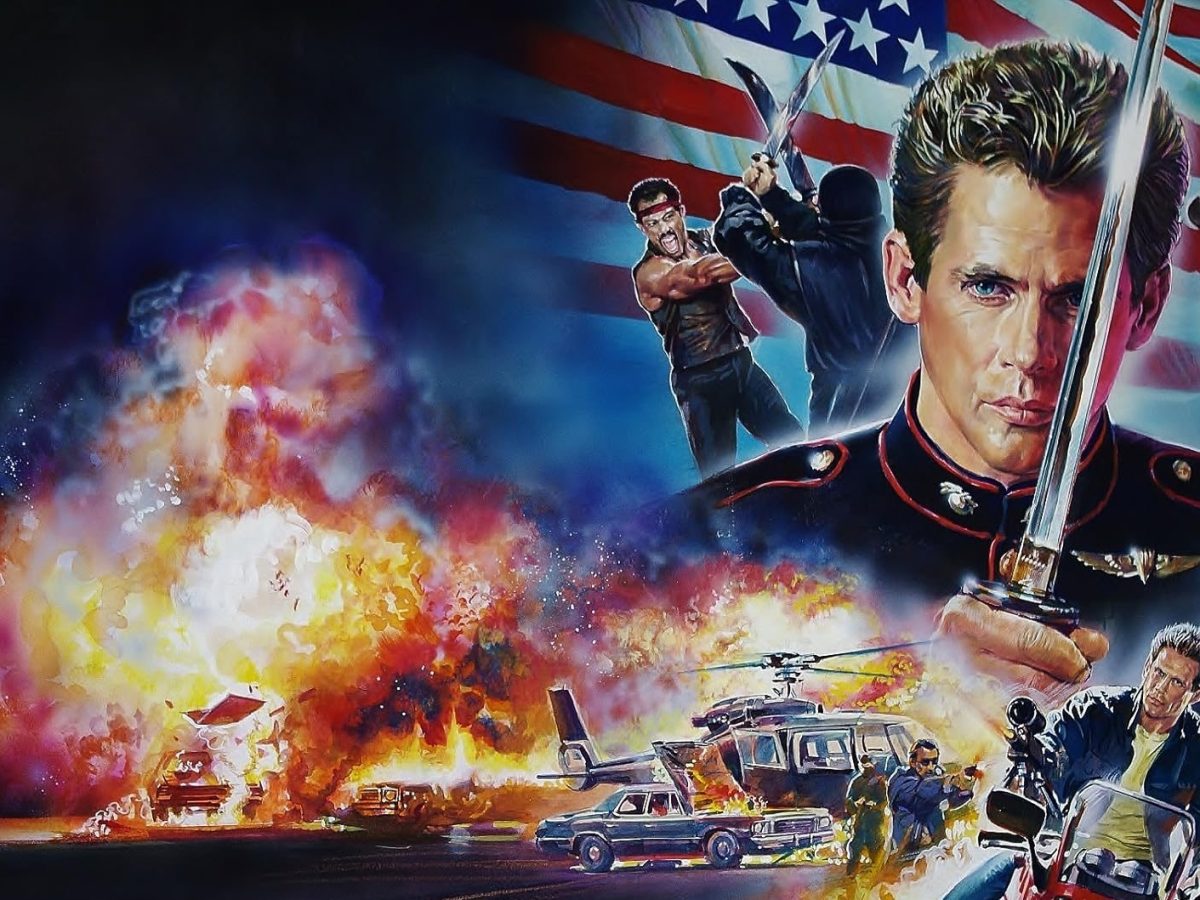
Then you have the movie’s trump card, Cordell portrayer, the late Robert Z’Dar, a B-movie icon memorable for bad guy performances in beyond ludicrous cine-trash like the truly priceless Samurai Cop. Z’Dar appeared in 121, mostly B-grade films over the course of a 39-year career, with a few mainstream appearances thrown in for good measure. He’s one of those rarely remembered but instantly recognisable movie stalwarts who seems to pop up everywhere if you look hard enough, a monster of a man with an unforgettable face that was made for the movies. Even without the makeup he’s odd and fearsome enough to run Jason Voorhees out of town twice on Sunday.
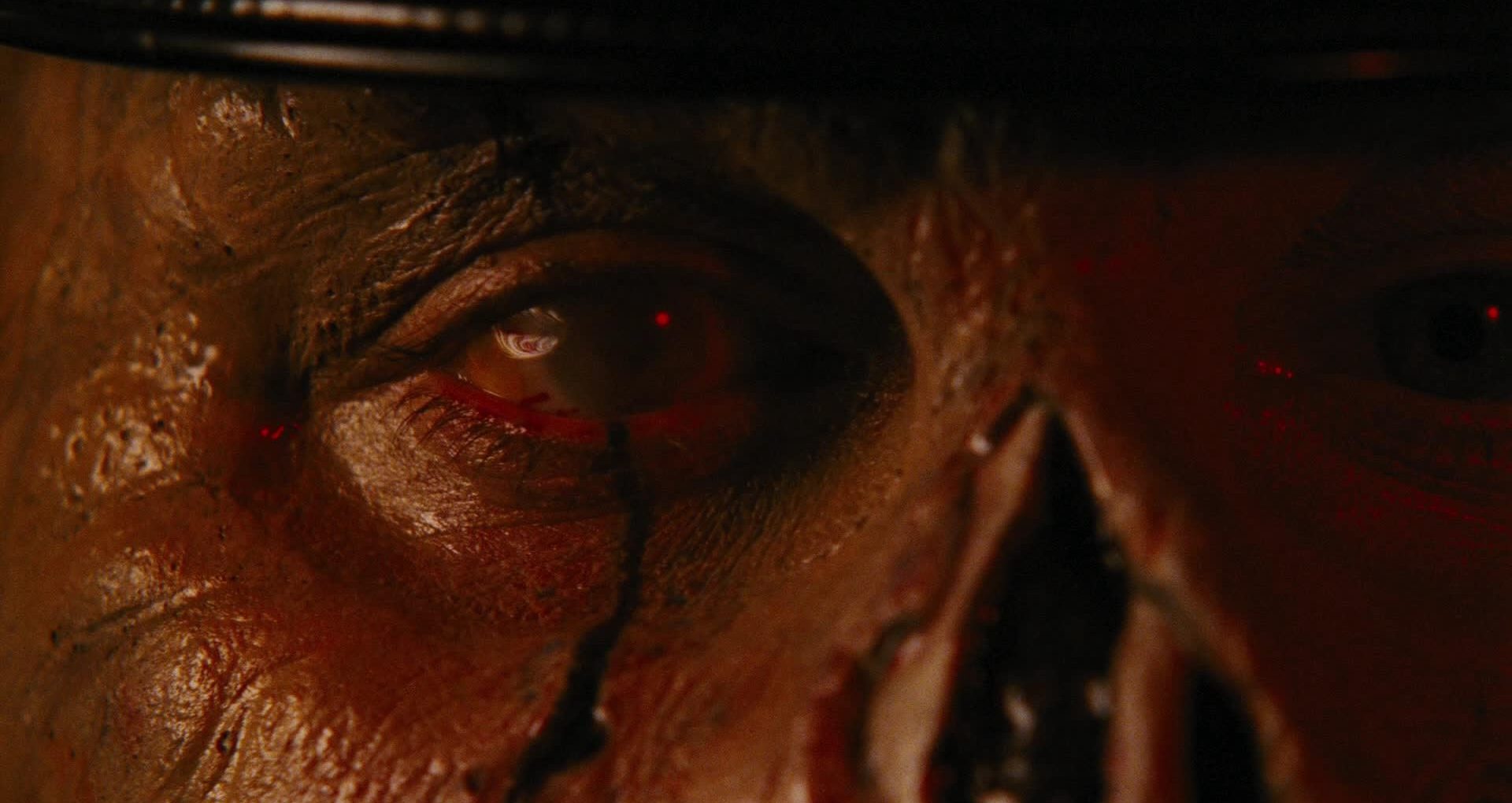
The giant, almost cartoonish jawline and chin that distinguished Z’Dar so brazenly, the result of a rare genetic condition known as cherubism, actually proved a blessing in career terms, and, along with his hulking physique, was the reason that he was cast as Cordell in the first place. “I had seen a movie called Night Stalker,” Lustig recalled “…A kind of a cop chasing a serial killer movie called Night Stalker. And there was a guy playing the killer who I thought was really, really frightening looking. And that was Robert Z’Dar… I must tell you that, the first time I met Robert Z’Dar, and I was waiting for him at my office to arrive, I was getting very anxious, because he had made such an impression on me in [Night Stalker] that I became rather anxious about meeting this guy.”
Lustig, an exploitation legend perhaps most famous for the sleazy, ‘Son of Sam’ inspired slasher Maniac, excels at capturing the acrid, crime-ridden New York of the late 20th Century in the same way as oddball contemporaries such as Frank Henenlotter, and though he would utilise Los Angeles where possible as a cost-cutting measure for Maniac Cop 2, there’s still an old school New York vibe that plays into the genre so well. This is more apparent in the original movie, and particularly true in the feverishly oppressive Maniac, a Tom Savini aided practical effects wonder that was shot guerrilla style entirely in the Big Apple. In fact, it was Maniac, Lustig’s sleaziest, most New York-centric movie, that inspired Maniac Cop following a simple, straight to the point phone call from the film’s eventual writer, Larry Cohen, a like-minded maverick filmmaker who had made his name with the blaxploitation movies of the 1970s.
An idea man with a tireless enthusiasm to get films made as efficiently and as cheaply as possible, Cohen would smartly turn his hand to horror/sci-fi during the an oversaturated VHS boom, tapping into an era of creative lawlessness and an insatiable demand for movies and home video, however cheap, sordid and anarchic. Producing iconic cult classics such as Q: The Winged Serpent and his deliciously satirical attack on consumerism The Stuff, Cohen produced whip-smart films under the guise of grindhouse, and the Maniac Cop concept had plenty of satirical mileage built into it thanks to rife institutional corruption in America, which inevitably bleeds into the movie’s sequels. Larry had exploited a niche with ruthless enthusiasm, and Maniac Cop was just the ticket for his caustic brand of socially conscious filmmaking.
“I was in New York, actually closing down my apartment, and I got a called from Larry Cohen, who had just left a movie,” Lustig would explain. “And we had lunch together. And during lunch Larry asked me why I’d never made a sequel to Maniac. And I told him I hadn’t really thought about doing a sequel. I felt the movie had kind of ended and that was that. He said, ‘Well, what do you think about the idea Maniac Cop?’ And the very moment he said the title ‘Maniac Cop’, I knew it was a winning title and I knew that it was a winning concept. And that was it. It was Larry Cohen’s idea. And from there is snowballed… I learned more about the film business working with Larry Cohen than anyone; before or after. Larry is a genius.”
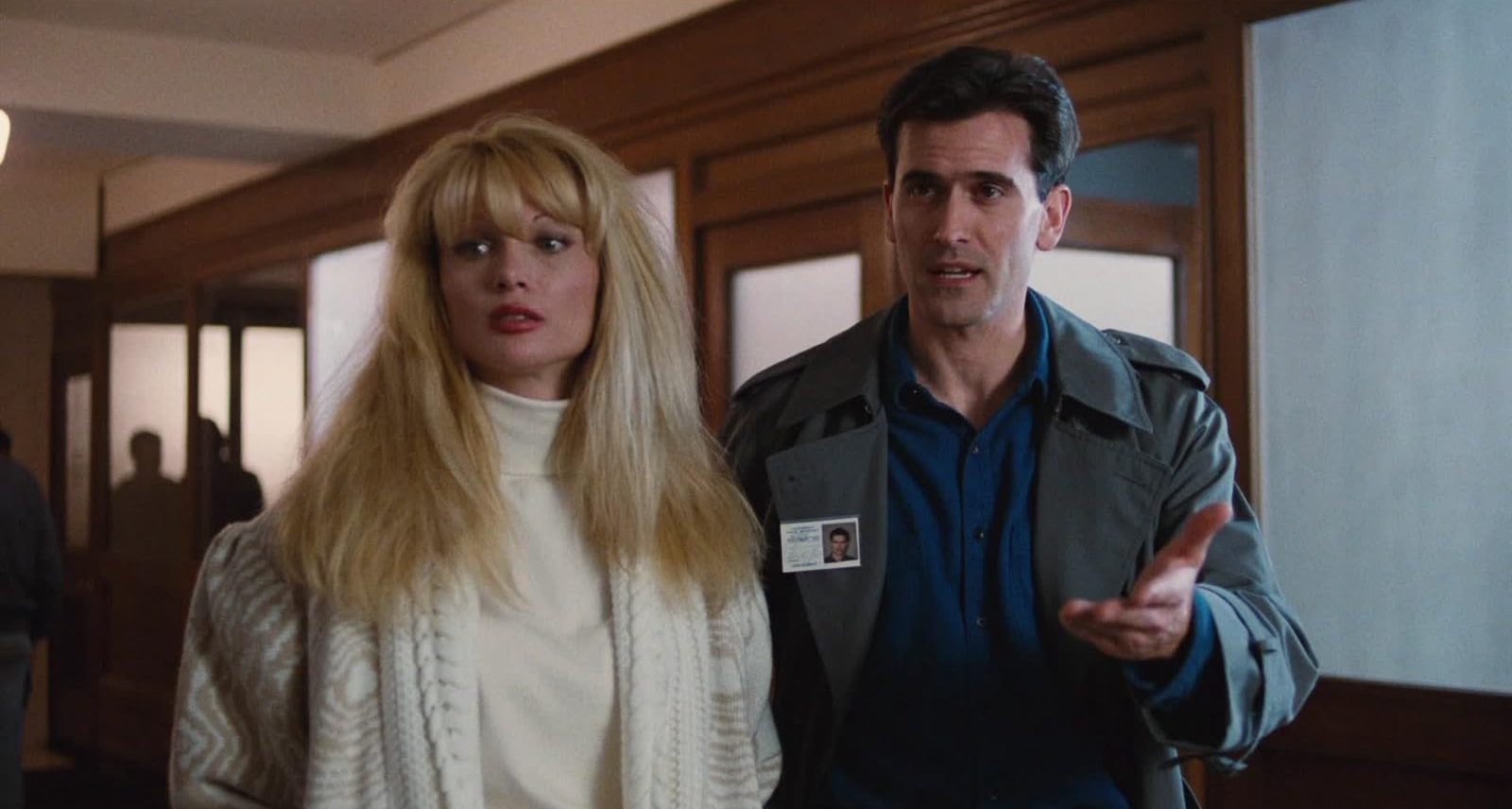
The original Maniac Cop is a priceless, low-key exploitation movie that performed horribly during its short theatrical run, recouping just over half of its already humble $1,100,000 million budget, but success in the still booming VHS arena guaranteed a direct-to-video sequel. Starring the ever dependable Tom Atkins as a cynical, bottle sucking detective and cultural phenomenon Bruce Campbell (The Evil Dead) as a wrongly accused cop looking to prove his innocence amid accusations of uxoricide, the movie featured Z’ Dar’s breathless zombie cop’s initial killing spree, Cohen’s attack on authoritarian hypocrisy and media sensationalism sleazily packaged for the grindhouse crowd. Atkins’ Lieutenant Frank McCrae, recruited to help with a cover-up, knows the truth about Campbell’s Officer Jack Forrest, but in an environment of police corruption and political self-preservation, no one wants to hear about it, especially when McCrae is unceremoniously bumped off by Cordell, a non-discriminatory killer who, like Cohen and Lustig, isn’t one for adhering to cinematic traditions, something that becomes even more apparent in the equally capricious sequels.
Maniac Cop 2 begins with an uninventive, though hugely enjoyable re-hashing of the first movie’s priceless finale, one that reveals a back-from-the-dead Cordell as a vengeful monster with the kind of superhuman strength that would leave Michael Myers in a state of self-evaluation. Cordell is seemingly put to rest after crashing into a river. The extended cut of the original Maniac Cop features an additional coda that sees Cordell returning from the grave (again) to kill the very mayor who framed him, a scene that would have made Maniac Cop 2 a very different film. Instead we get a continuation of the character’s original revenge arc, with a shit ton of new victims thrown in for good measure. Some were involved in his original downfall, others became enemies in the first movie, others are just very unlucky to have run into him. When it comes to dishing out the pain, Cordell does not fuck about.
There are moments in Maniac Cop 2 that simply don’t make sense, an indicator of Cohen’s efficient, uncomplicated approach to filmmaking, but this was the 80s, a time when Israeli cousins Golan-Globus became semi-serious Hollywood players with a catalogue of bottom rung B-movies that were similarly produced on the fly, the two often coming up with a title and an accompanying poster before creative had even been broached. Cordell remains a vessel for social commentary in Maniac Cop 2, but the sequel lets its hair down in those terms, focusing more on blistering action and knowing humour, and, morally speaking, Cordell is something of a conflicted puppy as a consequence. In one scene, he swiftly dispatches a parking enforcement officer for writing a ticket, hauling him away like garbage on his very own tow chain. We can all empathise with eradicating such pettiness on some level, but the guy getting the ticket, a yuppie asshole who deserved death a million times over with his outward sense of entitlement and snarky superiority complex, gets away with it scot-free, and is surely more of a candidate for institutional corruption than the mildly bureaucratic ticket officer.
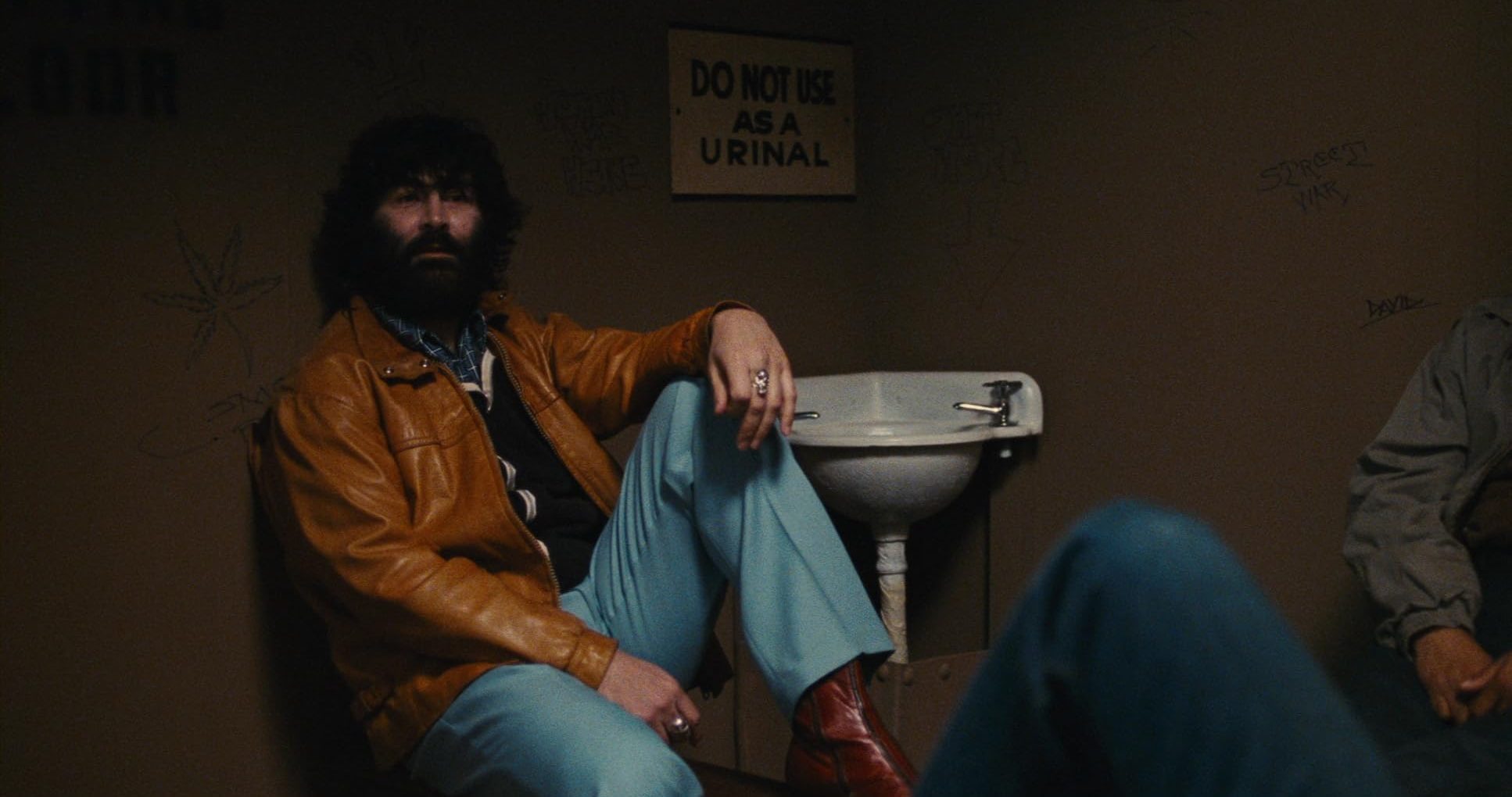
The same uneven logic is applied to female characters. One minute he’s leaving broken female corpses laying on the asphalt like ragdolls, the next he’s saving female cops (the same institution that Cordell blames for his downfall) from the rapist tendencies of death row escapees. He also, for no apparent reason it seems, decides to seek out and partner up with Leo Rossi’s strip bar serial killer Steven Turkell, who has been staying safely under the radar, despite a complete lack of caution, thanks to rumours of Cordell’s return and the media sensationalism surrounding it. Turkell, played with unlimited enthusiasm by Rossi, is arguably the movie’s most interesting character, immediately warming to Cordell, and even inviting the zombified killing machine to join him in his loft apartment for a brewski. It’s just so random at times.
Turkell, a narcissistic, self-appointed angel of vengeance who exhibits the most superficial serial killer tendencies while being a total stranger to those that truly matter when crafting an authentic character profile, still manages to pull it off with his rough and ready, Cactus Jack style appearance and twisted energy, devoting himself to Cordell’s cause and lauding him as the saviour god almighty until turning on him just as quickly (let’s just say that things end badly for him). A scene involving a potential victim and an attempted strangulation is particularly seedy. In fact, with both Lustig and Cohen’s grubby fingerprints all over this movie, sleaze and nastiness are par for the course, even if actual gore is at a minimum. Turkell adds a grunginess beyond the capabilities of a mere zombie. Make no mistake about it, as stilted and as ludicrous as it can be, Maniac Cop 2 pulls no punches when it comes to moments of barehanded brutality.
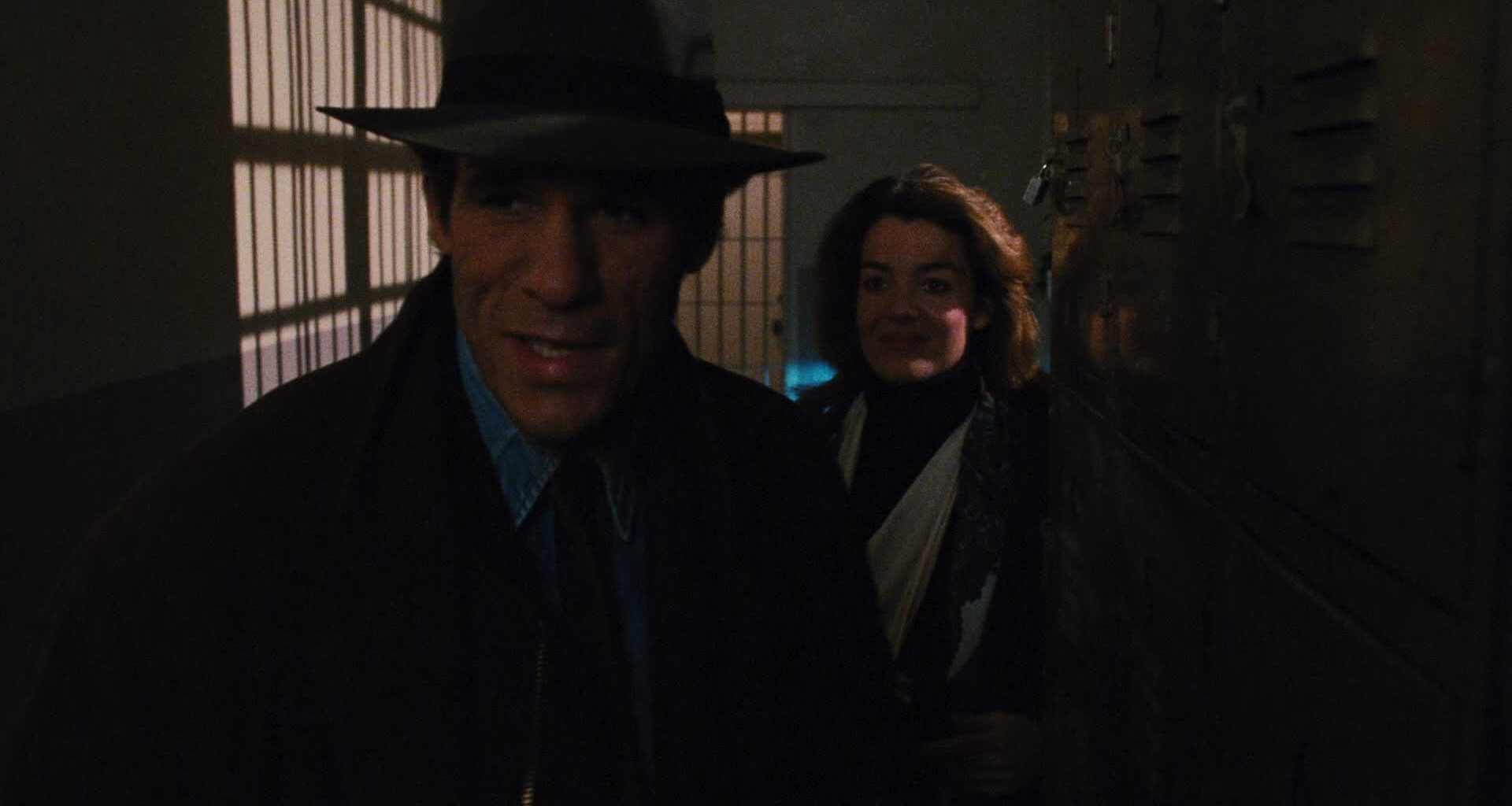
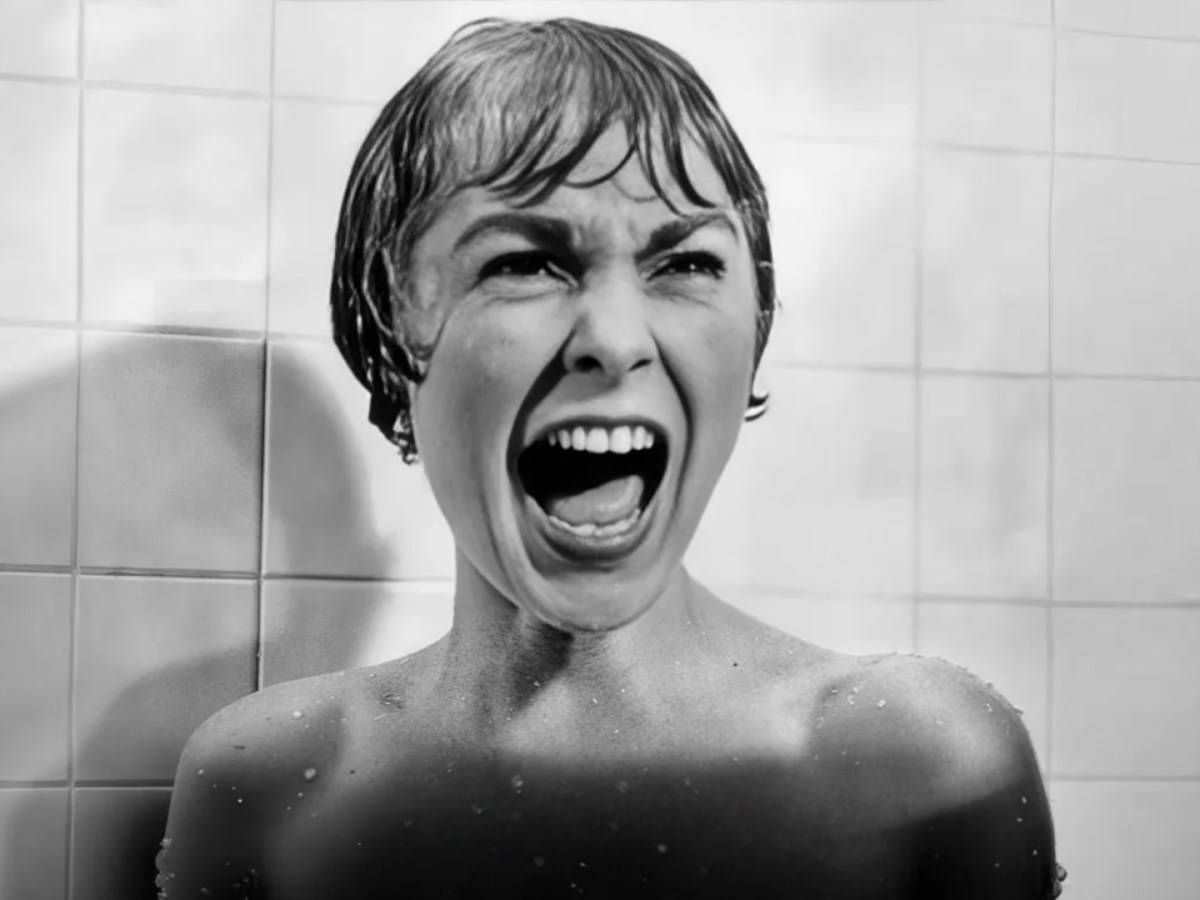
Taking over from Atkins as our resident detective is Robert Davi’s equally priceless Lieutenant Sean McKinney, who along with Claudia Christian’s street-shy Officer Susan Riley, is hot on the trail of Cordell as the bodies pile up, particularly when Campbell’s Forrest and Landon’s Mallory are swiftly and unceremoniously bumped off Hitchcock style, immediately opening the gates to the absolute chaos that follows. The best thing about Maniac Cop 2 is the fact that, tonally, it plays out like two completely different movies that somehow form a perfect whole. On the one side we have Davi’s grizzled, noirish cop and a series of thriller-esque events that unfold with absolute sincerity, which is typical of Cohen’s procedural approach to such material. I’m talking The Naked Gun‘s Lieutenant Frank Drebin levels of playing it straight in the midst of so much self-aware madness. Then you have Cordell’s relentless rampage against the city that condemned him; a madcap siege of snapped necks, high speed chases, impromptu liquor store robberies, chainsaw fights with women, and a police station massacre that makes Arnold Schwarzenegger’s original T-800 seem like a Tamagotchi with dud batteries.
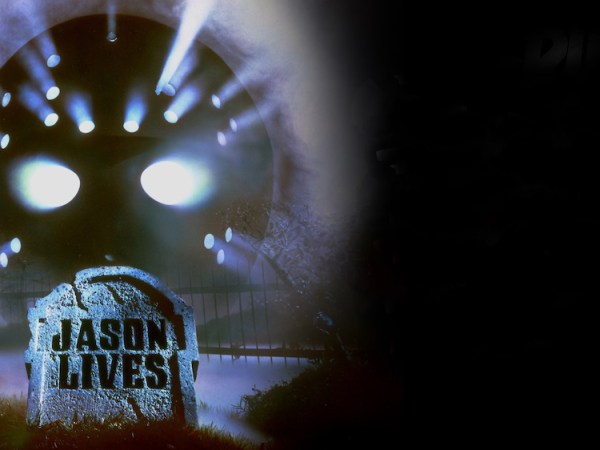
The police station massacre is Maniac Cop 2‘s balls-out centrepiece during a climax that, a flashback prison attack not withstanding, ditches the nastiness for the kind of over the top lunacy that sees cops gunned down in their droves and thrown forty feet across a room through multiple concrete pillars at the hands of our superhuman brute. Cordell mows down an entire New York City precinct, mostly on fire in some of the most dangerously prolonged stunt work I’ve seen in a long time. It’s breathless stuff. Despite Lustig and Cohen’s trademark sleaze and abrupt approach, this is a post Jason Lives style killer, a limitless, tireless marauder who dishes out the pain with the insouciance of a hungover mountain bear toying with his half-dead breakfast. It feels bigger than the original too, more adventurous despite an undisclosed, direct-to-video budget. It’s also a fairly decent action film with some pretty engaging car chases and shootouts. As is often the case with Cohen’s projects, it all works so well when it really doesn’t have the right to.
“What I learned from Larry Cohen was how to think pragmatically, meaning how to find simple solutions in solving problems,” Lustig would reveal. “We’re in a business that tends to make things more complicated than they are. Larry’s idea is: what is it that we have to accomplish, and how do we find the simplest, easiest solution to solving or getting what it is we want on screen? And also, the thing about Larry is, he doesn’t believe in the traditions of filmmaking. He looks at it that you need a camera, you need a film, you need somebody to operate the camera, you need someone to operate the sound, and we can run out and we can shoot it. We don’t need changing rooms and we don’t need a big production around us. We can work out of our station wagons and get things done. That was Larry.“
Disgruntled Customer
Maniac Cop 2’s opening scene is absolutely priceless. Corny, self-aware, and dripping with 80s action movie hyperbole, it provides the perfect introduction to a character who has grown in cult lore and self-awareness since his last appearance.
After succumbing to a stick-up artist’s demand for scratch cards, an ominous, gargantuan Cordell intercedes, brutally disarming the assailant. Surprisingly, he then turns his attention to the joyous storekeeper, who seems to think he’s inherited a winning scratch card via default until blasted into oblivion with a sawn-off shotgun.
The crook doesn’t get away with it. Cordell instead chooses to frame him and deliver him to the now waiting cops outside, where he’s blasted, from multiple angles, through a plate glass window McBain style.
Breakneck Pace
Maniac Cop 2 is no slouch in the realms of classic, high-octane action, a fact best exhibited during a taxi ride-come-high speed chase that leads Laurene Landon’s Officer Theresa Mallory directly to hell.
Hijacked by Cordell, Landon is launched straight through the plate glass window of a nearby store. The punchy Mallory then unleashes a chainsaw (which just happened to be in the hands of a store mannequin), only to have her neck snapped like a twig in one of the bluntest, most brutal dispatches I’ve personally ever witnessed.
If that wasn’t enough, a previously skeptical Officer Susan Riley is handcuffed to another car and sent careening into highway traffic in a thrilling action scene that is worth the price of admission alone.
I’ll Be Back
Whoever thought that burying a zombie twice back from the dead would finally lay him to rest?
In a closing scene similar to a famous kill in Friday the 13th Part VI: Jason Lives, Cordell is laid to rest as a blameless hero (the multiple civilian murders and police station massacre have already been forgotten about it seems), only to smash through his casket and grab the badge he was buried with.
Perhaps the coroner will be more thorough next time!
Choice Dialogue
Lieutenant Sean McKinney: “There’s a piece of Cordell in every cop. Every time arresting some mutt isn’t enough, because we know they’ll be back on the streets before we even do the paperwork. Every time we pull a trigger and it feels good, because no lawyers can reverse that. It all comes down to justice and pressure. There’s only that much difference between a cop and a maniac cop.”
Somebody get this man a psych evaluation, stat!
The satirical and social elements may be watered down from the first movie, but the thoroughly enjoyable
Edison Smithmore than makes up for it with its fast-paced action, off the wall comedic quirks, and a villain who further embraces the meta-realms of the superhuman. This is exploitation cinema at its most rewarding. Lustig and Cohen were a match made in heaven.


 vhsrevival.com