
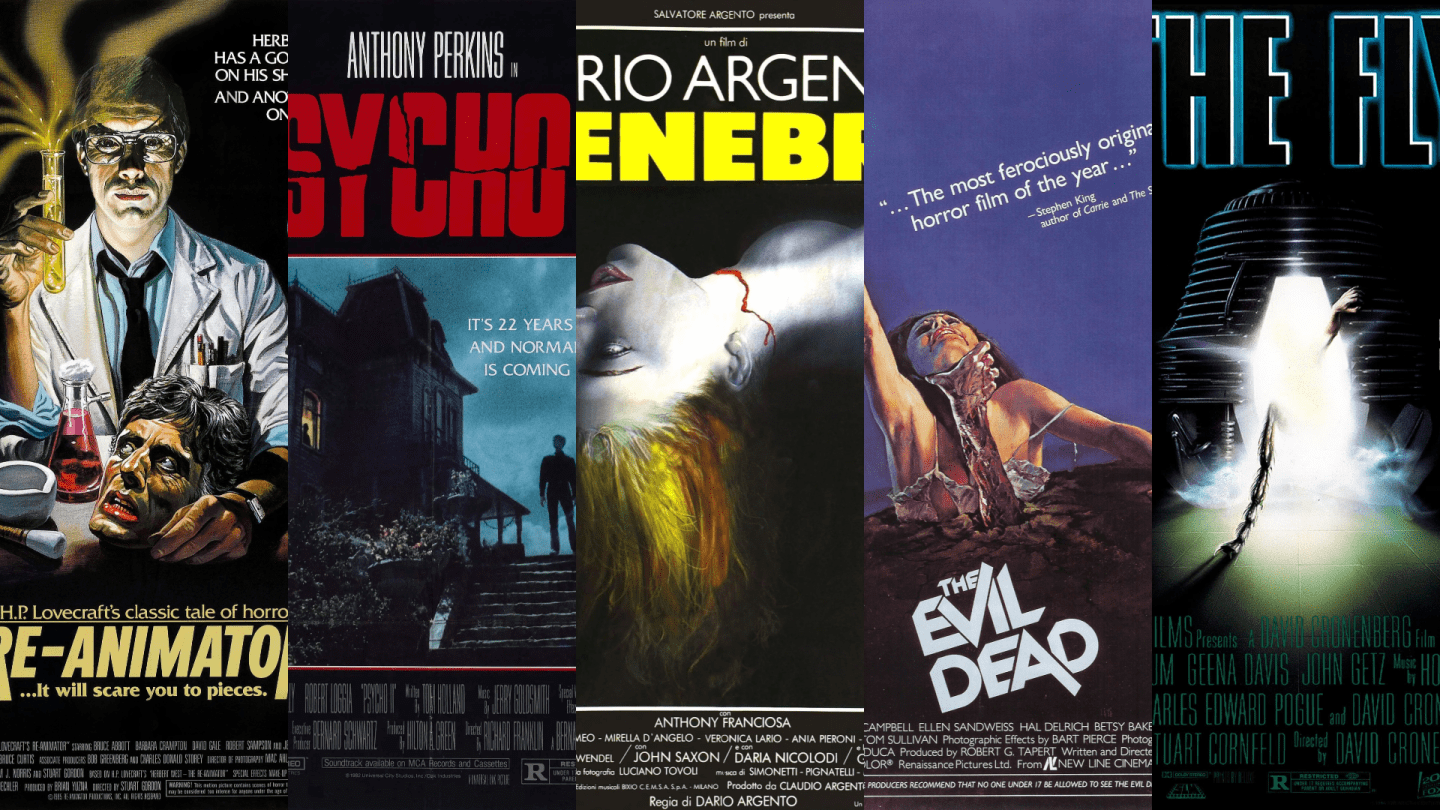

VHS Revival Brings you the Best of 80s Horror for Halloween
The 1980s was a truly memorable decade for horror. Thanks to indie innovators such as George Romero and John Carpenter, the accessibility of modern technology, and the burgeoning VHS boom, upstart filmmakers were cropping up everywhere at the turn of the decade, embracing an almost limitless creative canvas that screamed opportunity. It was the decade of the slasher, of the franchise killer, of a numbered sequel formula that gave us eight Friday the 13th movies in nine years. It was also the era of the horror reboot, of censor enraging practical effects, of original mainstream properties that are still going strong today. In many ways, it was the genre’s true golden age.
Without further ado, here are VHS Revival’s best movies from each year of the 1980s…
1980
The Shining (Dir. Stanley Kubrick)
Stanley Kubrick’s The Shining is not only one of the greatest horror movies of the 1980s, it’s one of the greatest ever committed to celluloid. A particularly devilish Jack Nicholson, in full method actor throttle, is genuinely disturbing as a doomed-from-the-outset Jack Torrance, Shelley Duvall’s wraithlike matriarch, Wendy, a mirror image for audiences who were deeply unprepared for Kubrick’s desolate vision of isolation and madness. The director famously made Duvall’s life hell behind the scenes in order to achieve his vision. It shows in all the right ways.

Criticised by original author Stephen King, who felt that the Torrance character was mad from the outset rather than succumbing to the insidious charms of the hellish Overlook Hotel (his own script for the film was also rejected outright), Kubrick’s The Shining takes a more sensorial approach, bombarding us with subliminal images and a doom-laden score that crawl under the skin and fester for long thereafter: the decaying lover, the Machiavellian bartender, the mutilated twins, all of it underscored by the peculiar boy with the cursed abilities. The Shining is a colossal experience that will never be replicated.
Honourable Mentions
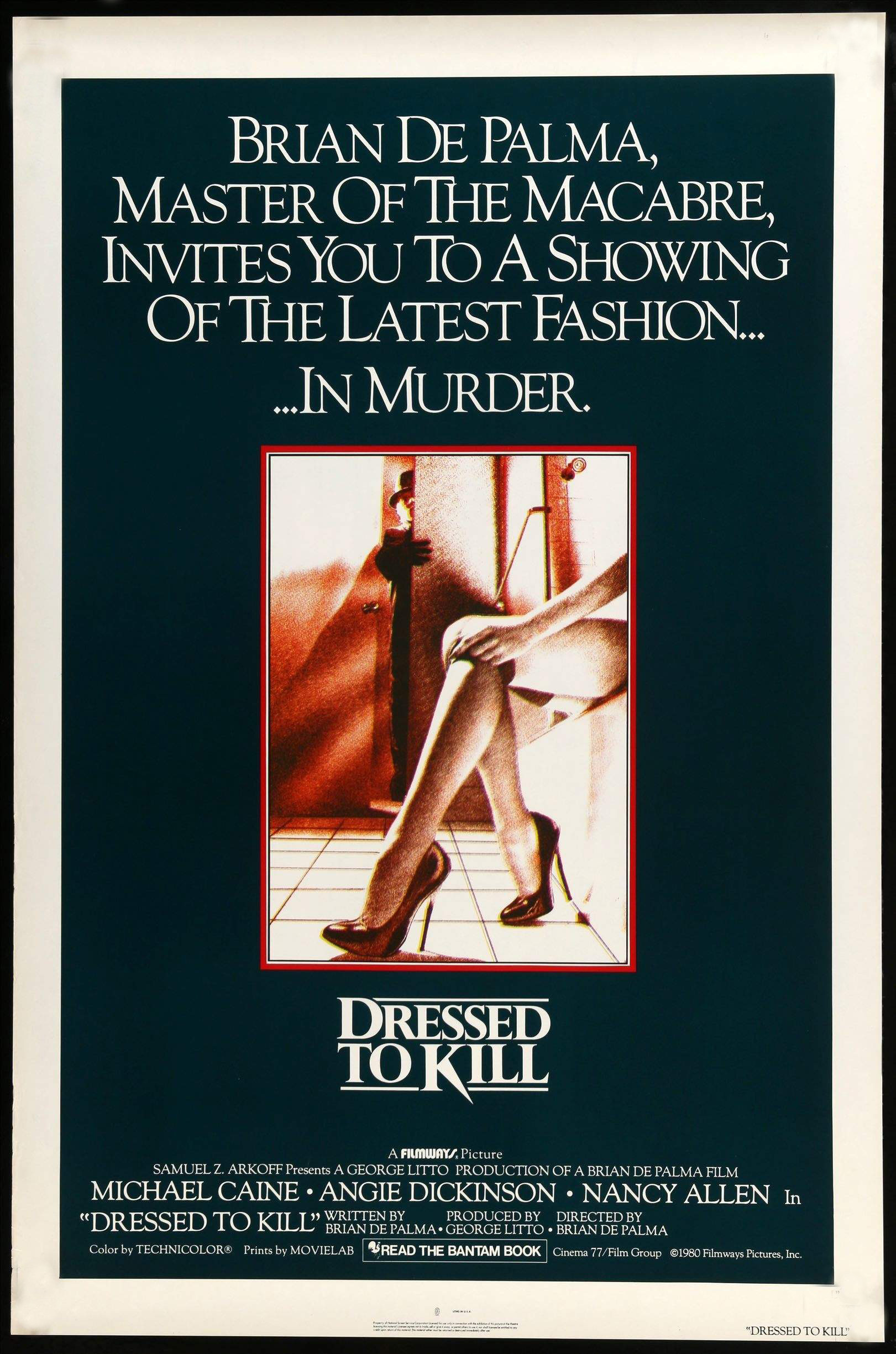
Though somewhat icky in its representation of sexual minorities, Brian De Palma’s slick and salacious ode to the giallo, Dressed to Kill, bombastically courts contention with a technical grace that is simply spellbinding.
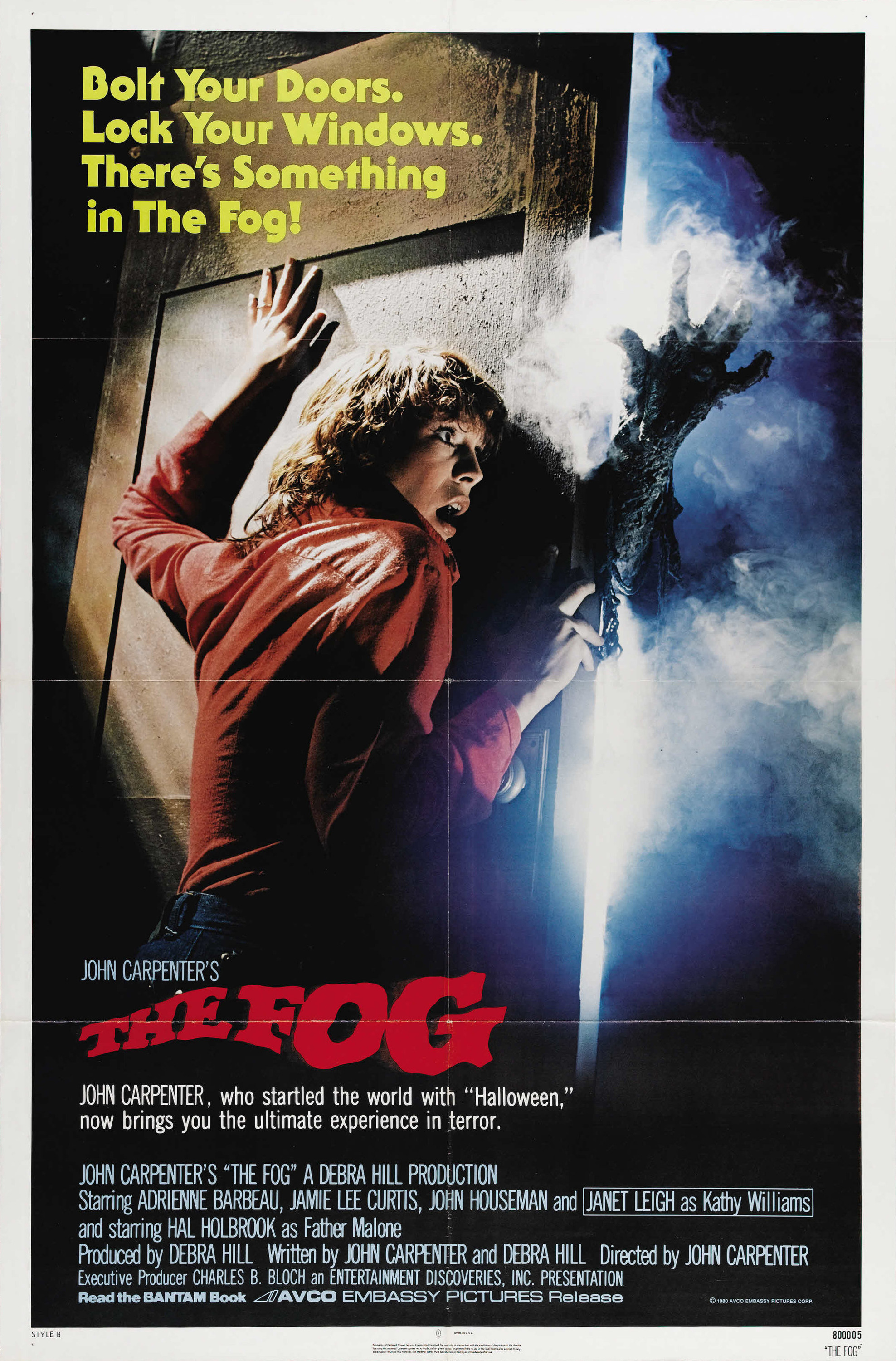
John Carpenter’s The Fog may not have captured the zeitgeist like 1978’s indie phenomenon Halloween, but a typically pulse-pounding score and a relentless sense of foreboding make it one of the finest horror movies of 1980.
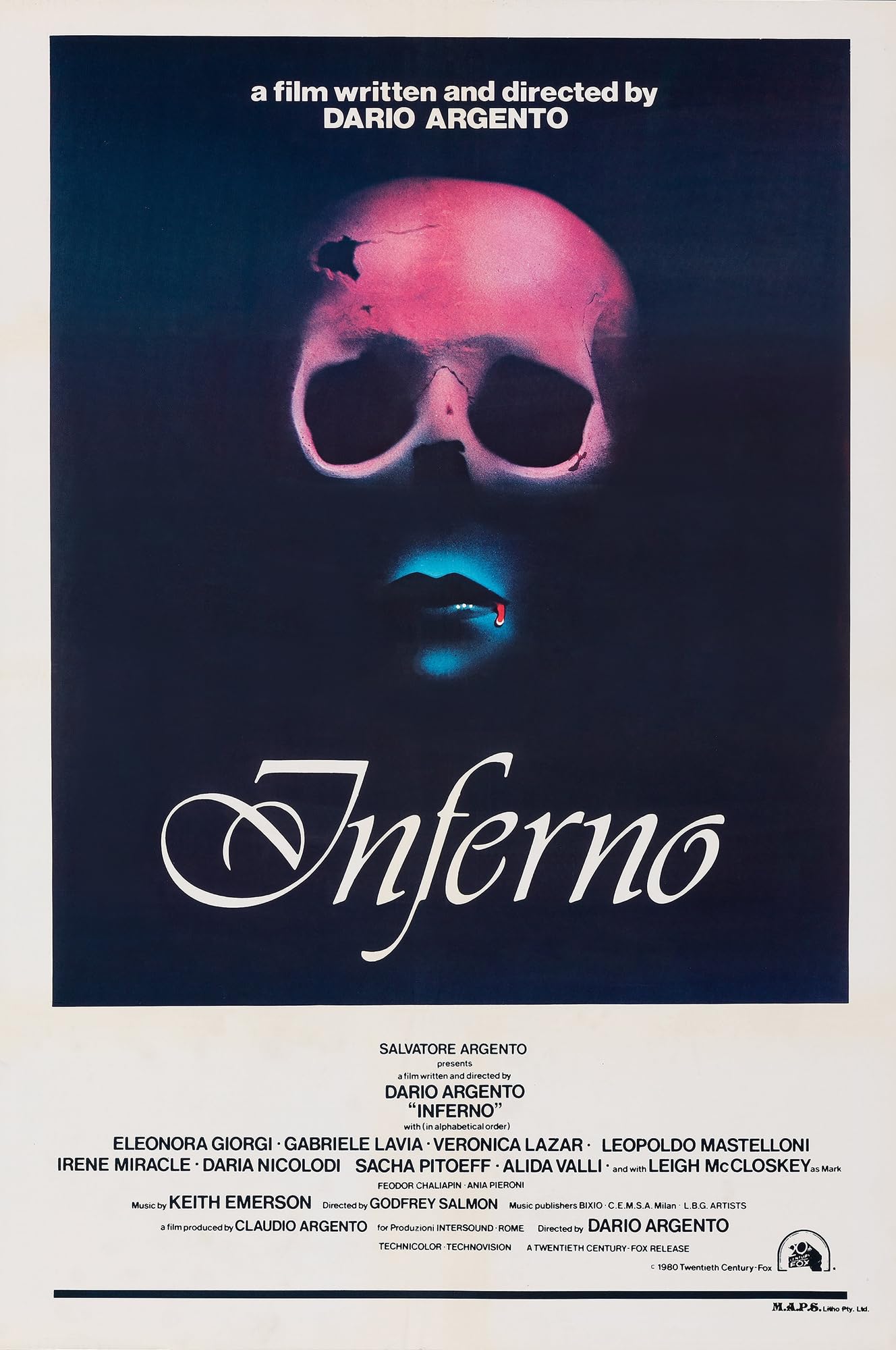
Fellow master of suspense Dario Argento’s Inferno, a sumptuous, often dreamlike assault on the senses, also lives in the shadow of a seminal great (Suspiria), but the director’s artistic approach to the macabre proves just as magical.
Far-out Frights
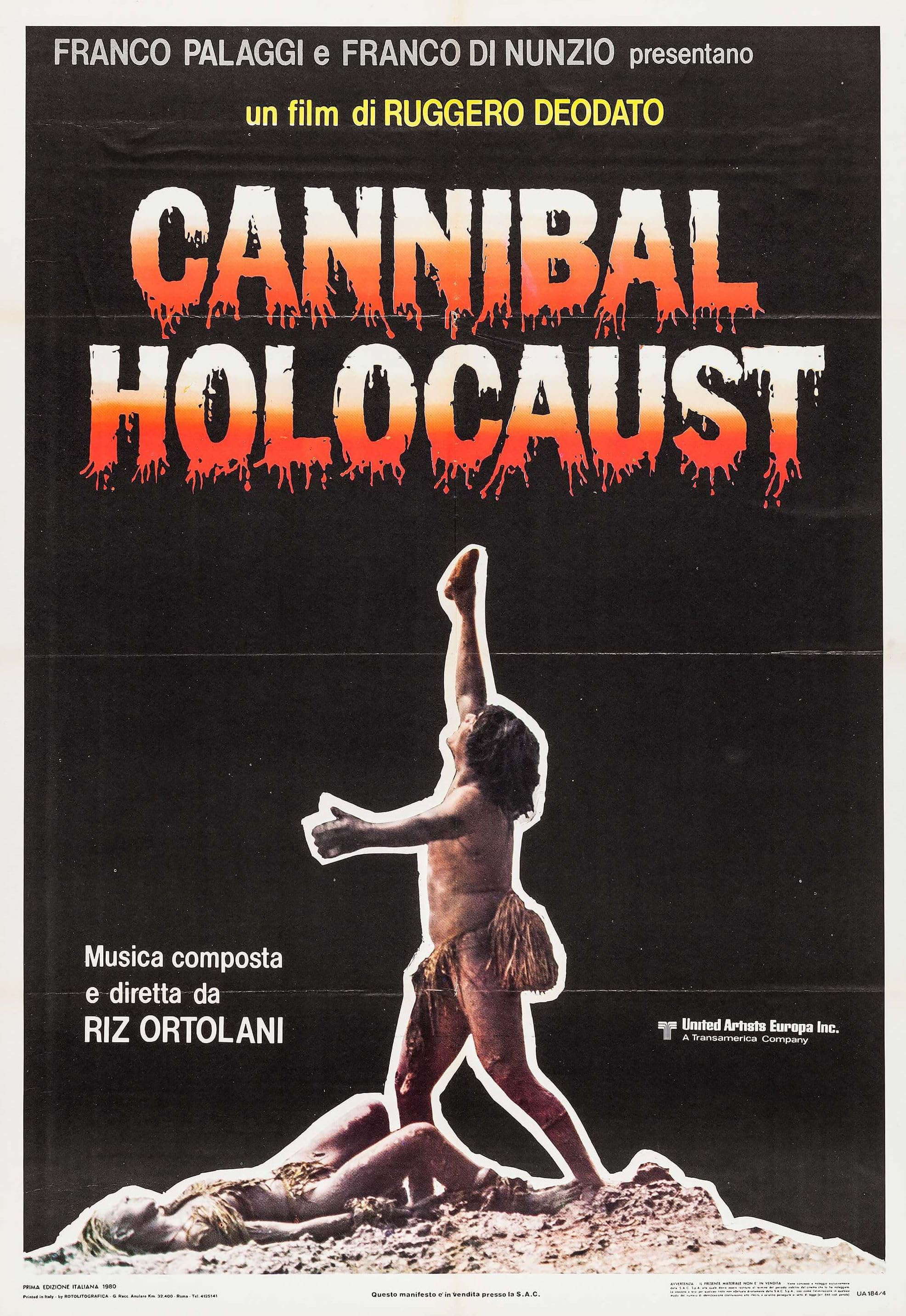
Purported sadist Ruggero Deodato’s Cannibal Holocaust is a tough watch thanks to sickening acts of animal cruelty and the kind of realistic practical effects that landed the director in court on a potential murder charge, but the force of its conviction and found footage innovations make it one for the history books.
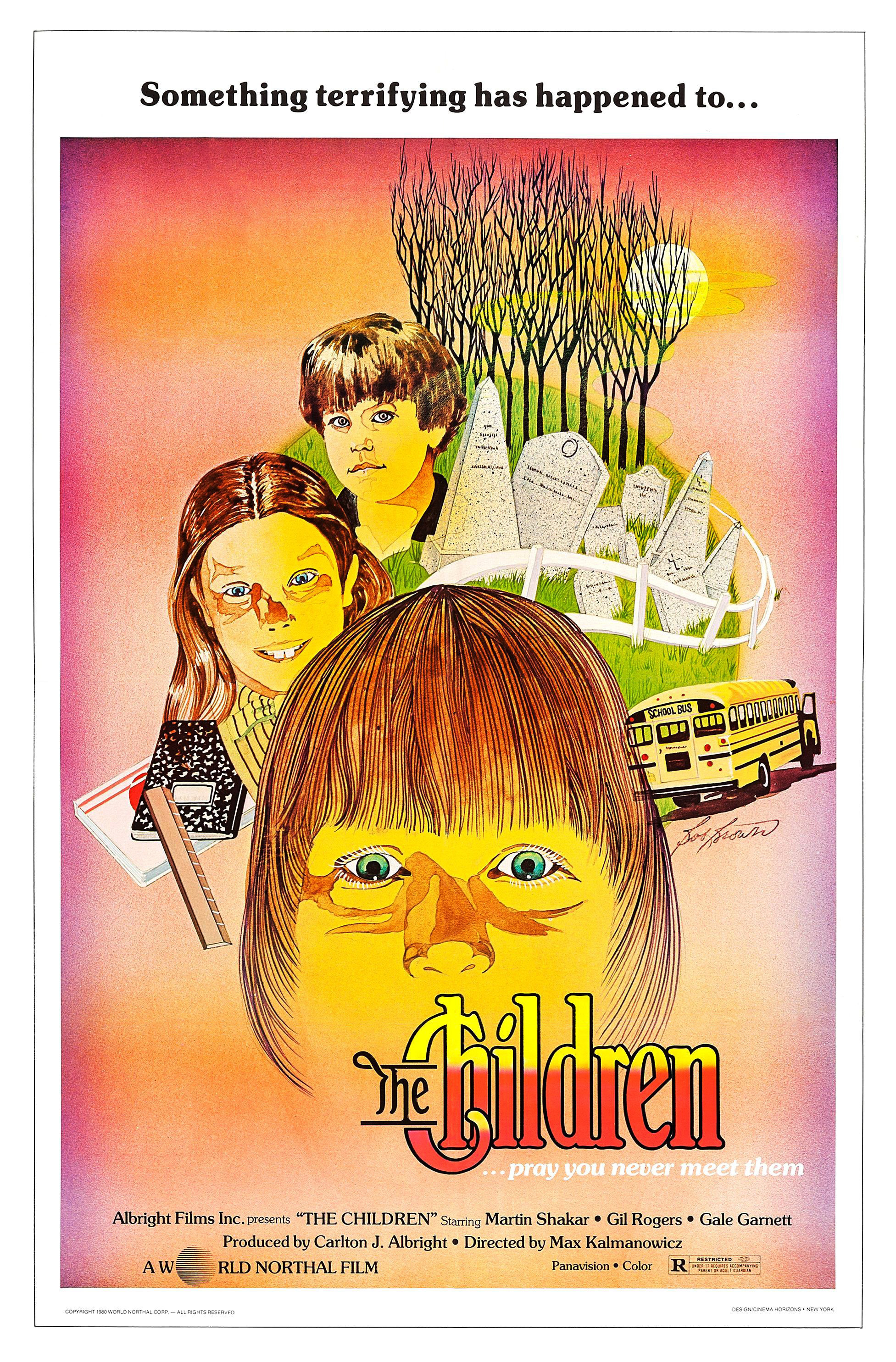
Though low on budget and technical prowess, Max Kalmanowicz’s The Children is a nasty little slasher that takes the ‘evil kids’ concept to a candid and uncomfortably relatable level.
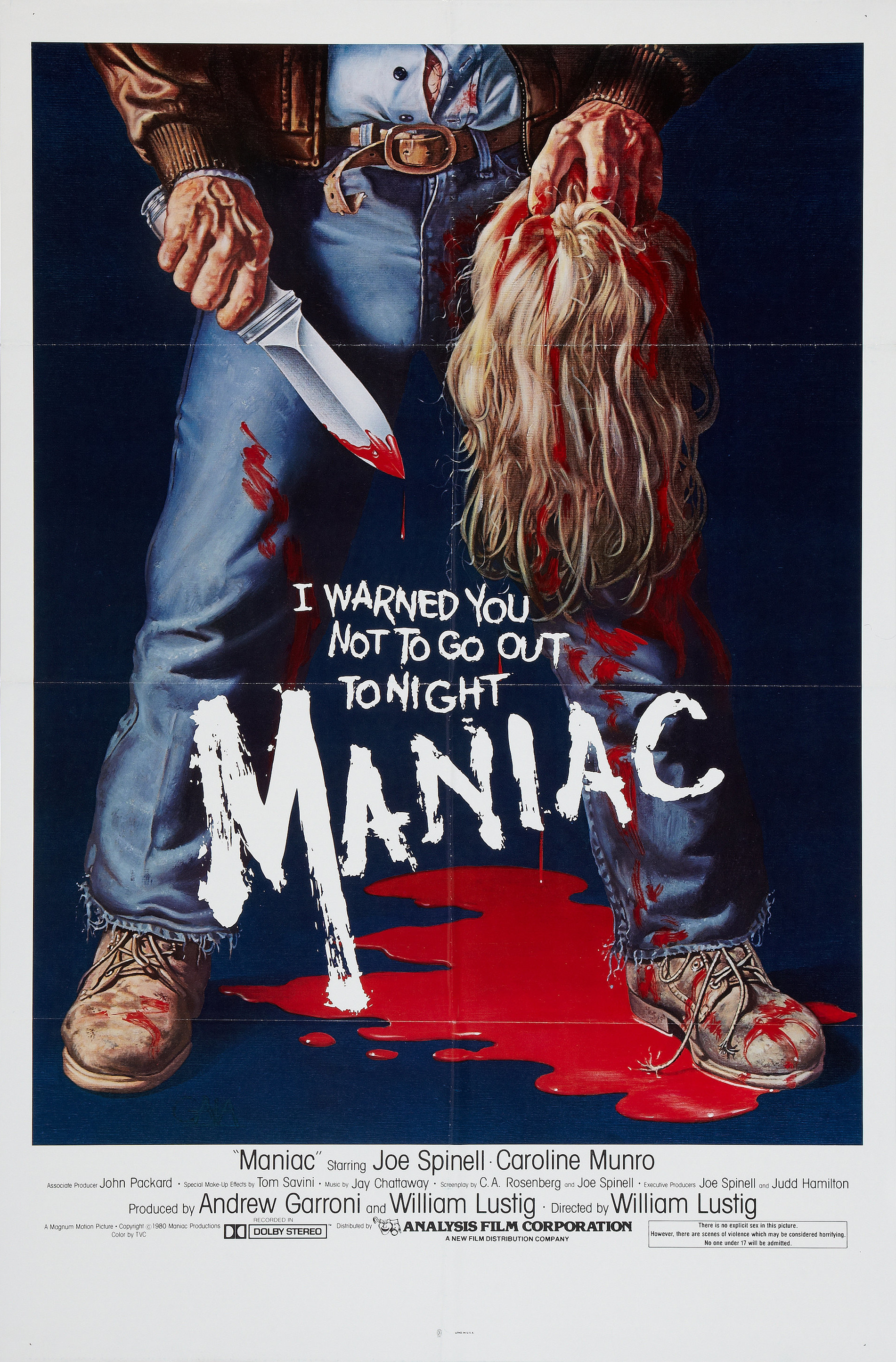
Thanks to some mind-blowing practical effects wizardry from genre icon Tom Savini and a somewhat troubling performance from lead actor Joe Spinell, golden age slasher Maniac is more than worthy of your attention.
1981
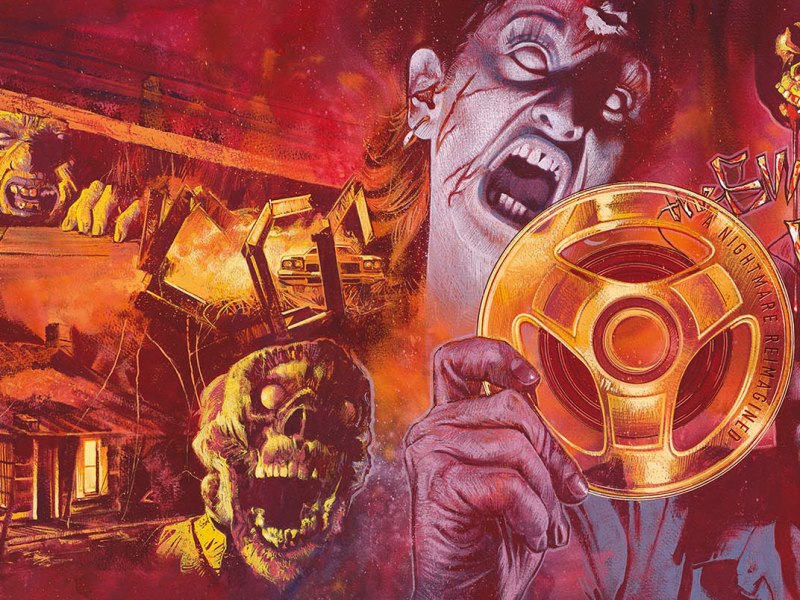
The Evil Dead (Dir. Sam Raimi)
Cited as ‘the number one video nasty’ by a British conservative activist who later admitted to having never seen the movie, Sam Raimi’s shoestring assault The Evil Dead was nonetheless worthy of its notoriety. Heavily censored to the point that Raimi would later remake the film under the guise of a sequel, the movie, approached with the stripped-back purity of early Romero, remains plenty offensive, particularly during a protracted rape scene involving some possessed woodland, and while some of those stop motion effects are dated by today’s standards, Raimi’s indie phenomenon remains an altogether unnerving experience.

Despite its obvious tongue-in-cheek qualities, the kind that were later fleshed-out for 1987’s Evil Dead II: Dead By Dawn, Raimi’s original ‘demons in the wilderness’ horror retains a nasty streak that is further embellished by a remote setting and the kind of DIY budget that screams ‘reality’. Against all odds, it’s also a superbly made movie whose craft and ingenuity are undeniable. The sequels may have attained a higher cult status among genre geeks, but none had the cultural impact of the original, which for all intents and purposes may be ‘the number one video nasty’, despite the hypocrisy.
Honourable Mentions
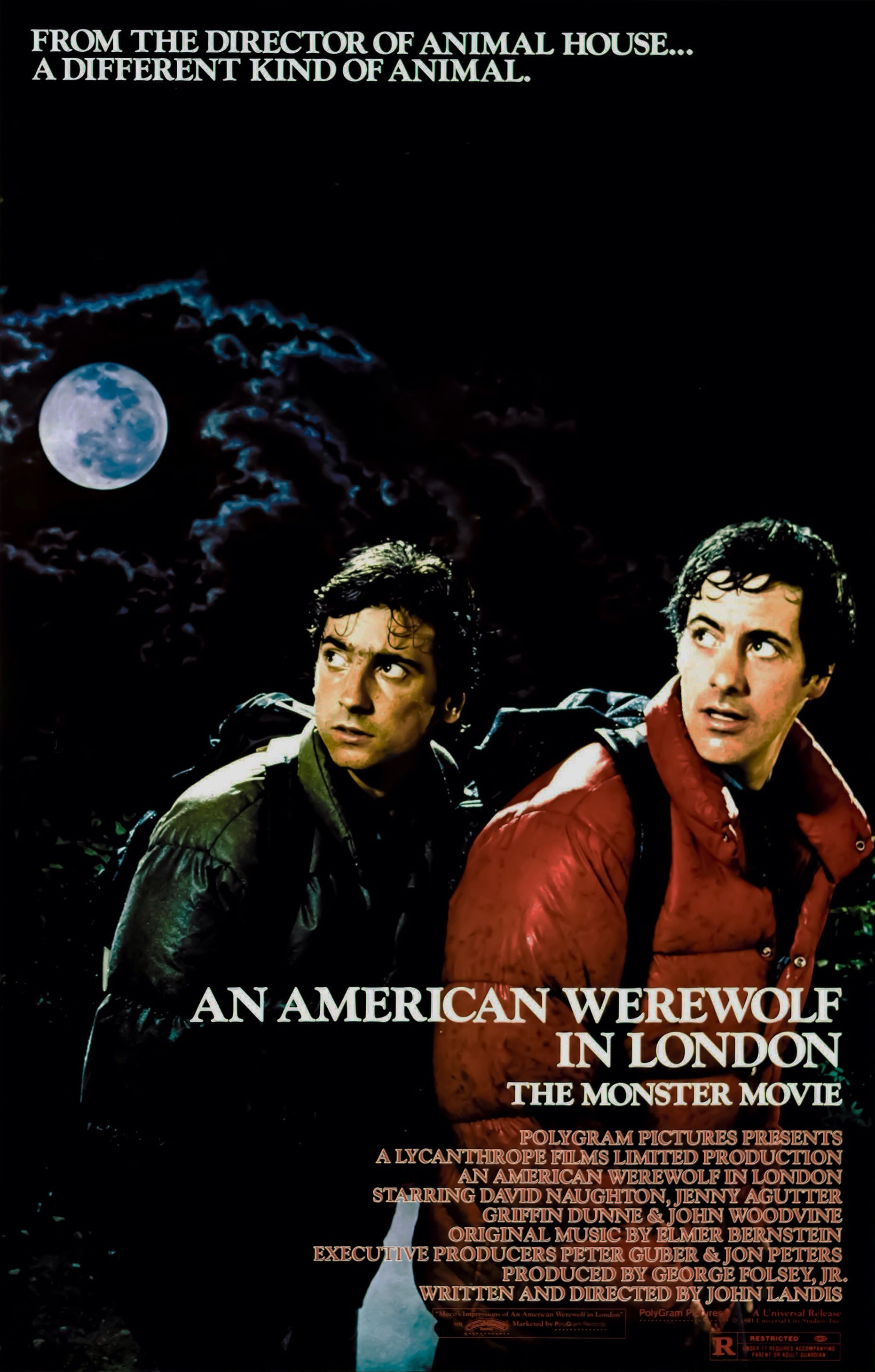
Many will slay me for not placing John Llandis’ Oscar-winning An American Werewolf In London in the number one spot, and a movie that performs a unique balancing act between horror and comedy is certainly worthy of that position, the film’s incredible transformation sequence merely the cherry on a multi-tiered cake of thrills and spills.
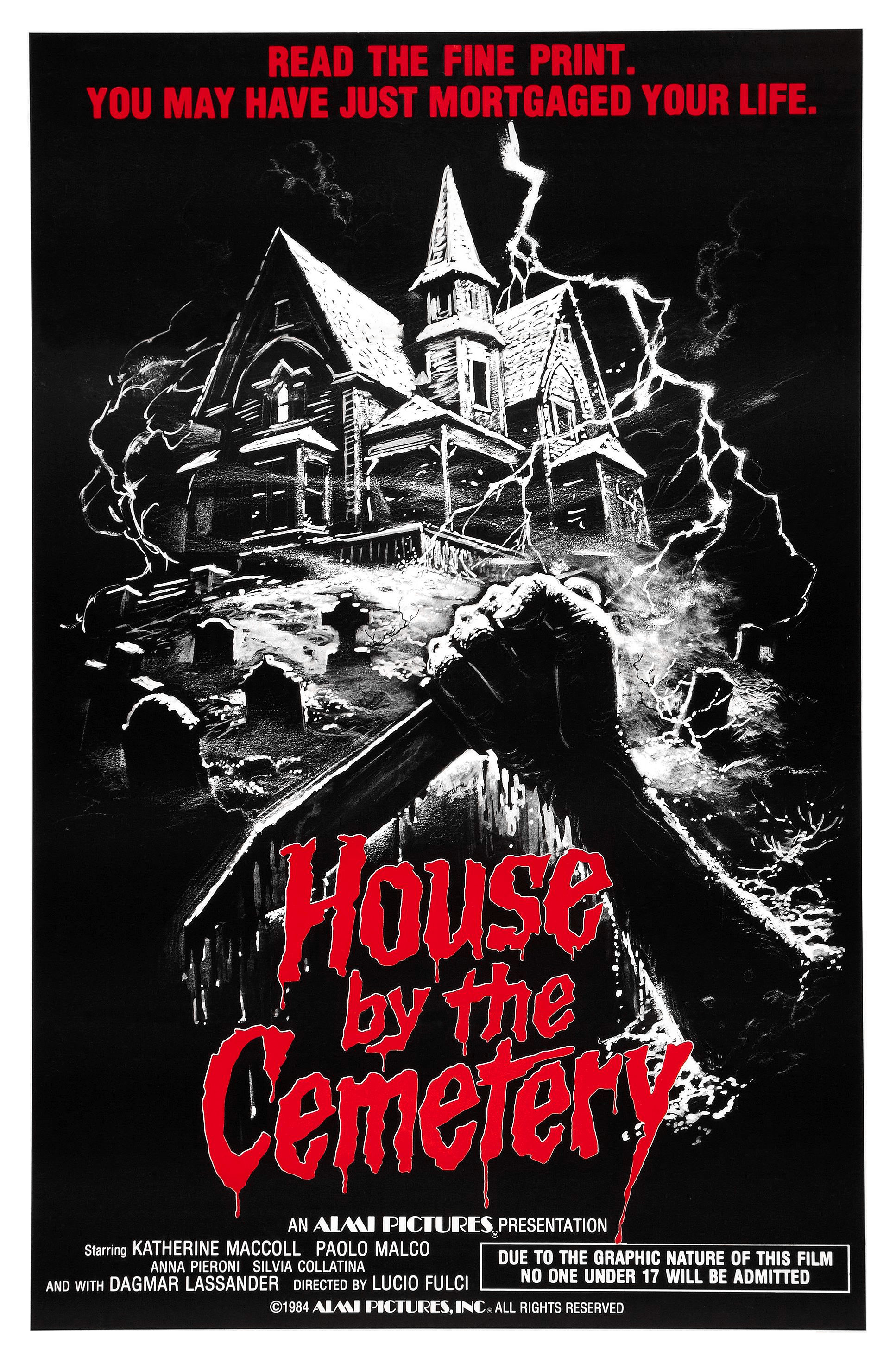
Lucio Fulci does what Fulci does best with a Jackson Pollock of artistic splatter in The House By the Cemetery, the final instalment of the director’s ‘Gates of Hell’ trilogy.
Disguised by his unique-to-the-franchise peephole pillowcase, Jason Voorhees made his marquee debut in Friday the 13th Part 2, which despite its underdeveloped lore and comparatively no thrills execution is regarded by many as the best in the series.
Far-out Frights
Some of Tom Savini’s finest work and an aura of hopelessness make Tony Maylam’s summer camp splatterfest The Burning, based on the real-life urban legend Cropsey, one of the standout entries of the slasher’s golden age
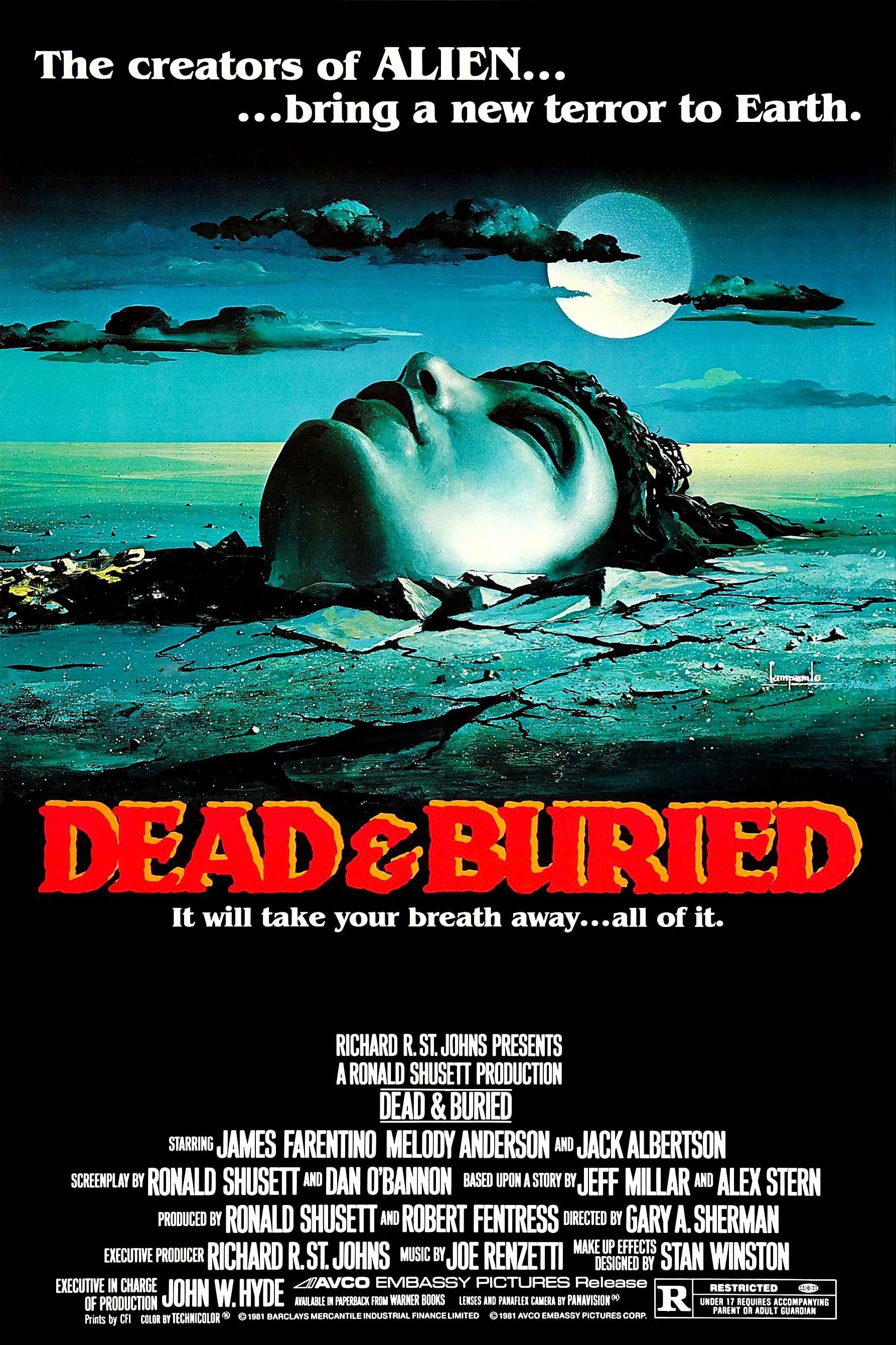
A real outlier in the 80s horror pantheon, Gary Sherman’s deliciously macabre Dead & Buried, the twisted tale of a remote seaside town under siege from a mysterious rabble embroiled in murder and reanimation, is an ugly little treat that can be surprisingly vicious.
Record-breaking Canadian slasher Happy Birthday to Me is another memorable entry to come out of the sub-genre’s peak year, thanks to a series of memorable kills and a truly breathtaking twist that puts the majority of its shock-dependent peers to shame.



1982
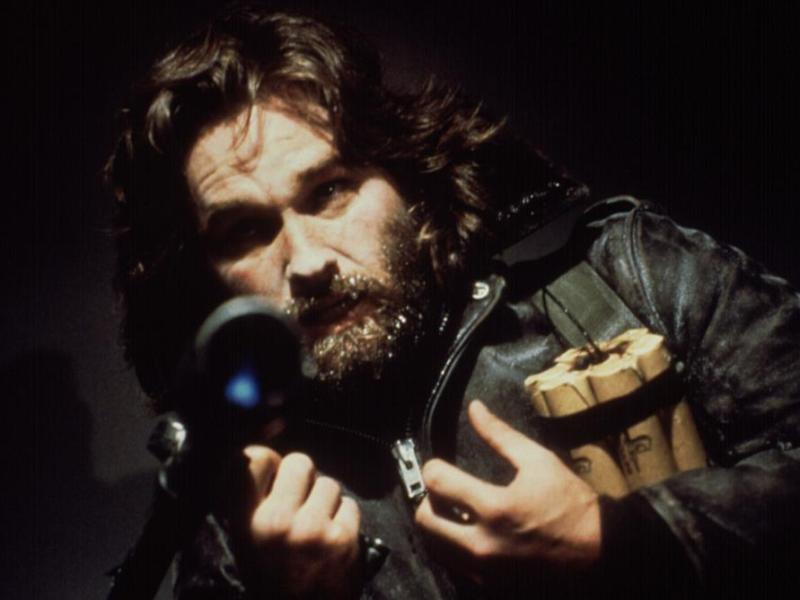
The Thing (Dir. John Carpenter)
Owing to its effective simplicity and mindblowing financial returns, the great John Carpenter would always remain in the shadow of Halloween to some extent, but despite lukewarm reviews upon its release and an equally tepid box office, many regard the filmmaker’s practical effects heavy remake of 1951’s The Thing From Another World as his finest work. Replacing the source material’s xenomorphic alien with for an elusive creature that can assimilate organisms on a cellular level, The Thing ramps up the tension and the visual thrills as a remote outpost succumbs to the particular skills of an almost undetectable threat.

The Thing was hammered for its supposed reliance on practical effects, which were a cause for concern for a generation weaned on traditional horror of the more suggestive variety, but also for its unremitting sense of nihilism. Of the movie’s critical backlash, Carpenter would say, “I’ve always thought that was somewhat unfair. I mean, the whole point of the monster is to be monstrous, to be repellent. That’s what makes you side with the human beings. I didn’t have a problem with that. The critics thought the movie was boring and didn’t allow for any hope. That was the part they really hammered on. The lack of hope is built into the story. There is an inevitability to it, but that’s not necessarily a negative.”
Honourable Mentions
George Romero’s Stephen King penned horror anthology Creepshow stayed true to its EC Comics heritage with a splash panel visual motif, a playfully devilish animated wraparound segment and five engaging tales that tap into human fears and morality.
The Stephen Spielberg produced supernatural horror Poltergeist, directed by horror maestro Tobe Hooper, took the former’s kids in peril formula into adult territory. Hooper was hired by Spielberg to dodge contractual obligations that prevented him from directing while developing E.T., and the latter’s thumbprints are all over this one.
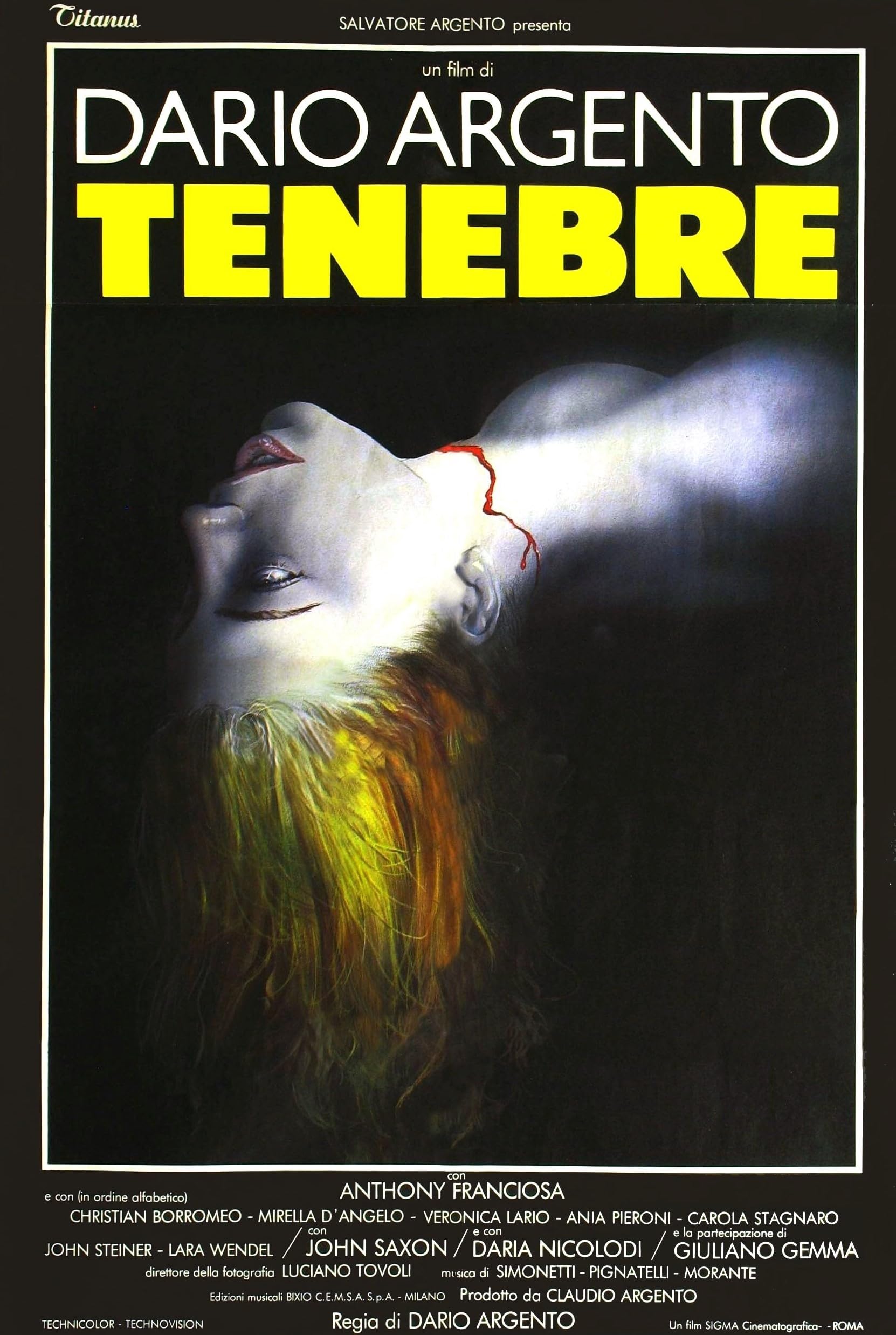
Backed by a typically propulsive Goblin score, Dario Argento’s gorgeous giallo Tenebrae piles on the gore with breathless scares and technical prowess, including a beguiling, two-and-a-half-minute, single-take crane shot that is among the most stylish of the era.
Far-out Frights
The movie that unsettled a generation of Walkman devotees, Damiano Damiani’s ugly franchise prequel Amityville II: The Possession proves a truly startling experience that adds themes of incest, domestic abuse and familicide to its practical effects-heavy, demonic possession tale.
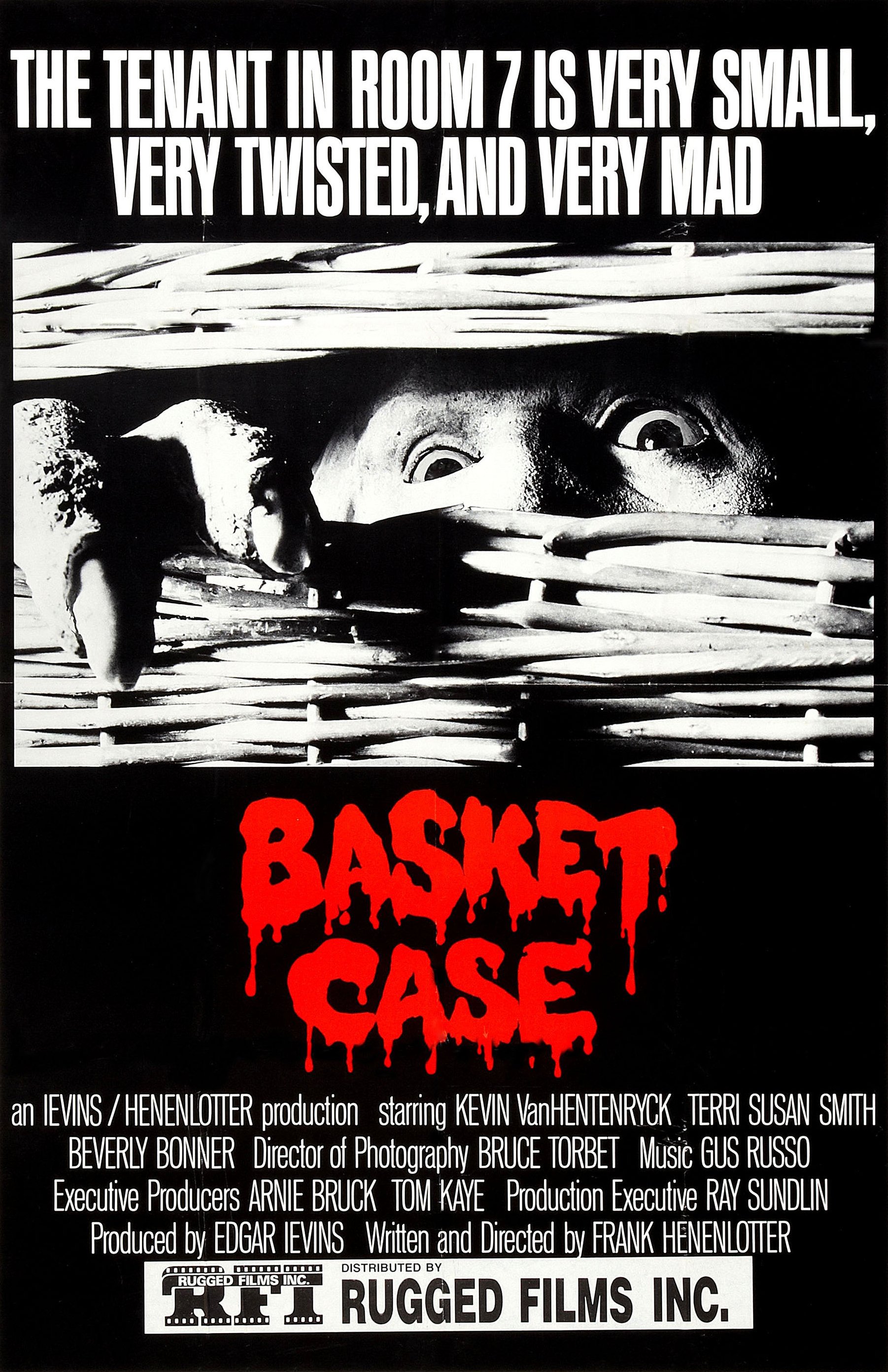
Set in a dirty New York reminiscent of Martin Scorsese’s Taxi Driver, Frank Henenlotter’s Basket Case, a twisted tale of vengeful conjoined twins separated at birth, is an indecorous delight with a truly disturbing blob-like antagonist.
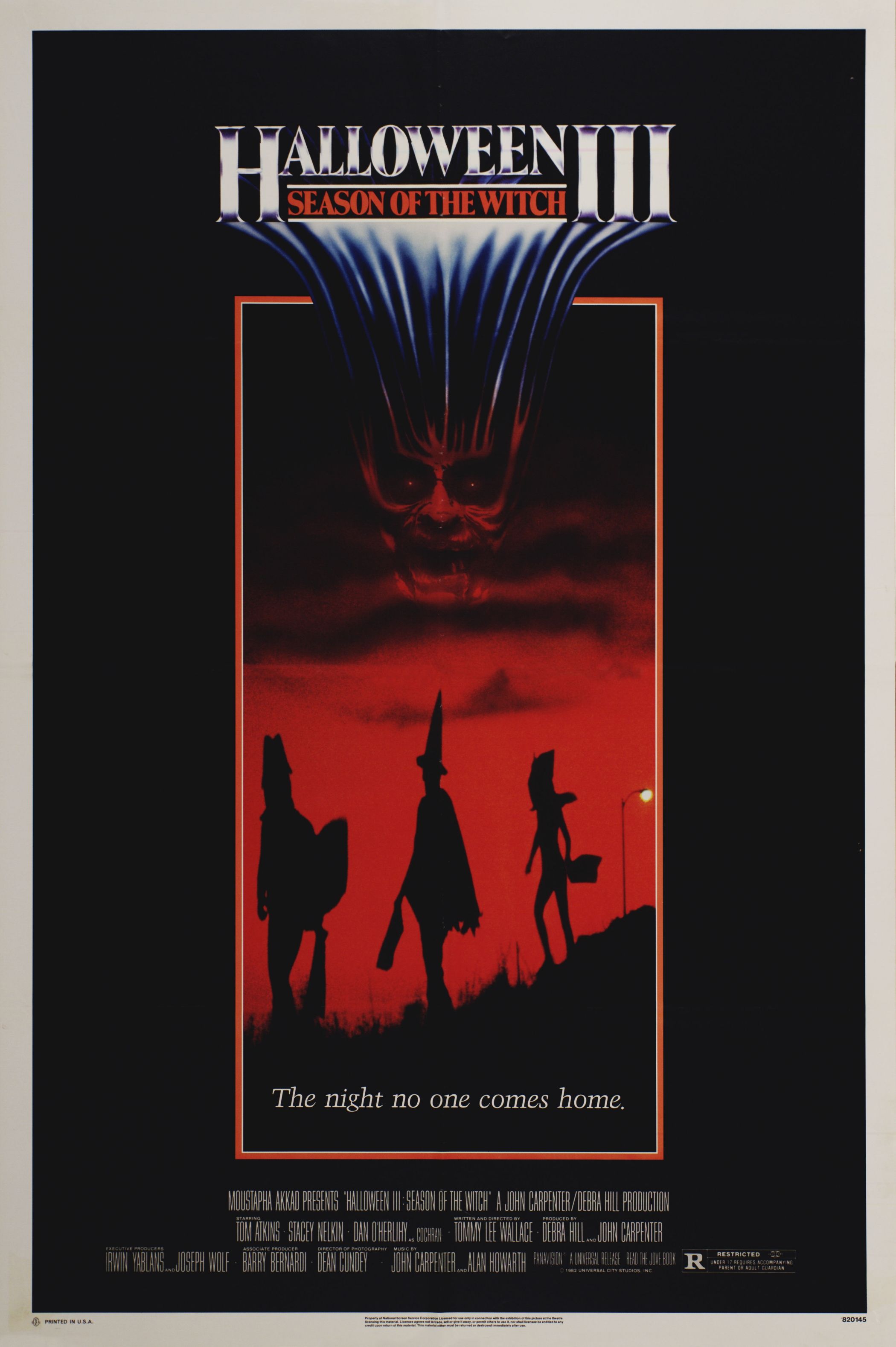
A failed experiment following the temporary killing off of one Michael Myers, Halloween III: Season of the Witch may have failed as the genesis of an annual, Shape-less horror franchise, but a bleakly dystopian John Carpenter/Alan Howarth score and a kitsch, curious yarn involving treacherous Halloween masks make this one a firm cult favourite.



1983
Videodrome (Dir. David Cronenberg)
David Cronenberg’s techno-surrealist headscratcher, lost on US audiences back in 1983, is as unsettling as they come, Oscar-winning practical effects maestro Rick Baker working wonders to bring the filmmaker’s analogue-infused brand of body horror to the big screen. A multi-faceted commentary on horror movie censorship, technological dependence and media-led indoctrination, Videodrome is arguably the director’s finest work, a suitably slippery James Woods excelling as a sleazy porn executive sucked into an elusive world of hallucinatory snuff films and political assassination.

Rather than embrace a future in which automation makes our lives easier and more satisfying, Cronenberg presents it as yet another outlet for human corruption. Not only does Videodrome challenge our dependency on technology, it predicts our fetishization of mind-numbing devices and the insidious nature intrinsic to all modern technology. Cronenberg was always looking to push the visual boundaries, and Baker’s jaw-dropping contributions were some of the most difficult of his entire career, to the extent that much of what was suggested in the script proved impossible, the two forced to collaborate on the fly. The scene in which Woods’ chest develops a vaginal cavity which doubles-up as a front loader for his taboo tape collection remains one of the genre’s most unnerving.
Honourable Mentions
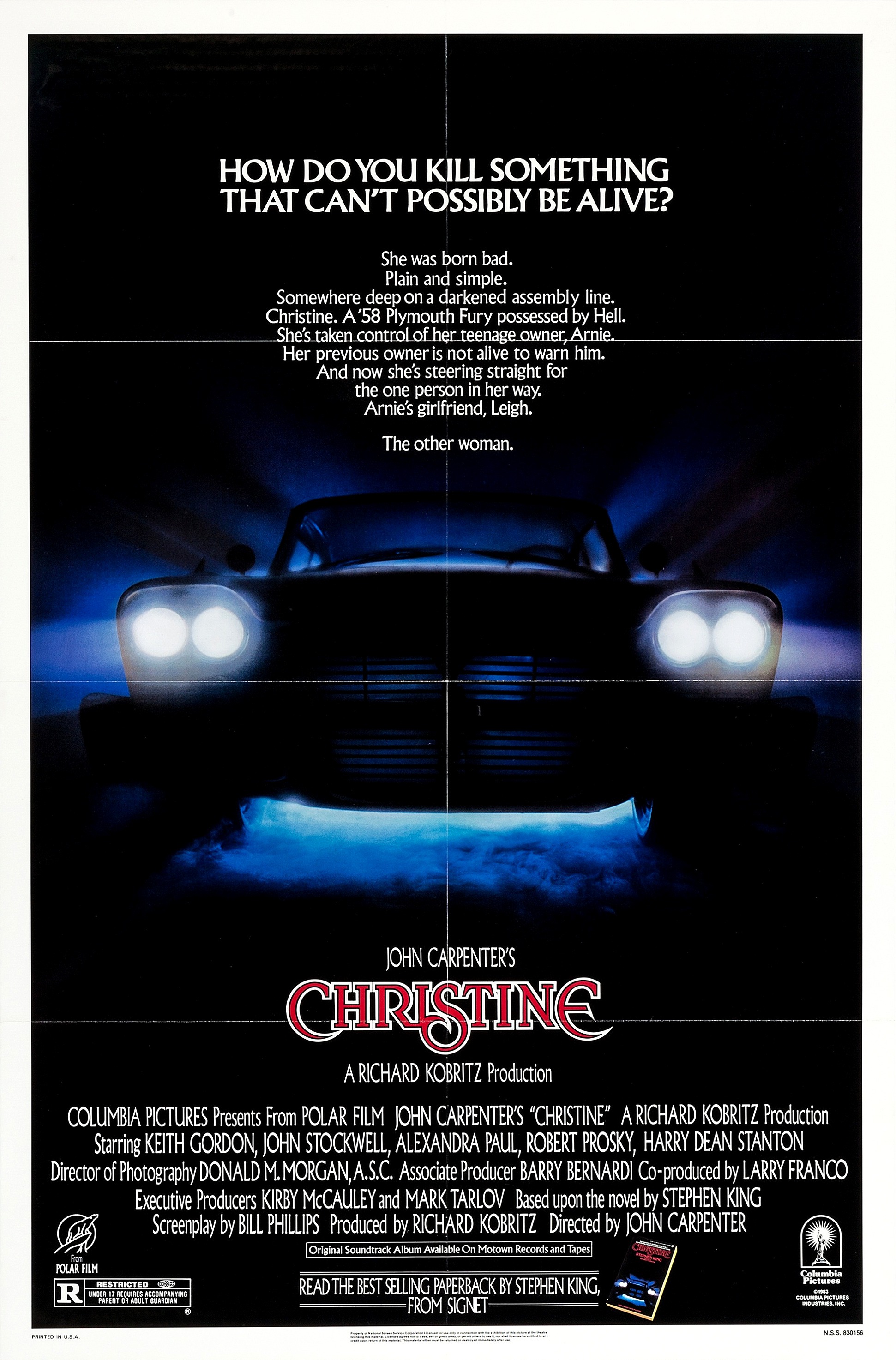
John Carpenter’s Stephen King adaptation Christine is one the filmmaker’s most overlooked entries. Despite a killer car concept that is better left to the imagination, Carpenter somehow manages to breathe life into the iconic 1958 Plymouth Fury thanks in no small part to a tremendously creepy performance from Keith Gordon as the doomed teenager at the heart of events.
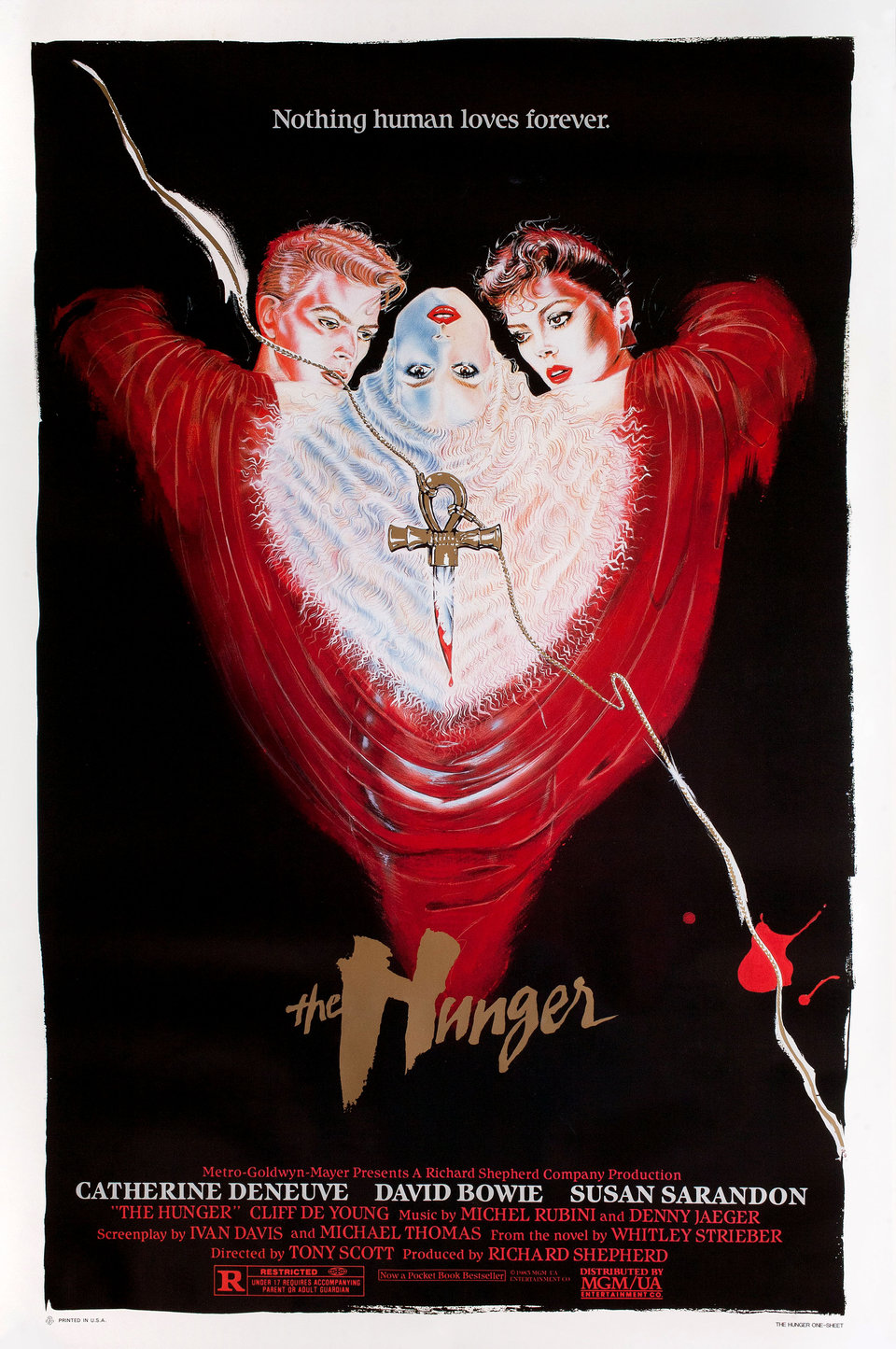
Part of the 80s vampire revolution, Tony Scott’s style-over-substance, erotic horror film The Hunger is a strikingly stylish, star-laden curio, despite pacing issues that place it firmly in the love/hate category.
Denounced as the ultimate act of sequel sacrilege, Richard Franklin’s bold and brilliant Psycho 2 reimagines the deeply disturbed Norman Bates as the movie’s preyed-upon victim, until a famous scene with a shovel restores normality with a deeply satisfying thump.
Far-out Frights
Famously disowned by director Michael Mann due to extensive studio interference that cut the film’s running time in half, The Keep‘s troubled production only added to the fascination surrounding it. Fantastic performances, sumptuous visuals and a typically emotive soundtrack from regular Mann collaborators Tangerine Dream make this one a left-field treat.
Robert Hiltzik’s largely by-the-numbers summer camp slasher Sleepaway Camp, which clumsily treads contentious sexual lines, features a twist so shocking it simply has to be seen.
A fledgling New Line Cinema’s grungy, British-based sci-fi horror, Xtro, a cynical, doom-laden tale of alien abduction and cross species breeding, proves a surreal curiosity that you can’t look away from.


1984
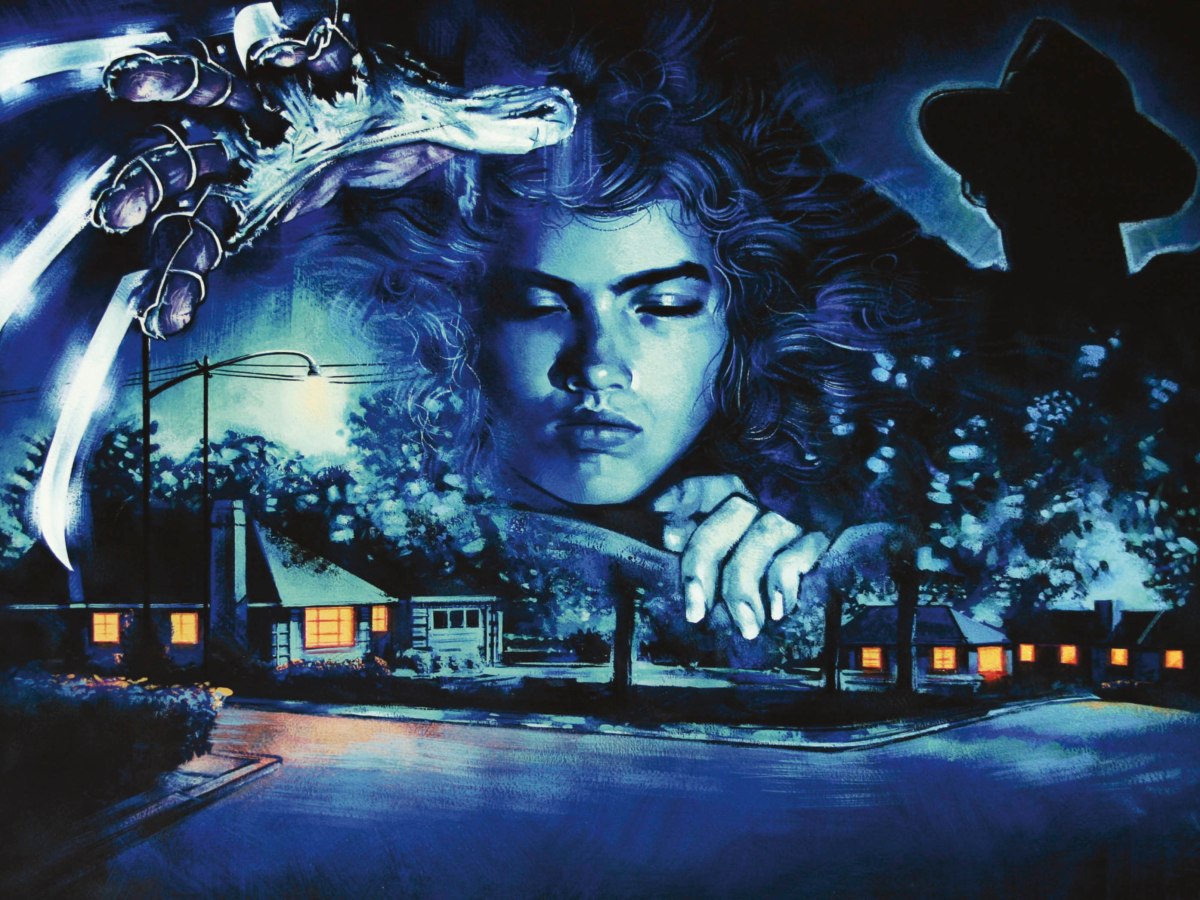
A Nightmare on Elm Street (Dir. Wes Craven)
The late Wes Craven revived the moribund slasher twice in two decades. Of the two movies in question, meta innovator Scream (1996) had the most transformative effect on the genre, but 1984’s A Nightmare on Elm Street wasn’t short of imitators in the years after its release as Freddy fever took on a life of its own. Those later sequels may seem silly and slapstick at best, but Craven’s original instalment – meant as a standalone piece until New Line Cinema boss Robert Shaye convinced him otherwise – was of a much darker persuasion, as was future funny man Krueger. Craven’s ingenious dreamworld concept screamed franchise from the off. It’s just amazing that nobody came up with it earlier.
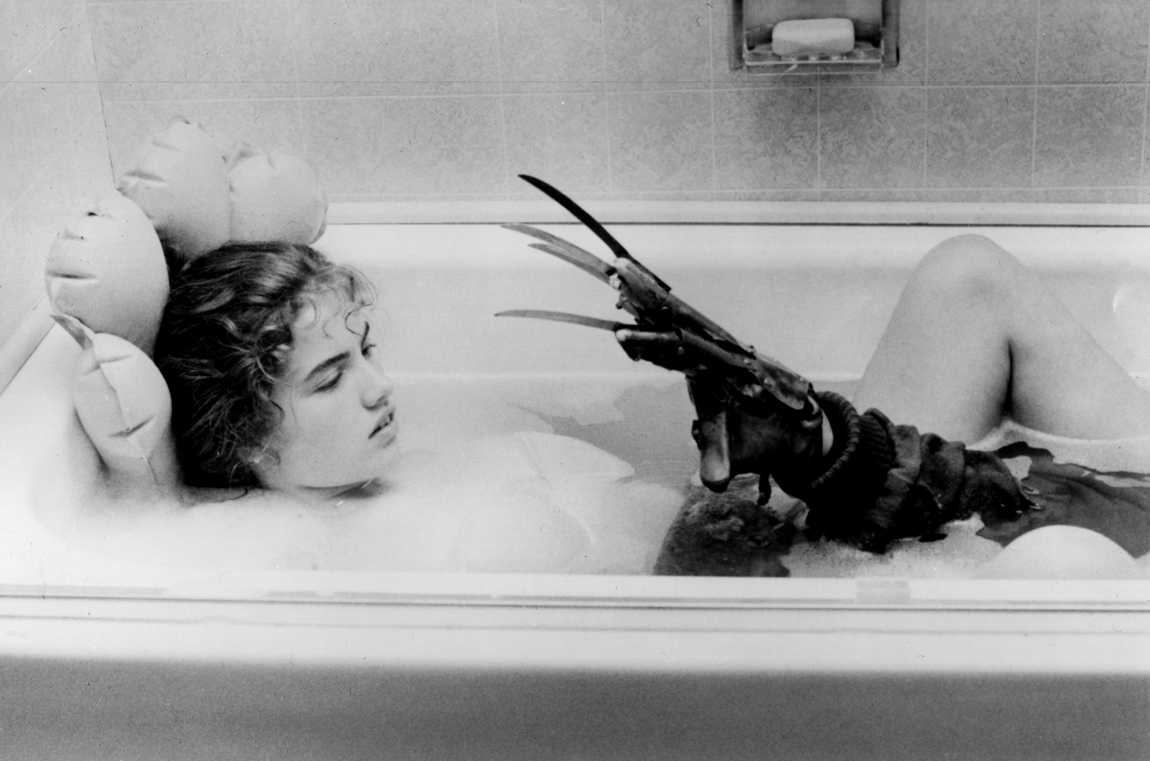
Though A Nightmare on Elm Street was subjected to the usual cuts in an era of horror censorship gone mad, Craven’s deft, supernatural twist on a genre that typically relied on cynical, low-budget realism, meant that Krueger could get away with much more than his seek and destroy peers. At approximately $1,000,000, almost a million less than was allocated to the same year’s Friday the 13th instalment, Craven and his team also had a pittance to work with, which speaks to the talent and ingenuity of those involved (some of those crudely executed special effects still look superb). It also speaks to an enigmatic cast of teens and the once in a lifetime performance of the great Robert Englund, who with his trademark cackle and gunslinger stance forged one of the most memorable horror antagonists in genre history.
Honourable Mentions
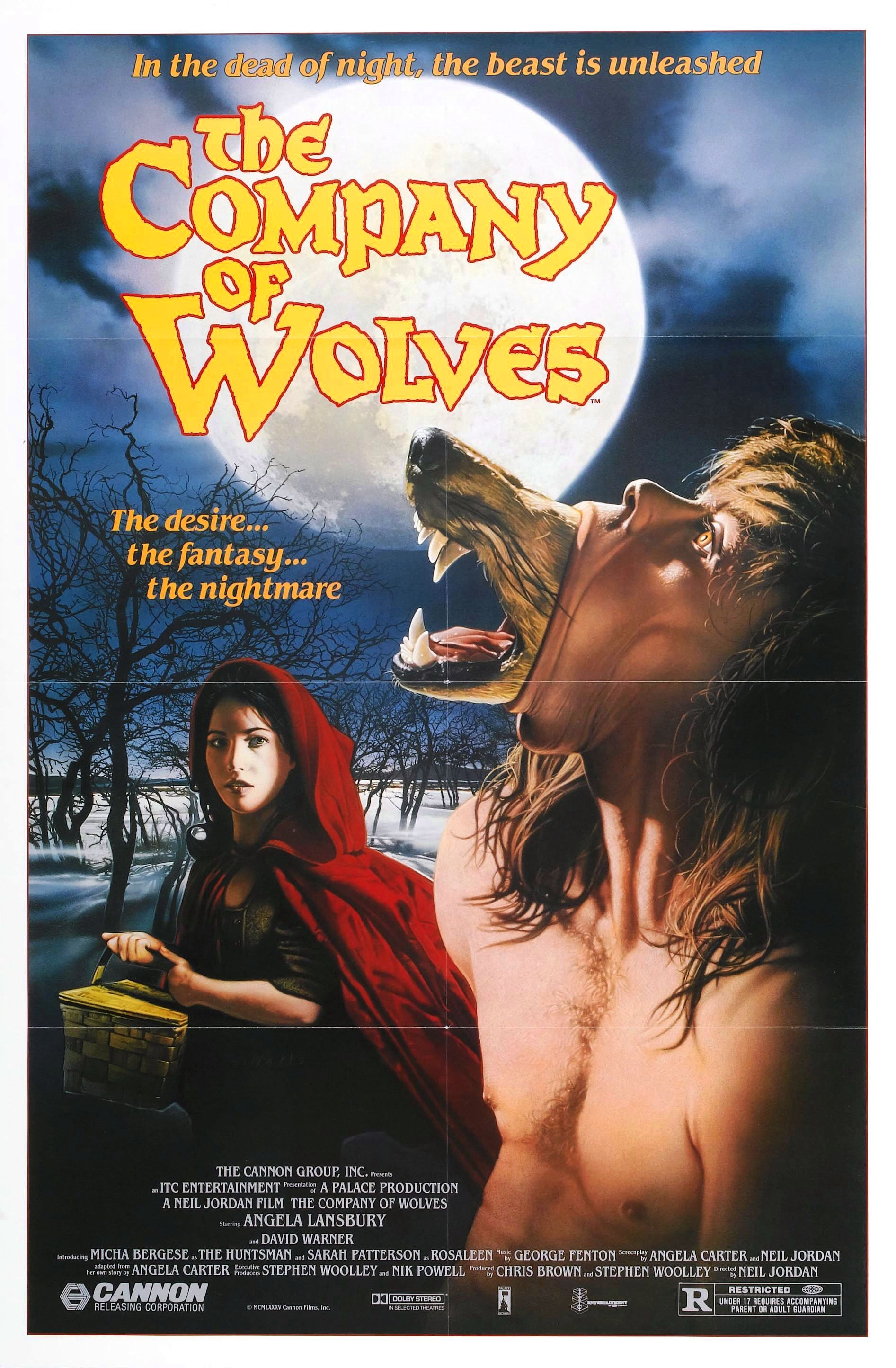
Neil Jordan’s beloved Angela Carter adaptation The Company of Wolves is a hypnotic, Red Riding Hood inspired fairy tale about the fierce nature of sexuality that plays out like an enchanting fever dream. A unique movie to say the least.
One of two movies to contribute to the founding of the PG-13 rating following a widespread backlash from outraged parents, Joe Dante’s Spielberg-backed anti-Christmas take on It’s a Wonderful Life, Gremlins, would become a deliriously wicked festive staple that pushed the boundaries of family entertainment.
Though not a horror movie in the traditional sense, James Cameron’s The Terminator, based on a slasher-esque fever dream, forged one of the most terrifying characters in cinematic history, accentuating a rookie Arnold Schwarzenegger’s strengths to devastating effect. What’s more terrifying than something that absolutely will not stop, ever, until you are dead?
Far-out Frights
Despite Paramount’s seemingly earnest proclamations, Friday the 13th Part IV: The Final Chapter was never likely to be the end for the madman in the hockey mask, but many fans believe that the series peaked here thanks to a relatively memorable cast and a frenetic performance from one-time Jason portrayer Ted White.
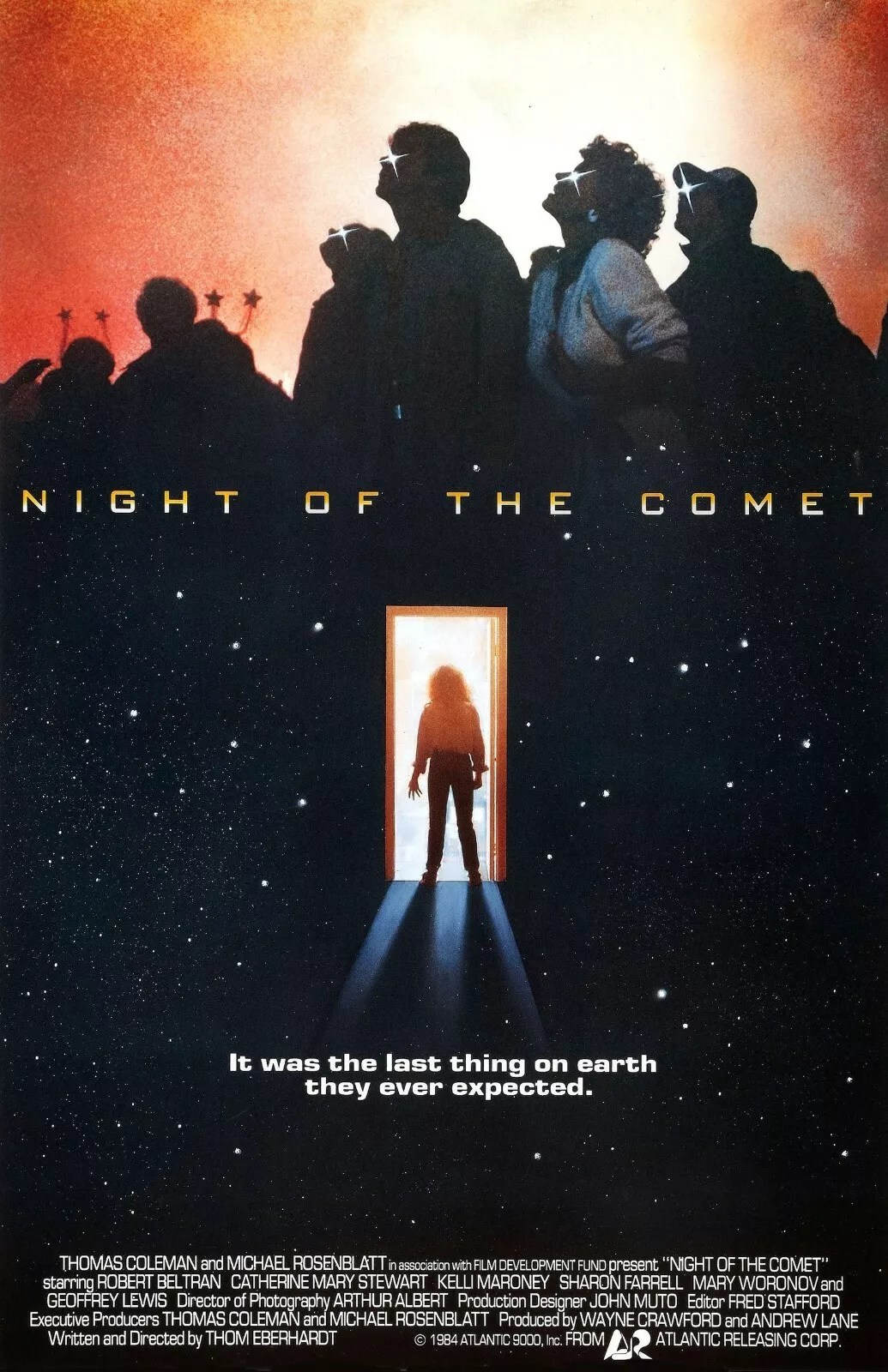
Two Valley girls survive an apocalyptic comet, only to face a band of roving cannibal zombies in Thom Eberhardt’s vastly underappreciated, tongue-in-cheek sci-fi horror Night of the Comet. Even Siskel & Ebert liked this one.
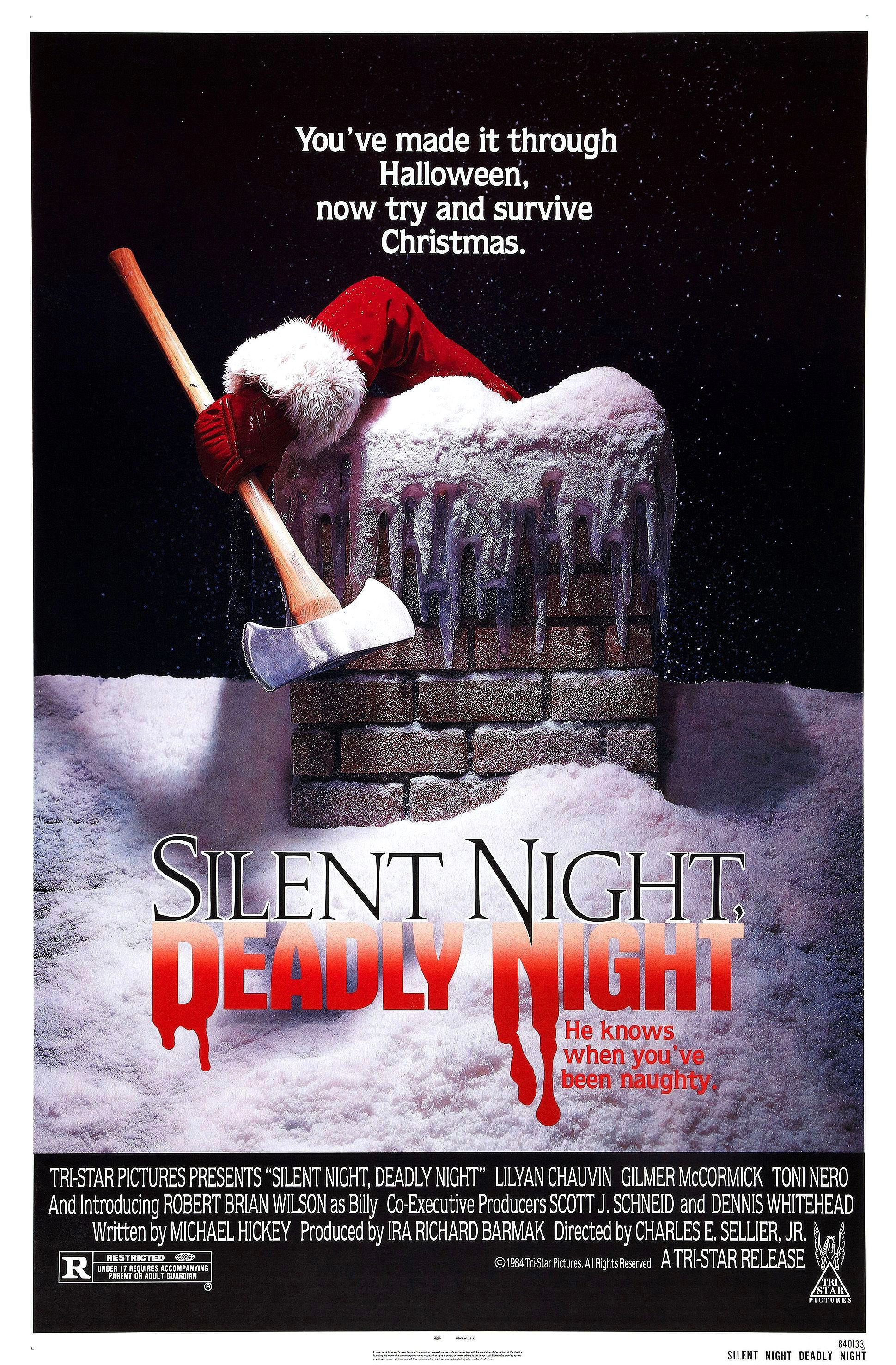
Festive slasher Silent Night, Deadly Night was outperforming A Nightmare on Elm Street until it was unceremoniously pulled from theatres during its opening weekend following a national outcry, which speaks to the controversy surrounding it. Super low-budget and shamelessly uninventive, Charles E. Sellier’s sleigh bell slasher is still one for the history books.


1985
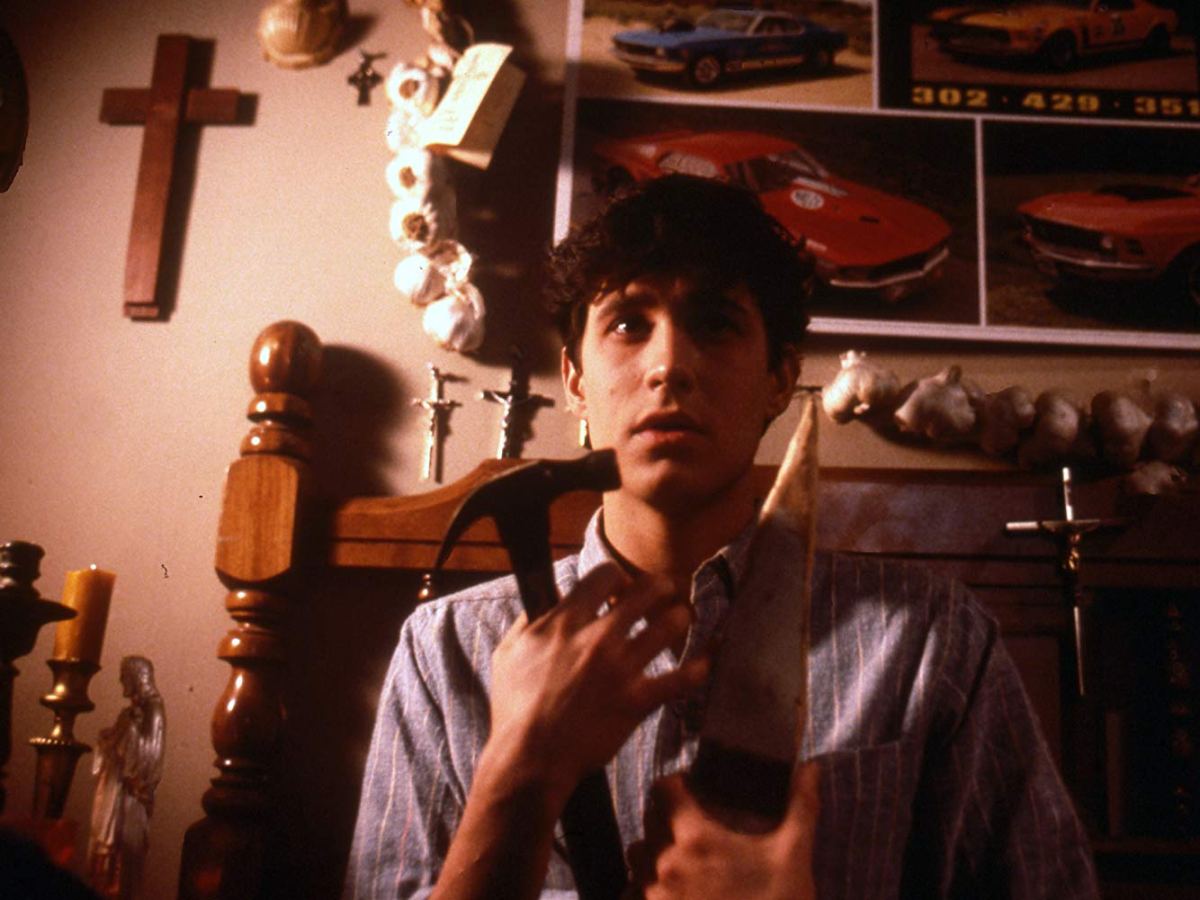
Fright Night (Dir. Tom Holland)
Of the 80s genre re-imagining that brought The Hunger, Near Dark and cult favourite The Lost Boys into the realm of cinematic vampires, writer/director Tom Holland’s Fright Night is, at least on the surface, the most traditional of a post-modern bunch, but that is precisely the point. Holland relies on classic vampire tropes in order to subvert them, dropping the brilliant Chris Sarandon’s sardonic vamp, Jerry Dandridge, into an everyday 80s suburbia, an environment dominated by slasher villains that views vampire lore as passe, allowing him to operate freely and easily avoid suspicion. This is a waking nightmare for neighbour Charlie Brewster, a horror-obsessed teen whose ravings about dead bodies and coffins in the night inevitably fall on deaf ears.

When Charlie spies Dandridge with some sultry prey, a deliciously self-mocking Sarandon turns up the heat, first by manipulating an invite from Charlie’s smitten mother, and then by targeting his high school sweetheart, who resembles a centuries-old lost love, for transformation and enslavement. Roddy McDowell is equally brilliant as a washed-up ham actor and newly unemployed horror TV host who reduces himself to taking money off Brewster’s friends with the duplicitous intent of proving that Dandridge doesn’t belong to the dominions of the undead. Of course, the self-aggrandising former fictional vamp slayer quickly bites off more than he can chew. A cute concept, deftly delivered, an amazing cast and some truly memorable practical effects make Fright Night one of the finest horror/comedies in existence.
Honourable Mentions
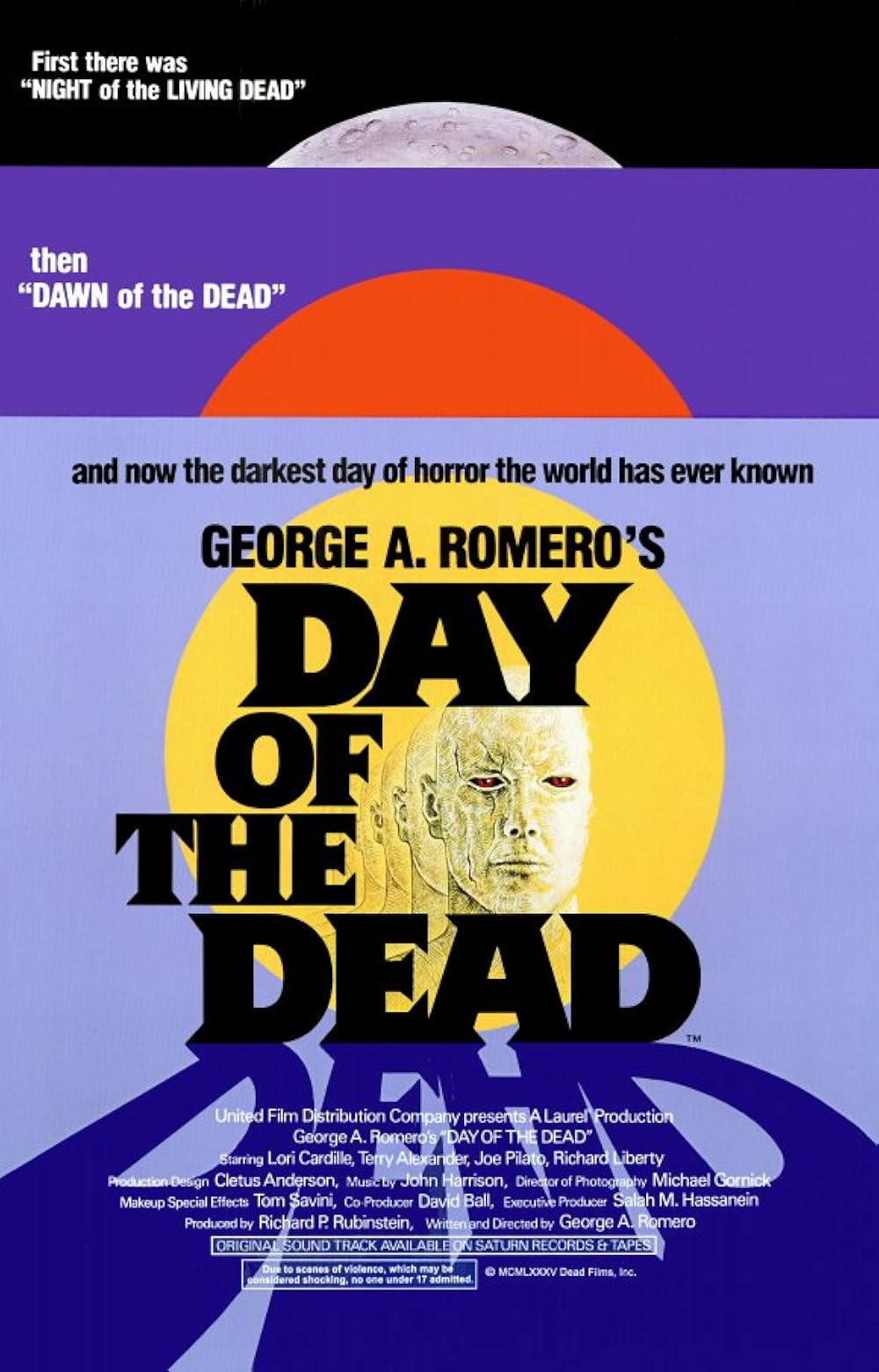
Romero would conclude his seminal ‘zombie trilogy’ with a beloved commentary on human co-operation. Day of the Dead, which further benefits from arguably practical effects maestro Tom Savini’s best work, may not have the innovative clout of previous entries, but it breathes the same air.
Another fabulous horror comedy that relies on classic tropes in order to subvert them, Dan O’Bannon’s punkish send-up of classic Romero, The Return of the Living Dead, is a massive cult favourite for a reason.
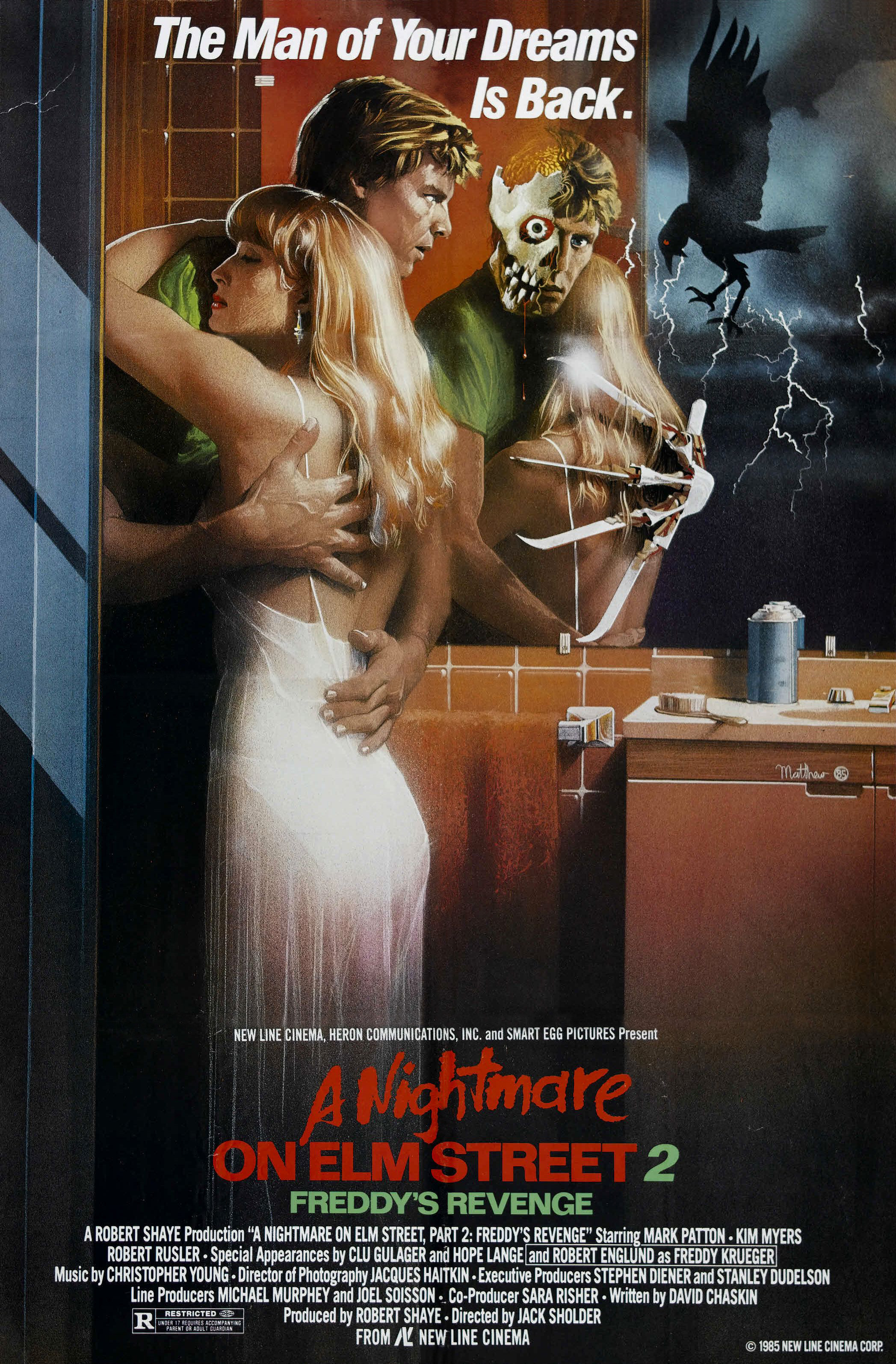
Strangely ditching the original film’s innovative dreamworld concept for a possession story, Jack Sholder’s somewhat dissonant franchise sequel, A Nightmare on Elm Street Part 2: Freddy’s Revenge, features a unique ‘final boy’ protagonist in an era of ‘gay panic’, and Freddy has never looked scarier.
Far-out Frights
With a keen eye for exploiting phobias, Stephen King horror anthology Cat’s Eye hits the severed head out of the park with humorously ironic segments ‘Quitters Inc’. and ‘The Ledge’, topping off the trilogy with the more cinematic, kids in peril classic ‘The General’ – the only tale of the three written directly for the screen.
A macabre Jeffrey Combs dazzles in Stuart Gordon’s potty and perverse Lovecraft adaptation Re-Animator, which is not, I repeat NOT for the easily offended.
Are you eating it or is it eating you? That’s a fair question in Larry Cohen’s riotous satire on consumerism and globalised produce The Stuff, which plays out like a nightmare advertisement spilled over into reality.



1986
The Fly (Dir. David Cronenberg)
Indie darling David Cronenberg’s first mainstream smash The Fly was one of a series of superior reboots, released during the 1980s, that showcased the era’s love for the 1950s, but Cronenberg’s vision was about as far removed from 1958’s primitive sci-fi yarn as anyone of that era could have imagined, the movie utilising groundbreaking practical effects for a deeply uncomfortable commentary on aging that had worrying AIDS overtones during the virus’ epidemic. Protagonist Seth Brundle’s physical and mental breakdown, while transforming into the infamous Brundlefly after a teleportation experiment gone wrong, remains disturbing in all the right ways. And who could forget that spine-chilling speech about insect politics?
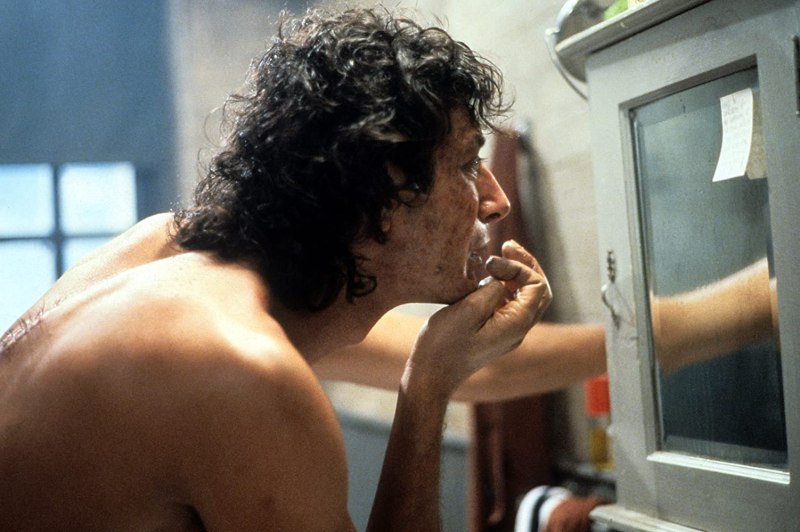
An exceptional Jeff Goldblum was robbed of an Oscar nomination by the notoriously horror-phobic Academy, his portrayal a twitching, frenetic maelstrom of sugar-fuelled fascination, acceptance, and insect-like self-preservation. Never has the actor’s energetic, borderline neurotic act been so perfectly suited to a role. Geena Davis and John Getz are equally impressive as the lovesick and ultimately terrified science journalist Veronica “Ronnie” Quaife and her sleazy editor and former lover Stathis Borans, who gives the bloodless Brundlefly a run for his money as an inhumane creep with selfish DNA. The Fly would bag an Academy Award for Best Makeup (Chris Walas & Stephan Dupuis), but it deserved so much more.
Honourable Mentions
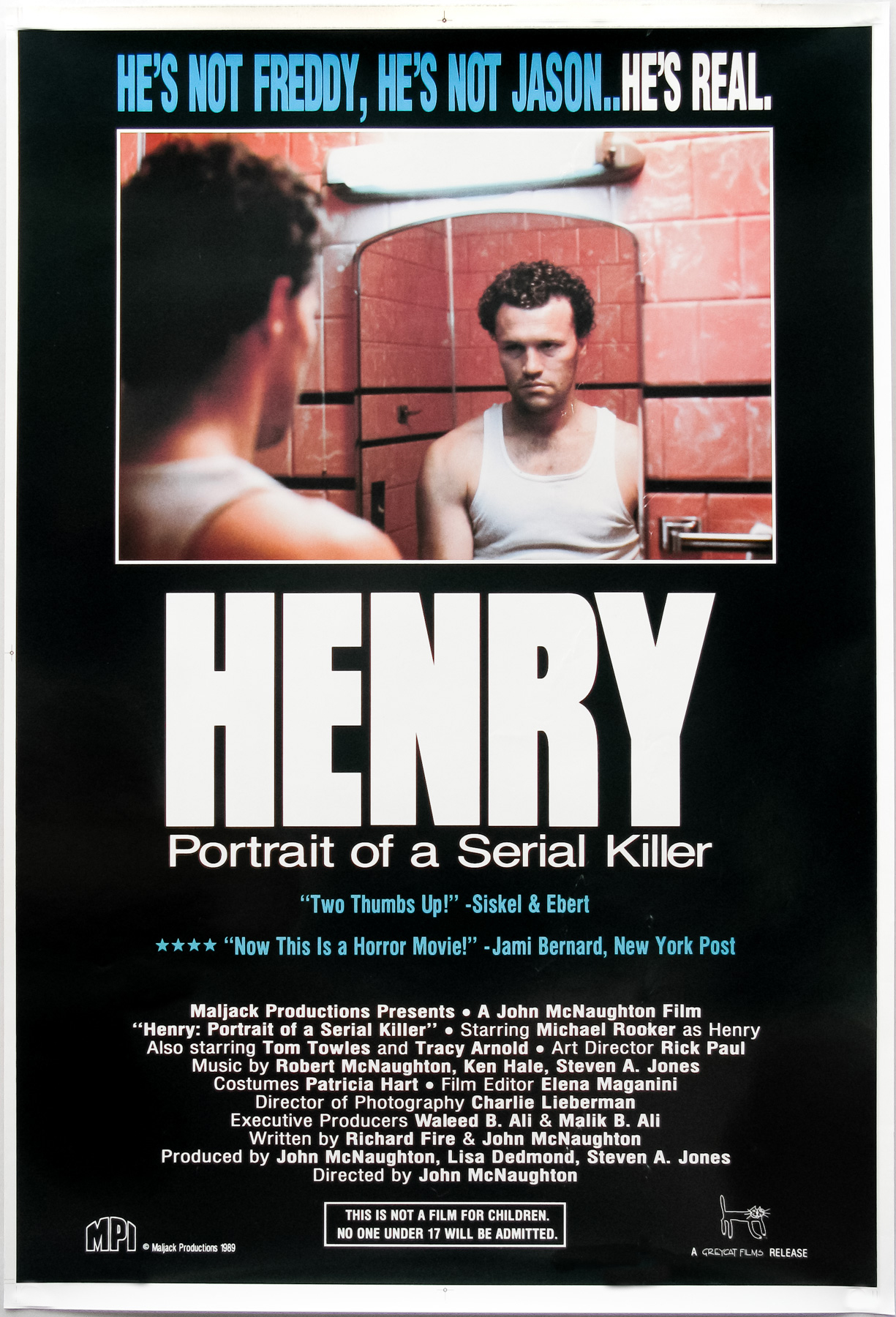
John McNaughton’s devastatingly bleak & painfully authentic docudrama Henry: Portrait of a Serial Killer put the slasher genre to shame with its fearless performances and matter of fact approach. Revered by long-time horror detractor Roger Ebert, it was promptly banned for its unrelenting realism and all-but destroyed the director’s fledgling career.
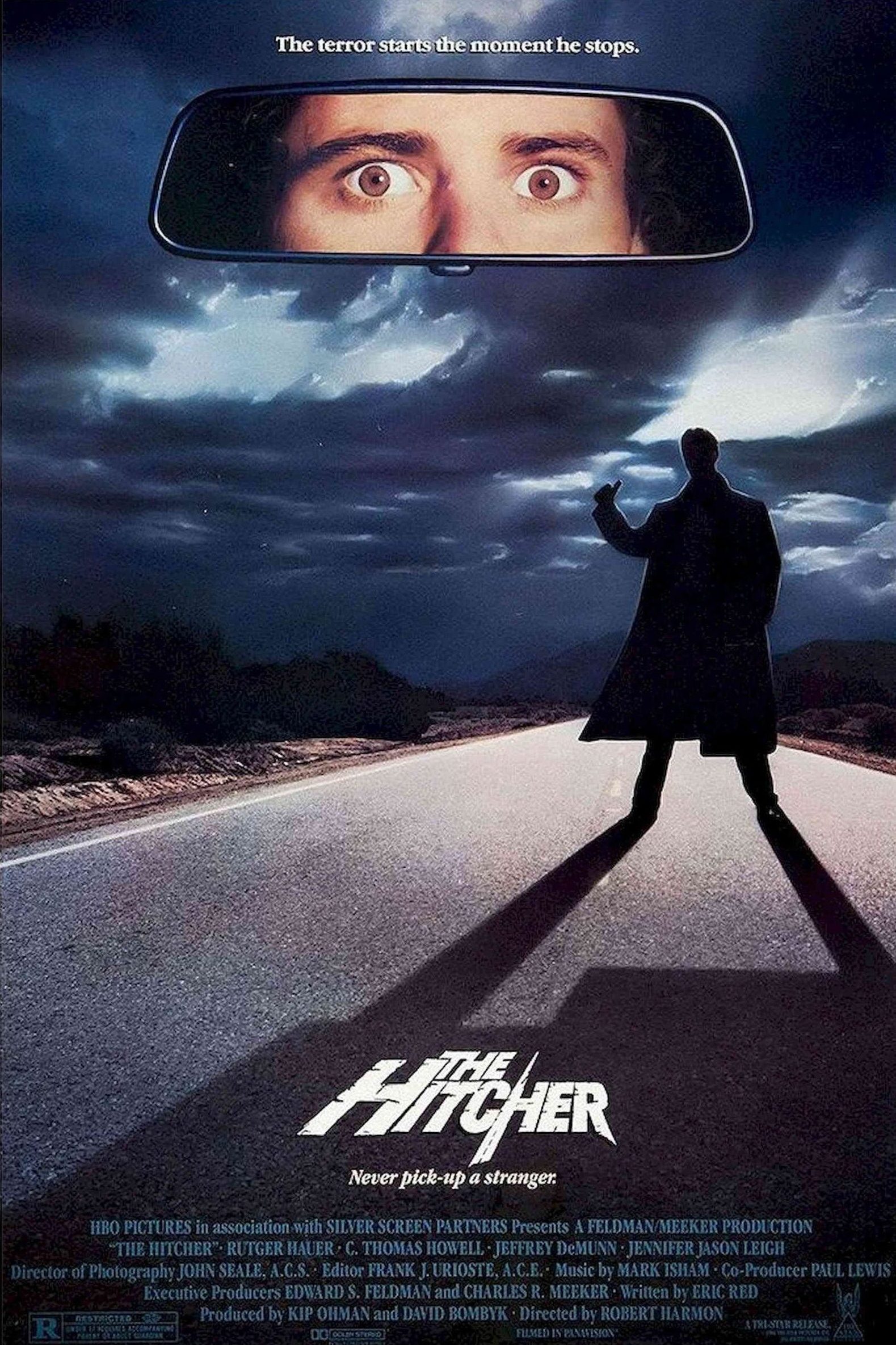
Oddly criticised for a lack of backstory, John Harmon’s cat and mouse thriller The Hitcher works on an almost supernatural level, Rutger Hauer’s played-to-the-hilt serial killer, John Ryder, dragging C. Thomas Howell’s naïve suburbanite Jim Halsey, and we the audience, to hell and back twice over.
The hilariously cynical 80s musical Little Shop of Horrors wows with an all-star cast of comedic greats, a fabulous musical score from Disney favourite Alan Menker, and an inspired turn from Motown legend Levi Stubbs as bombastic, bloodsucking alien Audrey II. The theatrical cut is plenty dark, but the world-eating director’s cut takes the horror to the next level.
Far-out Frights
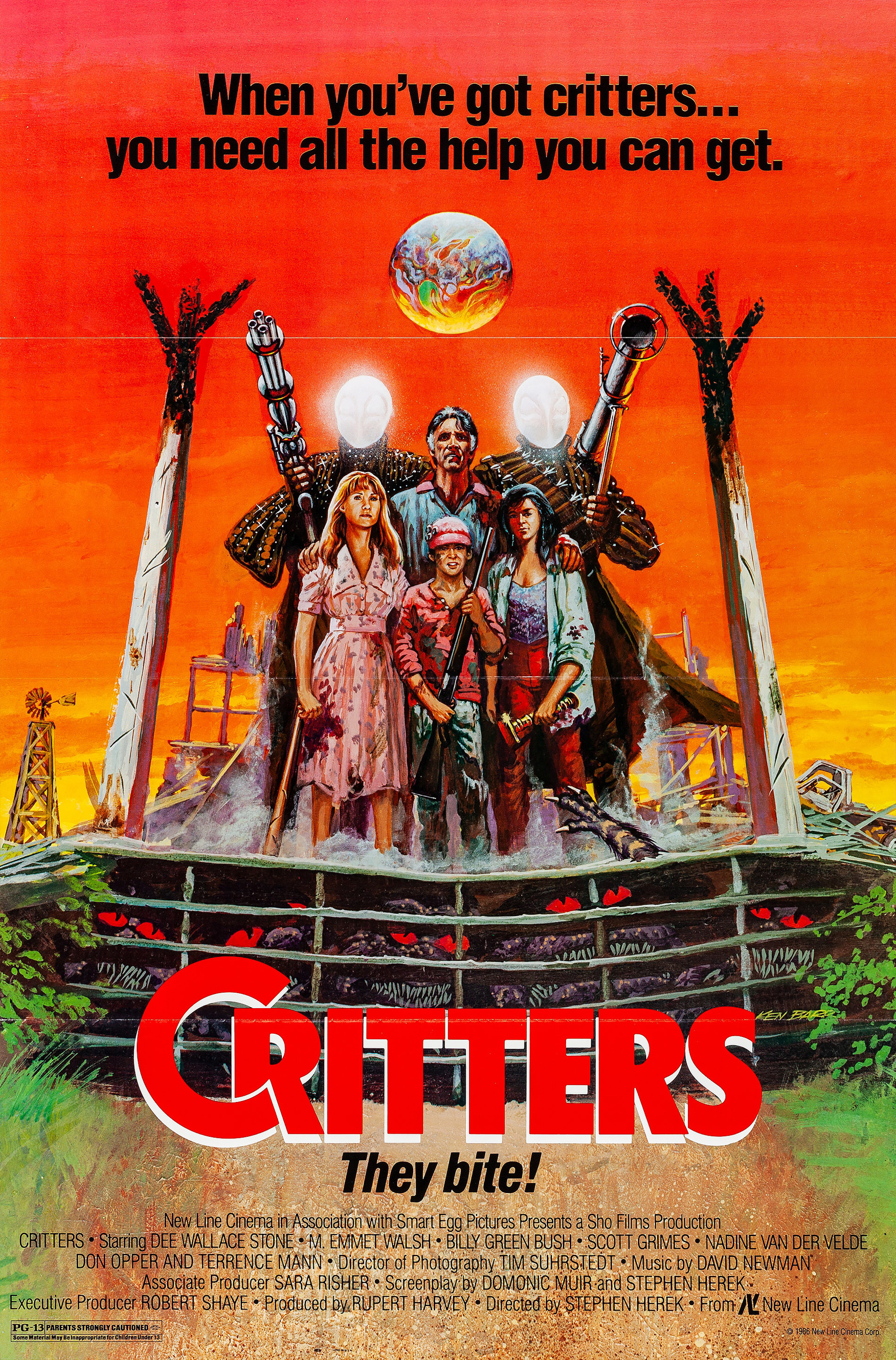
More than just a Gremlins rip-off (according to director Stephen Herek, the screenplay was written before Gremlins went into production), Critters is a delirious monster movie send-up with a pack of vicious antagonists that would leave Stripe cowering behind the Christmas tree. Riotously funny and surprisingly dark.
Stuart Gordon’s Lovecraftian tale of an obsessive scientist in search of a parallel universe, From Beyond, is as mad and as gory as you’d expect.
Another 80s horror that’s deeply in love with the 50s, Fred Dekker’s pulpy, effects heavy delight Night of the Creeps, takes its cue from the drive-in, B-movie classics of the era, the noirish and endlessly watchable Tom Atkins as smooth as silk among the alien brain slug antics.



1987
Hellraiser (Dir. Clive Barker)
Prolific horror author Clive Barker’s impressive directorial debut Hellraiser remains his unquestioned peak as a filmmaker. Undeniably bleak from the outset, the movie challenges traditional notions of good and evil with the visually striking cenobites, a sadomasochistic rabble from the further reaches of experience whose duty is to bring unimaginable torture, described as ‘pleasure and pain, indivisible’, to those who seek it. It’s one thing to fear an irrational evil, but the kind that is preordained, reasoned and even logical is a much more unsettling prospect. Originally planned as a secondary character who would grow in prominence due to make-up difficulties that prevented other cast members from delivering their lines, Doug Bradley’s Pinhead would become one of the most notable horror icons of the era.
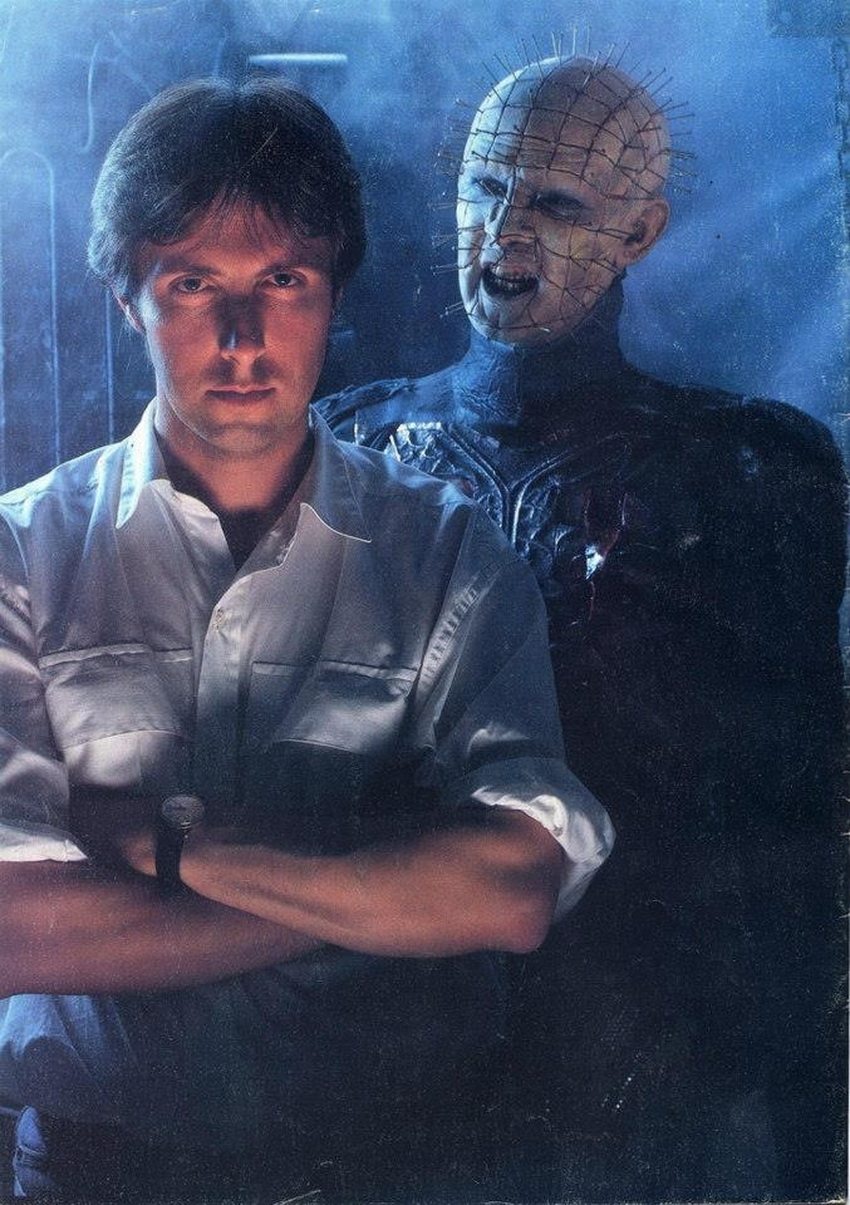
Despite the lasting appeal of the cenobites over countless sequels, Hellraiser‘s true wickedness comes from its human characters, namely Oliver Smith’s ‘Frank the Monster’, whose vindictive spirit and incessant self-regard puts our cast of malformed monsters to shame, and the hopelessly lovelorn Julia, played with fragile ambiguity by a masterful Claire Higgins. Julia goes from unimpressed housewife to lust-driven, hammer-wielding killer in a transformation so startling it almost outdoes that of Frank, whose attic-bound regeneration remains an absolutely incredible feat of practical effects wizardry given the movie’s budget. Come to daddy!
Honourable Mentions
Evil Dead 2 is considered the superior entry in the series by many, Sam Raimi sidestepping the original movie’s censorship furore by further concentrating on the comedic elements and transforming actor Bruce Campbell into a cult star.
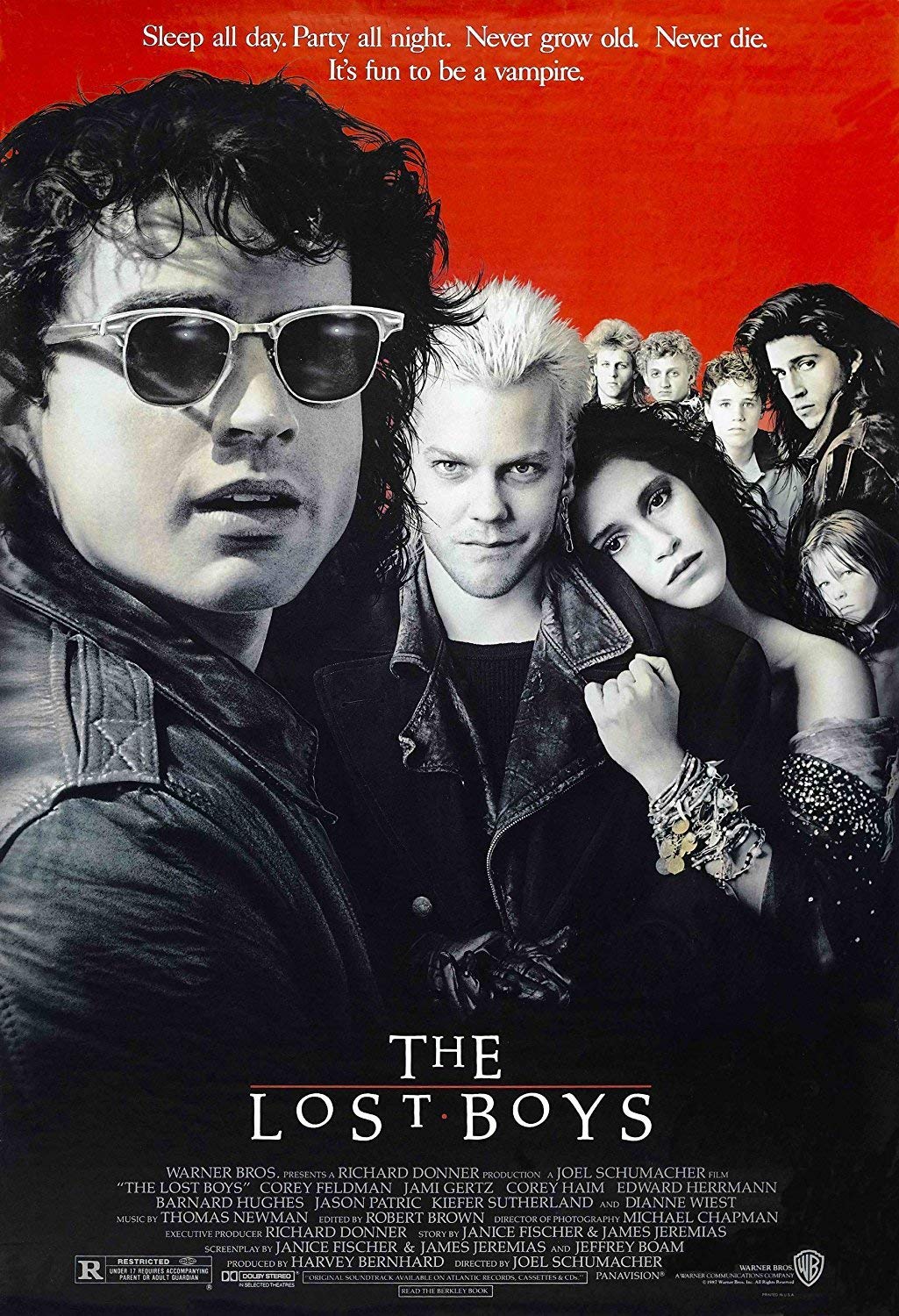
Joel Schumacher’s post-modern vampire smash The Lost Boys may not be as skilfully delivered as horror comedy contemporary Fright Night, but its MTV-inspired aesthetics and familiar cast of teen pinups scream 80s cool.
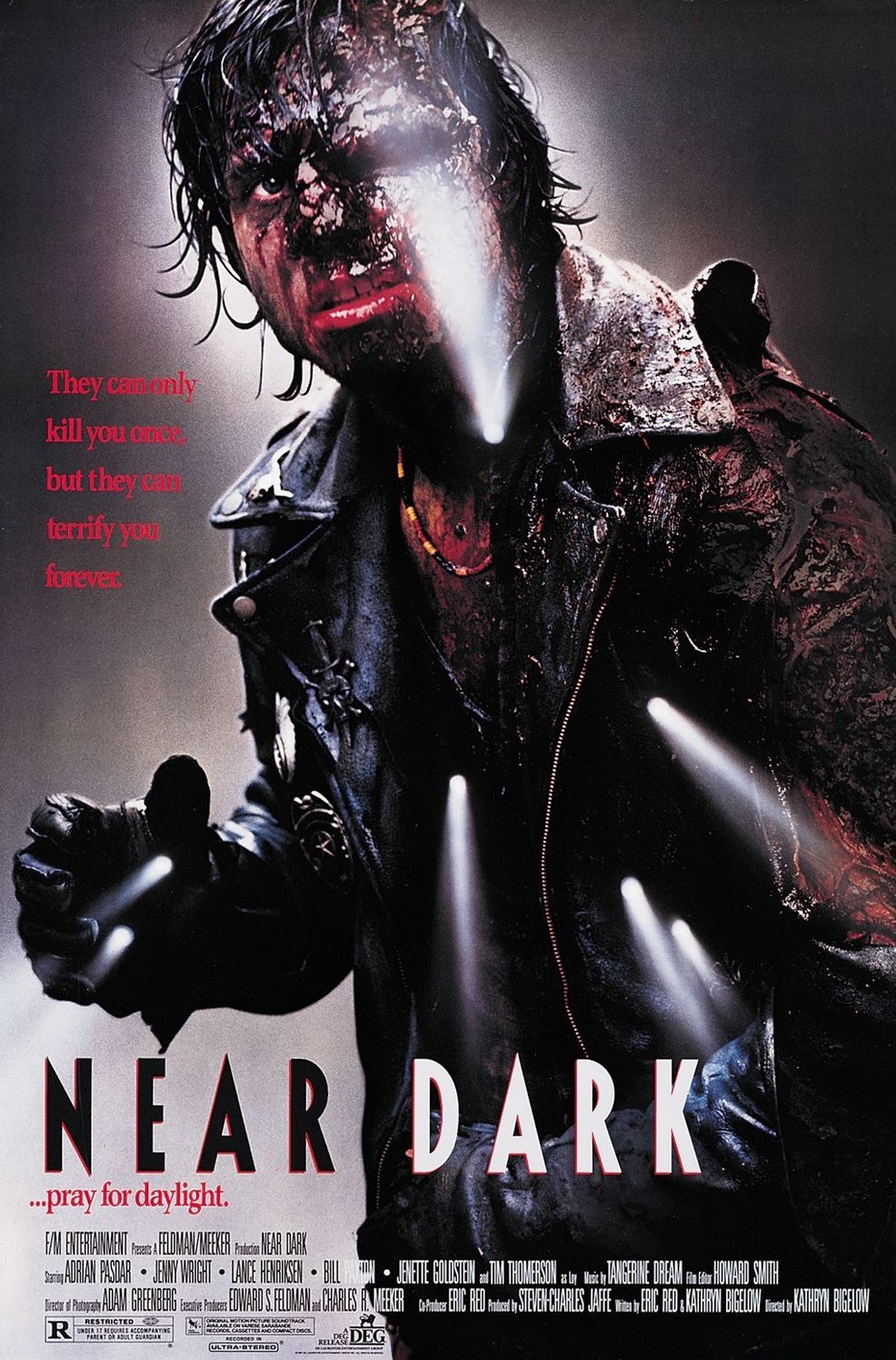
Stylish and bloodthirsty, future Oscar winner Kathryn Bigelow’s neo-western vampire classic Near Dark is a moody masterclass in genre subversion that still feels unique.
Far-out Frights
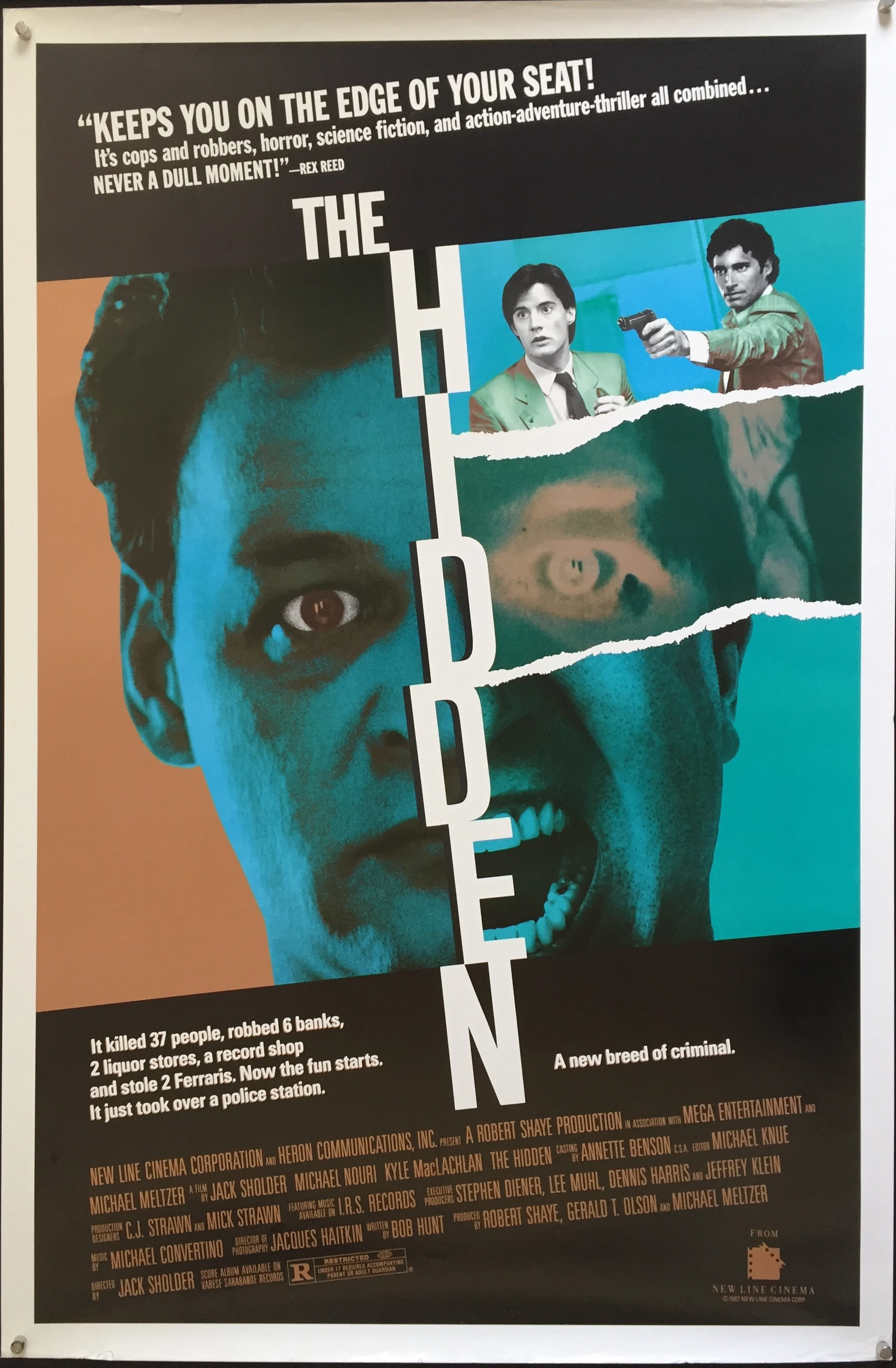
Body-swapping body horror-come-buddy cop science fiction action vehicle The Hidden is a vastly underappreciated romp with a truly insane twist that further sets it apart. The opening sequence is a blinder.
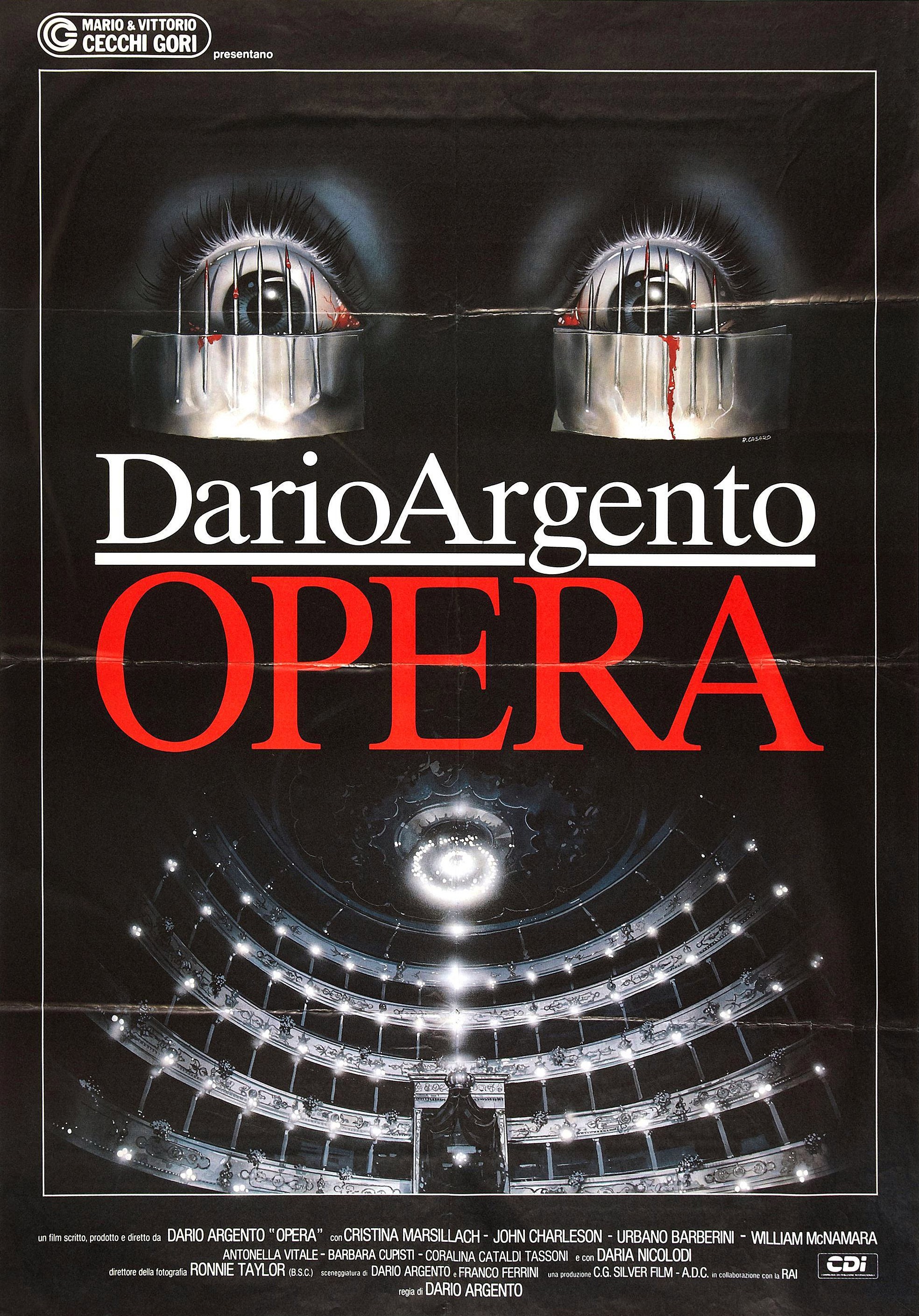
Dario Argento’s excruciating giallo about an opera singer’s troubles with an obsessed stalker, Opera, is a visual, visceral treat that will leave you squirming in discomfort, but like the movie’s protagonist you will not be able to close your eyes. A voyueristic classic.
Loosely based on the life of mass murderer John List, a long-time fugitive who killed his wife, mother, and three children at their home in Westfield, New Jersey, Joseph Ruben’s cheeky satire on Reaganite America, The Stepfather, benefits from an absolutely knock-out lead performance from Terry O’Quinn as the film’s titular menace.


1988
Child’s Play (Dir. Tom Holland)
The evil doll concept was nothing new in 1988, but Tom Holland’s Child’s Play felt fresh and anarchic in the face of the slasher’s censor-friendly demise, and while Fred Krueger was still all the rage with the release of the hugely successful A Nightmare on Elm Street Part 4: The Dream Master that same year, the series had already begun its descent into mystique-crushing self-parody, Jason Voorhees entering soap opera territory with bloodless debacle Friday the 13th Part VII: The New Blood. Rather than shifting tone to appease the censors, Child’s Play felt like it was in on the joke from the ground floor up, and Chucky was just the kind of modern antihero that audiences craved.
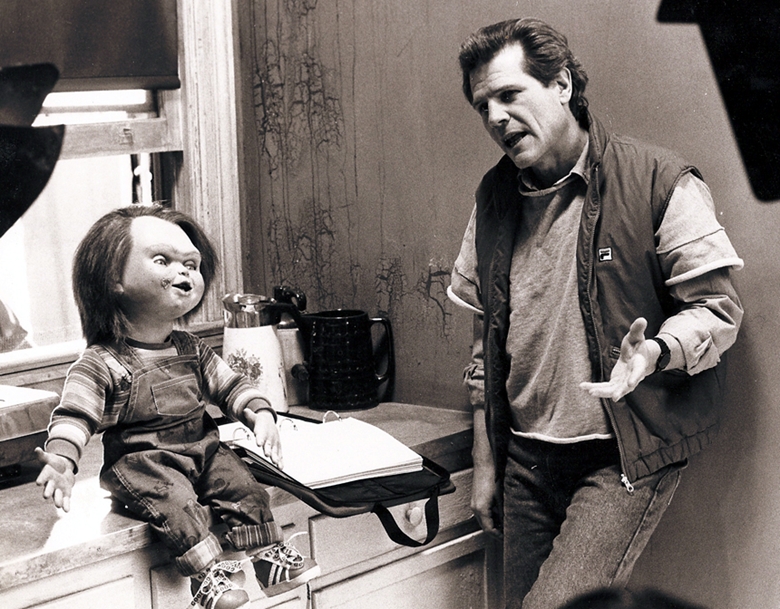
Child’s Play worked better than its contemporaries because the laughter was built into the basic concept. This was in no small part due to the delightful voice over skills of Brad Dourif, who attacks the role with a foul-mouthed devilishness that proves irresistible. There’s something wonderfully ironic about a murderous crook trapped inside a doll’s body, and serial killer Charles Lee Ray makes the most of his newfound powers, exploiting the one thing that gives him carte blanche in his quest to inhabit the body of a small boy: human ignorance. Nobody is ever going to believe that a freckle-faced plaything is behind the spate of murders plaguing Chicago, especially the understandably cynical detective Mike Norris (Chris Sarandon). One of the most satisfying elements of Child’s Play and its sequels is watching dismissive parents and cops toss a deviously inanimate Chucky around, convinced that he is nothing but a harmless hunk of plastic. It never ends well.
Honourable Mentions
Many feel that Chuck Russel’s action-packed monster movie The Blob is second only to The Thing as the decade’s most effectively delivered red scare reboot. The practical effects, which are inventive and bafflingly authentic, are arguably even better.
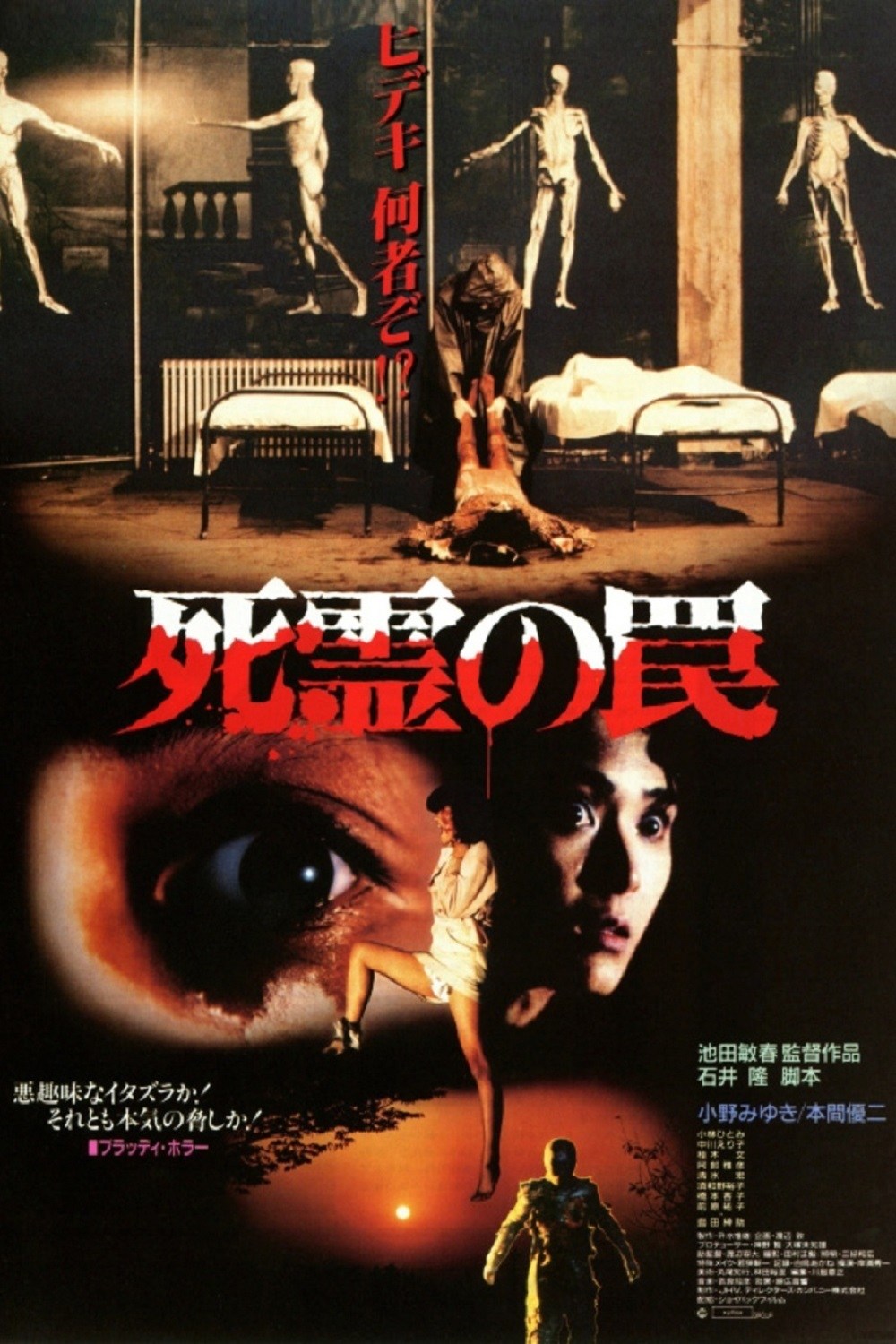
Japanese extreme cinema pulls no punches, and Toshiharu Ikeda’s twisted horror Evil Dead Trap, which follows a doomed TV crew in search of the makers of a snuff tape, is as perverted as it gets, proving something of a torture porn innovator.
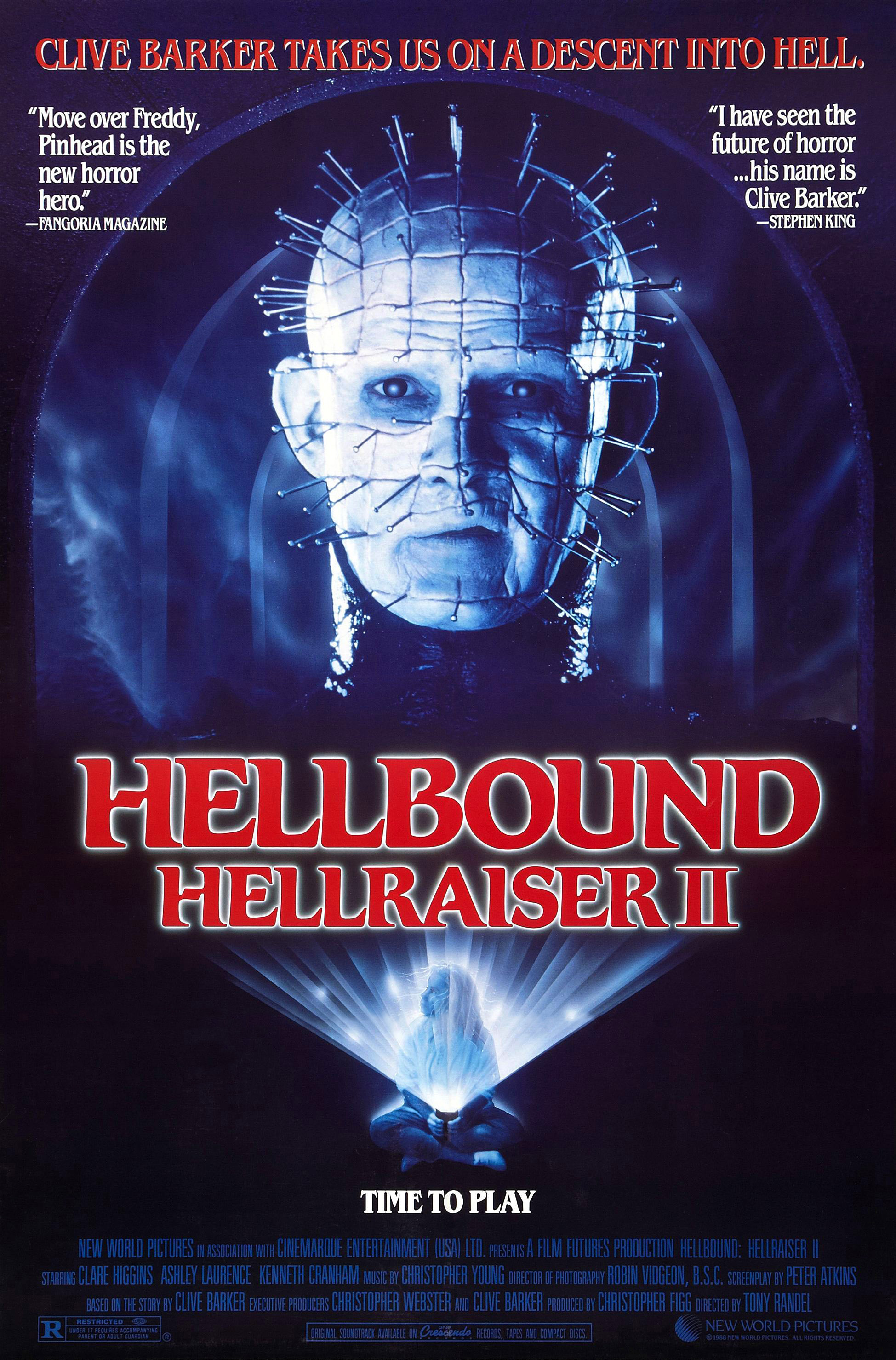
Hellbound: Hellraiser II may not live up to Clive Barker’s more grounded and comparatively suggestive Hellraiser, but visually it can be fascinating, a trip into the further reaches of experience and then some.
Far-out Frights
Frank Henenlotter’s hilarious, often dark and desperate tale of symbiosis, Brain Damage, tackles the grimy lows of drug addiction with vivid, hypnotic visuals that belie its low budget. Parasitic alien, Aylmer, who enslaves humans with its psychoactive juice, really deserved a franchise of its own.
Dead Heat is the greatest buddy cop/zombie movie crossover of all time, and to my knowledge the only one. That’s not a knock on director Mark Goldblatt’s deliriously silly horror comedy, which features a suavely self-aware Treat Williams on top form, and even a late appearance from the legendary Vincent Price.
So cherished among horror aficionados is Killer Klowns From Outer Space that it was plucked from relative obscurity and turned into a video game decades after its release. Bizarre, hilarious and genuinely disturbing, it’s a unique beast.



1989
Society (Dir. Brian Yunza)
1989 may not have been the best year for horror as the comparatively barren early 90s approached, but Brian Yunza’s smack in the mouth body horror, Society, a devilish commentary on Reaganite elitism that takes extreme measures in delivering its message, is one of the most underrated gems of the decade. Beginning like an episode of Beverly Hills 90210, the film takes a sinister turn when hormonal misfit, Bill Whitney, begins noticing strange occurrences around his luxury home. His family are weird, the whole damn community in fact, and when strange vibes evolve into incestuous sex cults, Bill has no choice but to get to the bottom of it. And get to the bottom of it he does. Quite literally.

Society isn’t subtle with its social satire, and to its credit. The fact that the set-up is so melodramatic and soapy only adds to the delirium when peculiar shadows become in your face pay-off. That pay-off is the movie’s final act, a visual grotesquery conjured up by Japanese practical effects legend Screaming Mad George, who had wowed mainstream audiences a year prior with his work on visual set-piece platform A Nightmare on Elm Street 4: The Dream Master. Society‘s budget was much humbler than Krueger’s commercial peak, but Society is more interesting, funnier, and the film’s infamous latex orgy easily matches anything cooked up for Krueger. It’s like a Dali painting for perverts come to life.
Honourable Mentions
Scott Spiegel’s ludicrous, late-to-the-party slasher Intruder strikes the perfect balance between self-aware humour and gratuitous violence. Some of those kills are absolutely excruciating in their uncut form.
The shocking death of a child, a terrifying rebirth, and a memorable turn from the late Fred Gwynne make Pet Sematary one of the most cherished, low-key Stephen King adaptations of the era.
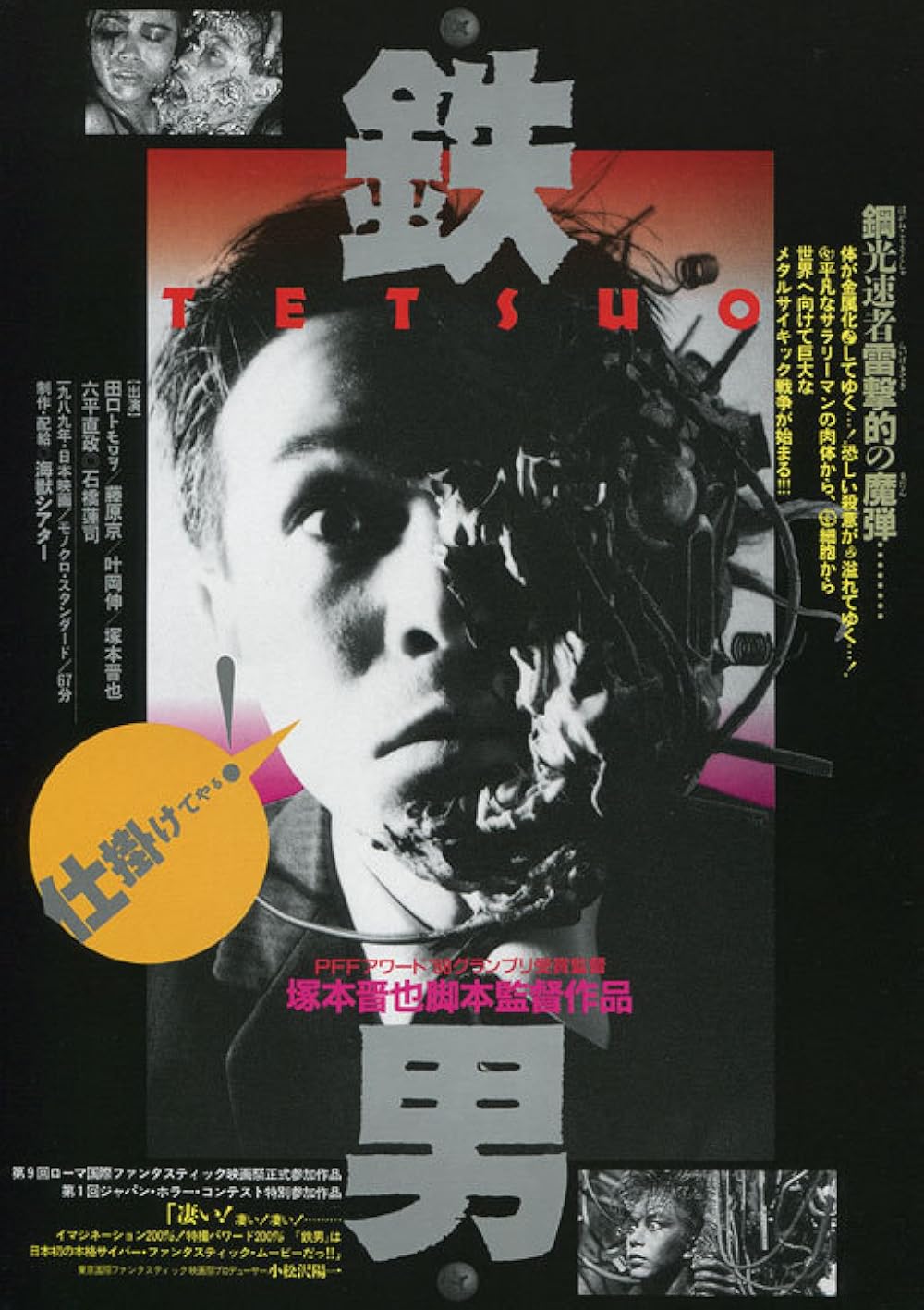
Shinya Tsukamoto’s striking body horror Tetsuo: The Iron Man, the story of a man who slowly and painfully transforms into a metal/flesh hybrid, hits like a life-altering piece of performance art. Truly bizarre in the best possible way.
Far-out Frights
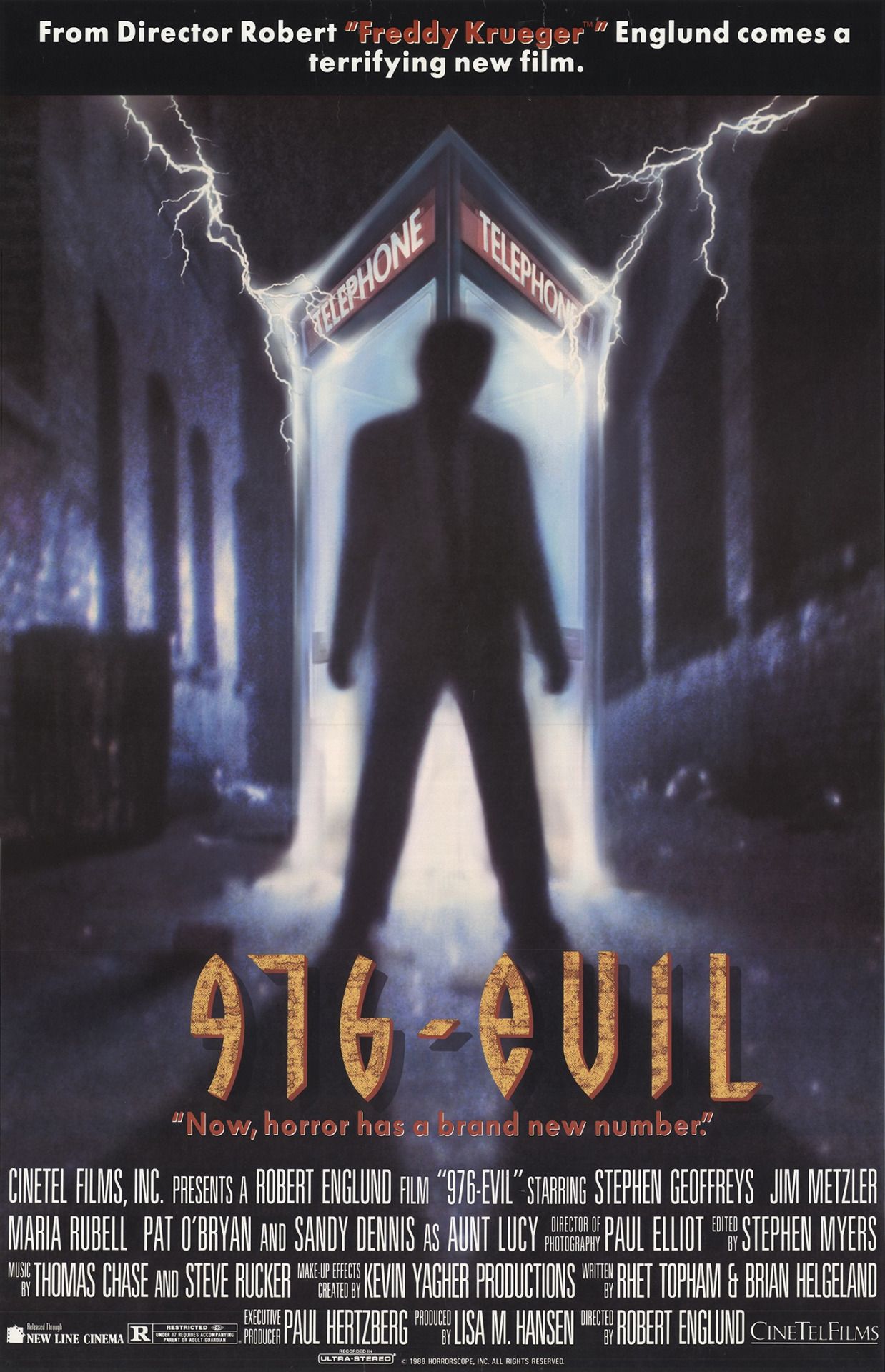
Fred Krueger himself, Robert Englund, delivers a bizarre directorial debut with horror-through-appliances oddity 976-Evil, which stars an equally unhinged Stephen Geoffreys as a bullied loser beset on devil-sent retribution.
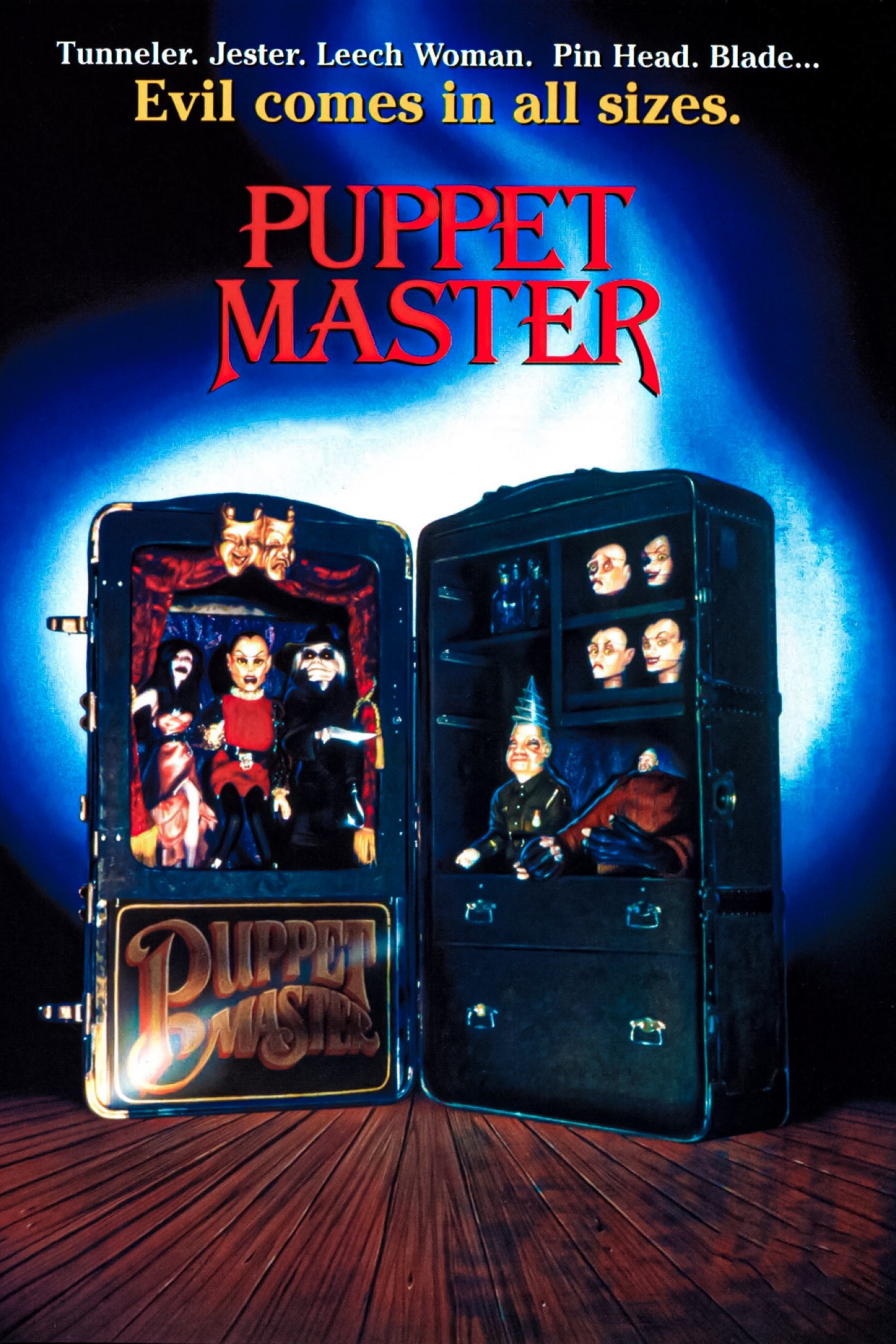
Charles Band’s cult production company Full Moon Pictures struck an artery with their ultra low-budget, killer dolls horror Puppet Master, a cheapo classic with a cast of monsters who would forge a low-key franchise that’s still got legs.
Wes Craven was wrongly accused of aping his own creation with Deadly Friend, a movie sabotaged by executives who longed to tap into the success of A Nightmare on Elm Street, but there can be no excuses for his 1989 effort Shocker, a flawed but intriguing tale involving a sentenced to death criminal with some Krueger-esque retributional powers.









 vhsrevival.com